After a Parent Has an Accident
Report the accident to the insurer right away, and the claim moves through the policy no matter whose name is on it or who drove.
The policy responds to the accident, not to who manages the paperwork
Car insurance follows the vehicle and the policy, not the family relationship behind it. If your parent is the named driver and caused the accident, their policy pays out according to its terms, and your role in handling bills or paperwork doesn't change that. What matters to the insurer is whose name is on the policy and who was behind the wheel, not who called to report the claim.
Liability works the same way it would for anyone else. If your parent is found at fault, their policy covers the other driver's damages up to its limits, and their own coverage responds to their vehicle and any injuries depending on what they carry. Your own insurance isn't involved unless your name is also on that policy or you were driving at the time.
What happens next depends heavily on the specifics of the policy and the claim. Some insurers send an adjuster quickly, others take longer depending on how busy they are or how clear fault is. Some states require a police report before a claim can move forward, others don't. Check your parent's policy documents or call the insurer directly to find out what's required where they live.
The accident itself doesn't automatically change the policy. Rates may rise at renewal, and the insurer may ask questions about the driver's history, but nothing happens to the coverage in the moment beyond the claim being opened. What happens longer term, including whether the insurer wants updated medical or vision information, varies by company and by state, so that's worth asking about directly once the immediate claim is settled.

What actually needs to happen right after the accident
- Call the insurer that day Most policies require prompt notice, and waiting can complicate the claim. Call the number on the insurance card or app as soon as everyone is safe.
- Get the police report A report often speeds up the claim and settles disputed facts about fault. Ask the responding officer how to request a copy, since the process varies by location.
- Don't admit fault at the scene What gets said right after a crash can affect how the claim is handled later. Stick to facts when talking to the other driver or the police.
- Ask about a rental or loaner Many policies include this, but not all, and limits vary by plan. Check the policy or ask the claims rep directly instead of assuming it's included.
- Watch for a non-renewal notice One accident usually just raises the rate at renewal, but a serious or repeated incident can lead the insurer to not renew. Read any renewal notice closely instead of assuming the policy continues automatically.
Will this accident mean your parent has to stop driving?
Not by itself. An accident affects the insurance policy and possibly the rate, but it doesn't trigger any automatic review of whether someone can keep their license. That decision involves the state's licensing agency, not the insurance company, and usually only comes up if there's a pattern of accidents, a citation tied to a physical or cognitive issue, or someone formally reports a concern.
If you're worried the accident reflects a real decline in driving ability, that's a separate conversation from the claim itself. It's worth having honestly, but don't let the insurance process rush it. Handle the claim first, then take your time figuring out whether driving should continue, ideally with input from your parent, their doctor, and anyone else involved in their care.
Once the claim is moving, compare quotes to find coverage that fits what your parent needs next.

A fender bender in a parking lot
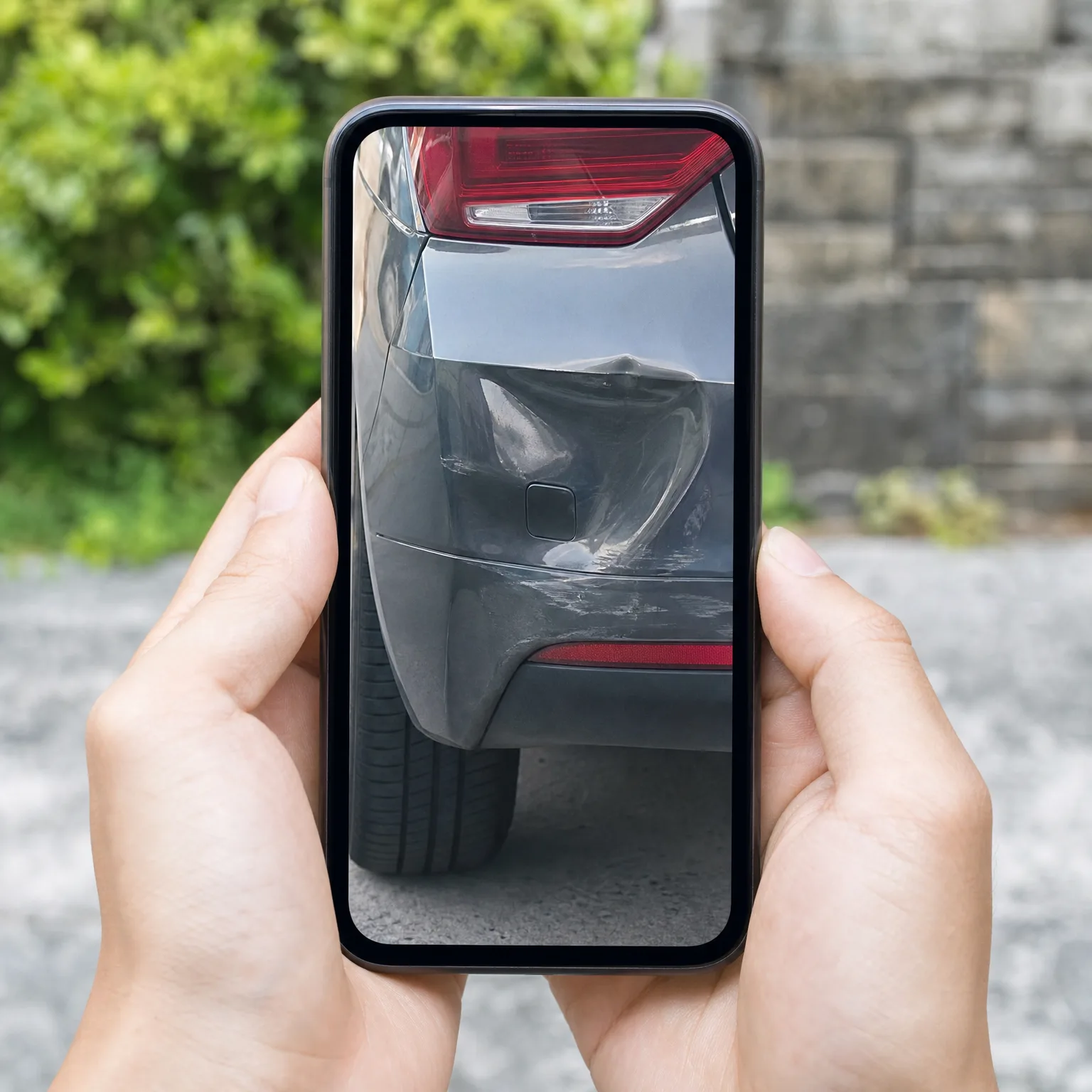
Your father backs into another car at the grocery store. No one is hurt, but the other driver wants to file a claim. You weren't there, but he calls you right after it happens because he's not sure what to do. You tell him to exchange insurance information with the other driver, take photos if he can, and not to say it was his fault, just to describe what happened.
That evening you call his insurer together, report the accident, and get a claim number. The company asks for photos and a short statement, and because it's a low-speed parking lot incident, no police report is needed in his state. The claim settles within a couple weeks, the other driver's car gets repaired, and his rate goes up some at renewal. Nothing else changes immediately, but the incident gives you an opening to talk with him, calmly, about how his driving has been lately.
Does my name need to be on my parent's policy to help with a claim?
No, you can call on their behalf as long as you have the policy number and their permission, and many insurers will speak with an adult child handling a parent's affairs. If you want ongoing authority to manage the account, ask the insurer about adding yourself as an authorized contact, which is different from being a named driver or policyholder.
Can I be held responsible if my parent causes an accident?
Generally no, unless you were driving, your name is on the policy, or you co-signed something that makes you liable. Liability follows the driver and the policyholder. If you're concerned about this, ask the insurer directly how the policy is structured and whether your name appears on it anywhere.
What happens to the insurance if my parent stops driving after the accident?
The policy can usually be reduced, paused, or cancelled depending on the insurer and whether the car is sold or kept. Some companies offer reduced rates for a parked, unused vehicle. Call the insurer to ask what options exist, since this varies by company and isn't automatic.