
Are You Covered When Driving Someone Elses Car
Usually yes, the car's own insurance covers you first, but what happens next depends on whose name is on which policy.
Coverage follows the car, then fills in from there
Car insurance is mostly attached to the vehicle, not the driver. If you're behind the wheel of your parent's car with their permission, their policy is the first one that responds if there's an accident. This is true whether you drive it once a month or every week while helping them out.
That permission matters more than people realize. As long as your parent said yes to you driving, even casually, you're what insurers call a permissive user. Their liability coverage extends to you the same way it would to them. If they didn't know you were taking the car, or you're using it in a way they wouldn't approve of, that protection gets shakier.
Where it gets more complicated is when the damage or injury costs more than your parent's policy covers. At that point, your own insurance can sometimes step in as a second layer, particularly the liability or umbrella portion of your policy. This is why it matters that you still carry your own coverage even if you rarely drive your own car anymore.
The other variable is how often you're actually driving that car. If it's occasional, permissive use typically holds up fine. But if you're driving it regularly, some insurers expect your parent to list you as a household driver on their policy, and skipping that step can cause problems with a claim later. This is one of the places where it pays to call the insurer directly and describe your actual situation, rather than guessing.
Should your parent add you to their policy as a listed driver?
If you're driving their car regularly, meaning weekly or as part of a routine like taking them to appointments, yes. Insurers generally want anyone who drives a car often to be listed on that car's policy. Leaving a regular driver off the policy can give the insurer a reason to question a claim later, even if nothing was done with bad intent.
If your driving is occasional and tied to specific situations, like covering a weekend here and there, permissive use usually covers it without needing to add you formally. The safest move is to describe your actual pattern of driving to your parent's insurer and ask them directly whether it changes anything. Rules on this vary by insurer, so don't assume the answer is the same everywhere.
The real risk isn't driving the car, it's driving it often without anyone checking that the policy still fits.
Once you know how your parent's coverage applies to you, compare quotes to match it to how the car is really used.
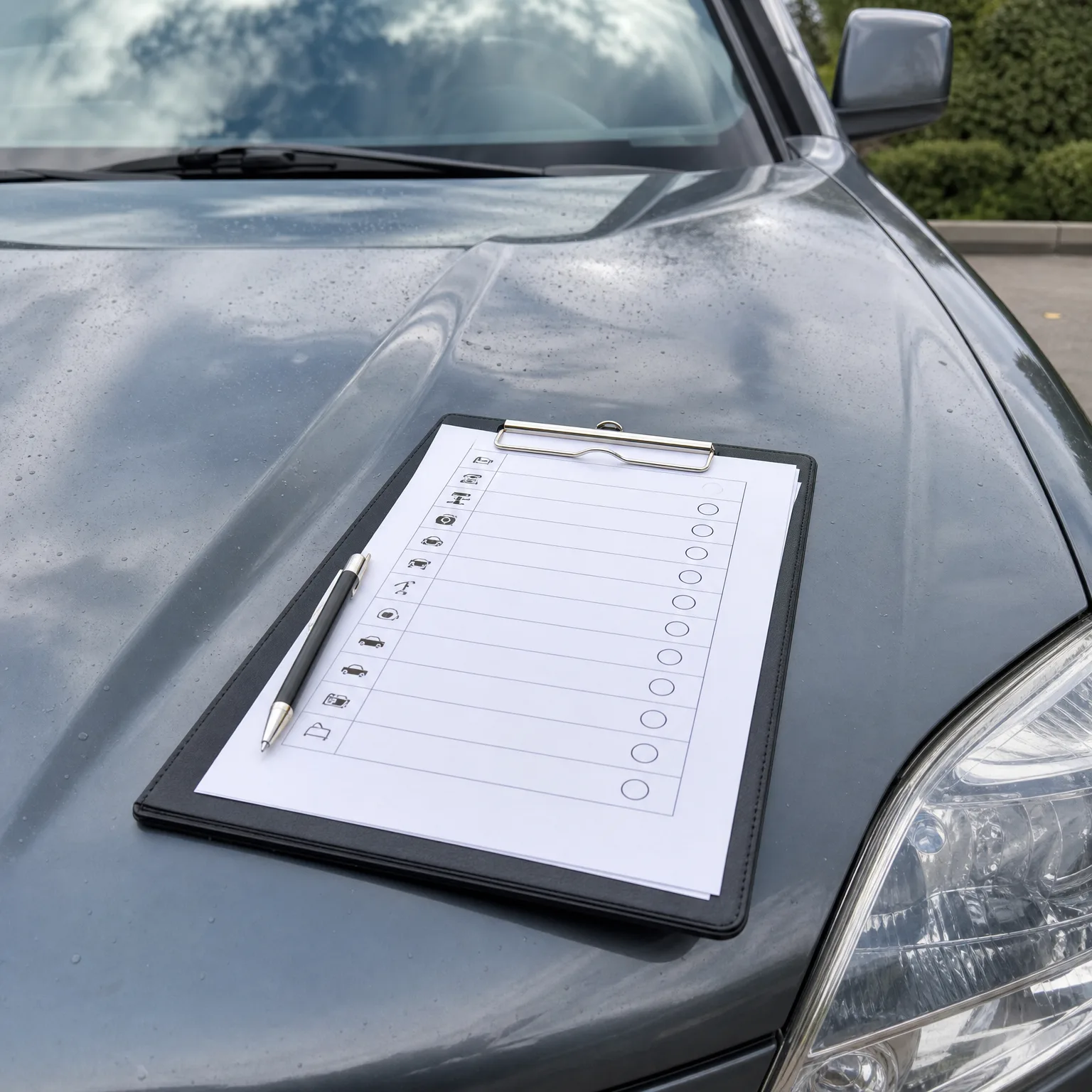
What to check before you drive your parent's car regularly
- Confirm permissive use Make sure your parent has clearly said you can drive the car. A verbal yes is usually enough, but it should be real and not assumed.
- Ask about listed drivers Call the insurer and describe how often you actually drive. They'll tell you if your parent needs to add you to the policy.
- Check your own liability limits Your own policy may act as backup coverage if a claim goes beyond your parent's limits. Make sure yours isn't bare minimum.
- Check the title and policy names If the car is titled only in your parent's name but you're the main driver, some insurers treat that differently. Ask directly.
- Revisit if habits change If your parent drives less or stops altogether, the policy needs to be reevaluated. Don't let it sit on autopilot.

When a daughter started driving her father's car twice a week
Her father was eighty-one and still technically drove, but after a small fender bender in a parking lot, she started taking the car for groceries and doctor visits herself, usually two or three times a week. She assumed his insurance just covered her since it was his car and she had his blessing.
When she called his insurer to ask a routine question about the policy, the agent asked how often she drove the car. Hearing twice a week, the agent recommended adding her as a listed driver rather than relying on permissive use, since that's meant for occasional situations. They made the change, her father's premium adjusted slightly, and she stopped worrying about whether a claim would be questioned later. It also gave her a clear role on the paperwork, which helped when she eventually took over the renewal entirely.
What happens if my parent stops driving but keeps the car insured?
The policy should be updated to reflect that someone else, likely you, is now the primary driver. Leaving it listed as if your parent still drives can misrepresent the real risk to the insurer. Call and explain the change, since this can actually lower the cost if the primary driver is lower risk, and it protects any future claim from being questioned.
Can I be held personally liable if my parent causes an accident?
Generally no, not simply because you manage their paperwork or live nearby. Liability typically falls on the driver and the policy on the car, not on family members handling bills. That changes only if you're a co-owner of the vehicle or have taken on a formal role like power of attorney tied to financial responsibility, so check your specific arrangement.
Does my parent need a separate policy if they move in with me?
Not necessarily, but it's worth reviewing together. If the car stays registered at their old address or garaged somewhere different, that can affect the policy. Moving in doesn't automatically require a new policy, but insurers want accurate information about where the car is kept and who drives it, so update both.