At What Stage Do Dementia Patients Stop Driving
There's no diagnosis stage that marks the moment. The decision comes from specific driving signs, not from the dementia label itself.
What actually tells you it's time to act
- Getting lost on familiar routes This is one of the clearest early signs because it shows memory and judgment are both affected. Start keeping notes on when and where it happens.
- New dents or scrapes on the car Small, unexplained damage often means close calls your parent hasn't mentioned or doesn't remember. Check the car itself every few weeks, not just their account of things.
- A doctor's opinion on driving Ask the physician directly about driving safety, since they may not bring it up unprompted. Many states let doctors report unsafe drivers to the DMV, so ask how that works where your parent lives.
- A formal driving evaluation Occupational therapists and some DMVs offer assessments built specifically for cognitive decline, not just vision and reflexes. This gives you an outside, objective answer instead of a family guess.
- Your own gut as a passenger If riding with your parent makes you tense or afraid, trust that. It usually means your mind has already picked up on problems before you've named them.
What if my parent refuses to stop driving?
This happens often, and it rarely gets resolved through argument alone. Losing the ability to drive feels like losing independence, so resistance is really about fear, not stubbornness.
Bring in outside authority instead of relying only on family pressure. A doctor's written recommendation, a formal driving evaluation, or a DMV review carries more weight than a son or daughter's opinion, because it removes the sense that you're making a unilateral call.
If your parent still won't stop and you believe they're unsafe, some families take practical steps like controlling access to the car keys or the vehicle itself. Check your state's rules on reporting an unsafe driver, since some let doctors or family members start that process.
Once you know whether your parent should still be driving, compare quotes that match their actual coverage needs.
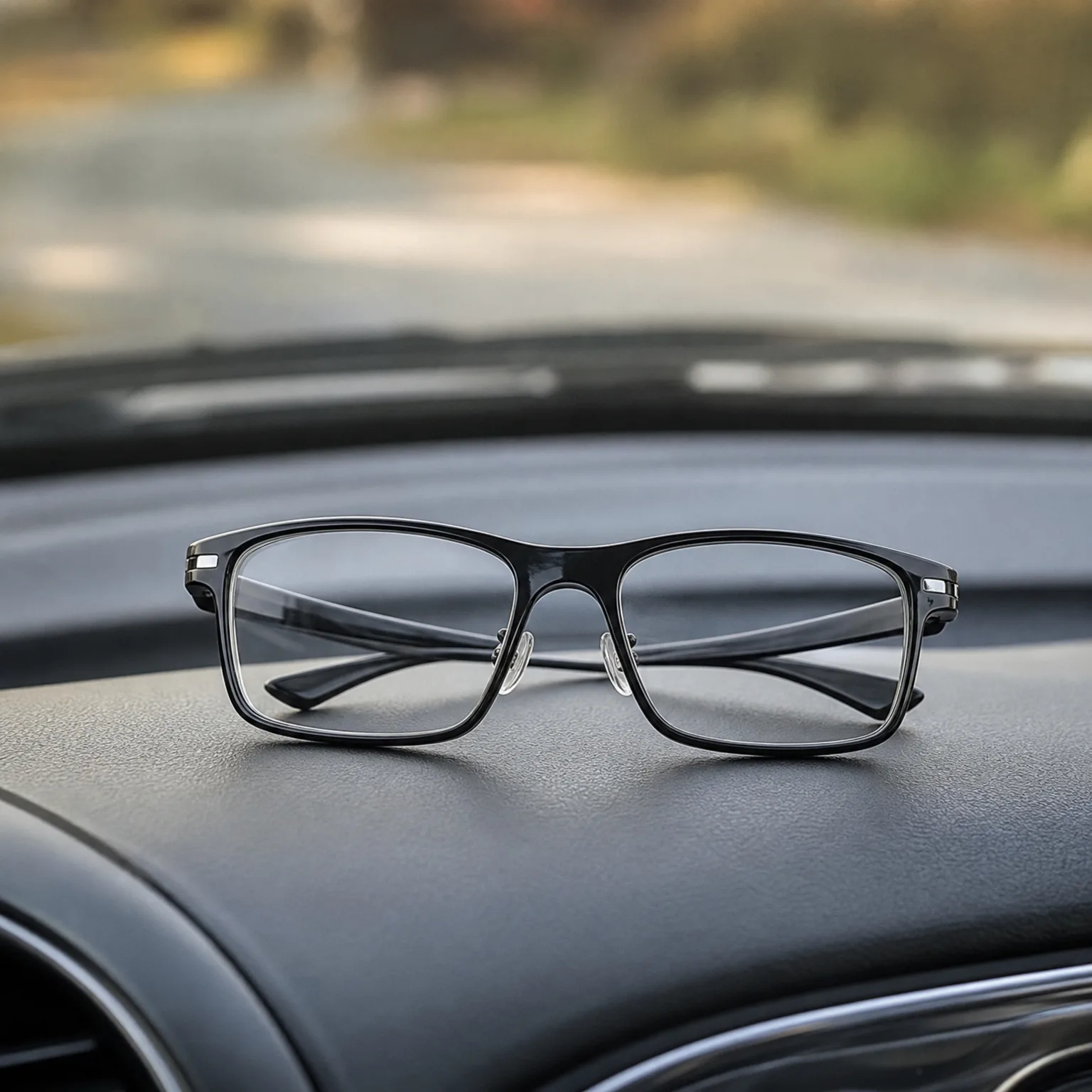
When the car stayed in the garage before the keys came up
One reader noticed her father had stopped volunteering to drive to church, something he'd done for decades. When she asked, he admitted the highway signs had started confusing him. She didn't push him to quit immediately. Instead she arranged a driving evaluation through his doctor, framing it as a checkup rather than a verdict.
The evaluation showed his reaction time and route memory had both declined enough to be unsafe, especially on unfamiliar roads. Rather than taking the car away entirely, they agreed he'd stop driving on highways and after dark first, then stopped altogether within a couple months once a second evaluation showed further decline. Because she'd stayed on the policy conversation the whole time, switching him to a non-driver listing and later removing the car from coverage was simple. The gradual approach meant he felt involved in the decision instead of stripped of it.
The diagnosis isn't the stage that matters. The first real sign of unsafe driving is.
Do I need to tell the insurance company my parent has dementia?
No, a diagnosis alone doesn't need to be reported, since insurers care about driving ability and record, not medical labels. What matters is if their driving actually changes, like reduced mileage or no longer being the primary driver, which can affect the policy. Check with the insurer about how they classify an occasional or non-driver on the policy.
Can I remove my parent from the car insurance without taking the car away?
Yes, most insurers let you list a car with no listed driver or switch your parent to an excluded or non-driver status. This keeps the car insured for other family members while removing your parent's driving from the policy. Ask your insurer exactly what this status is called and what it requires.
Who is liable if my parent causes an accident after being told to stop driving?
Your parent and their policy are typically still liable, since insurance follows the car and the policyholder, not a family agreement. If you knew they were unsafe and did nothing, you could face separate liability questions depending on your state. Check your state's negligent entrustment laws if you have any role in controlling access to the car.