Can a Car Be Parked in My Driveway Without Insurance
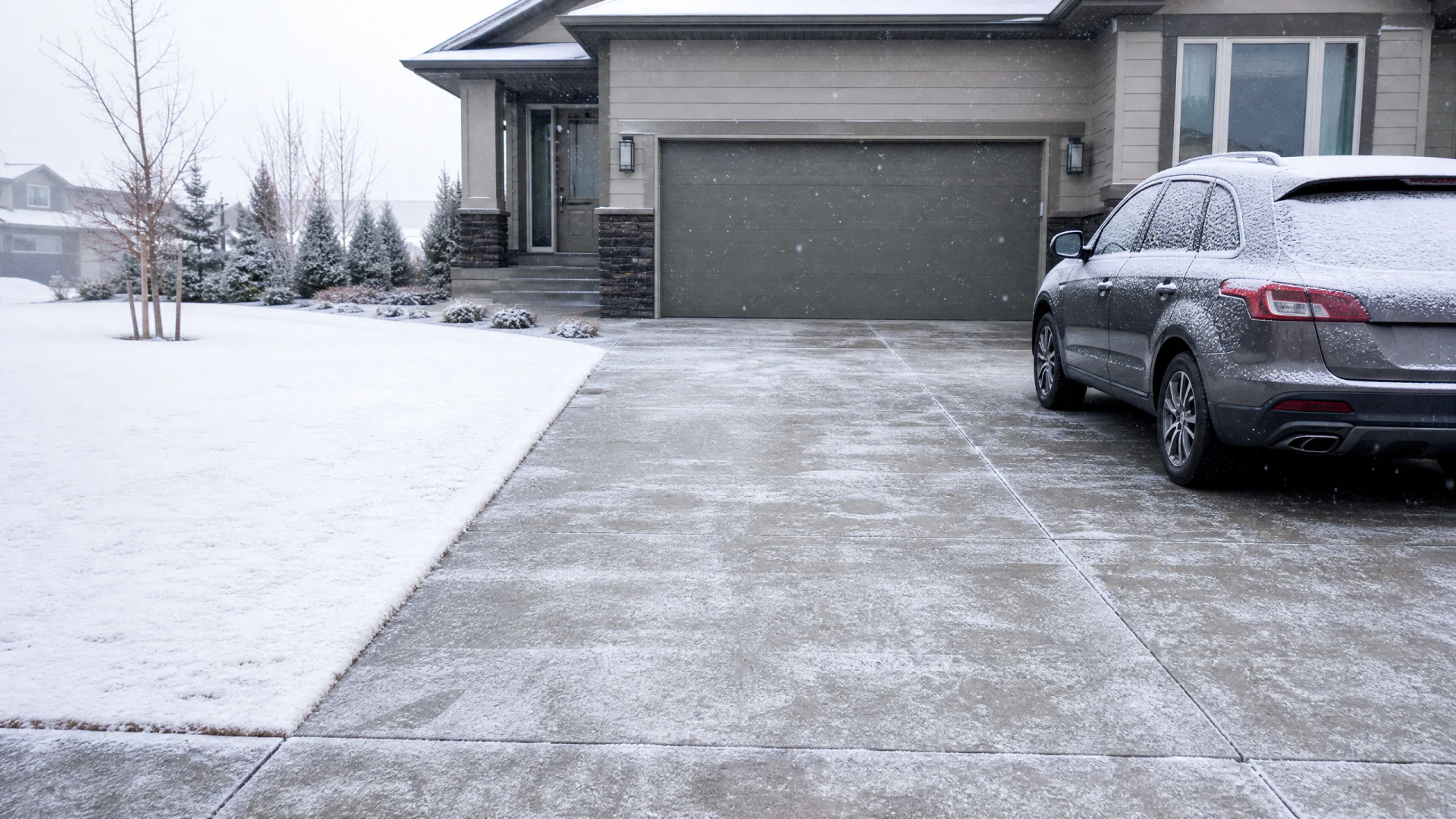
Yes, a car can legally sit in your driveway without insurance, as long as it isn't being driven or registered as active.
Insurance covers driving, not parking
Insurance exists to cover the risk of a car being driven, not the risk of a car existing. A parked, unused vehicle isn't interacting with other drivers or property, so most states don't force you to carry coverage on something that never leaves the driveway. What usually does require insurance is registration. Many states link active registration to proof of insurance, so if your parent's car is still registered and tagged, the state may expect a policy behind it even if the car never moves.
This is where it gets specific to where your parent lives. Some states let you file a form that suspends registration without canceling it outright, which keeps the car off the insurance requirement while preserving the plate for later. Others require you to surrender the plates entirely if there's no active policy. Check with your parent's state motor vehicle agency before you drop coverage, because driving an uninsured, still-registered car even once, even just to move it in the driveway, can trigger a lapse penalty or a fine.
Liability is the other piece. If the car is truly parked and never driven, there's no one to be liable to in the way car insurance usually means. But if someone backs into it, or it rolls, or a tree falls on it, you'd have no coverage to repair it or cover damage it causes. That's a real gap, not just a paperwork one.
The decision usually comes down to how temporary this is. If your parent might drive again soon, suspending registration and insurance for a short stretch is often cleaner than canceling everything. If the car is done for good, canceling the policy and surrendering plates closes the loop properly instead of leaving loose ends that can cause confusion later.
Should I keep some coverage on a parked car just in case?
If the car still has real value or sits somewhere it could be damaged or stolen, carrying a reduced, non-driving form of coverage is worth considering. Many insurers offer a version of coverage that protects against theft, fire, vandalism, or weather damage without covering driving at all, often at a lower cost than full coverage.
This matters most when the car isn't going anywhere for a while but still has worth, like if your parent might sell it, pass it to a grandchild, or start driving again after a health issue resolves. If the car is old, low in value, or heading to be sold or junked soon, skipping coverage entirely and just confirming the registration is properly suspended is usually the simpler path.
The real decision isn't about insurance, it's about what you're planning to do with the car next.
Once you know whether the car needs to stay insured or just registered, compare quotes for the path that fits.

What actually determines your next step
- Registration status If the car is still registered as active, your state may still expect proof of insurance. Check whether you can file for a formal registration suspension instead.
- How long it'll sit unused A short pause favors suspending both registration and insurance. A longer or permanent stop favors canceling the policy and surrendering plates.
- The car's value A car worth keeping safe from theft or damage may need a non-driving coverage option. A car with little value may not need anything beyond proper paperwork.
- Who might drive it next If your parent could resume driving, or someone else in the family might use the car, keeping the registration dormant instead of canceled saves you from restarting it later.
- State rules on lapses Letting insurance lapse while registration stays active can trigger fines or a penalty when you reinstate it. Confirm the correct order of steps with the state agency first.
When a parent stops driving but keeps the car
One reader's father had a stroke and wasn't going to drive again, but the family wasn't ready to sell his car right away. It sat in the driveway while they sorted out his finances and figured out if a grandchild might eventually want it. The daughter assumed she could just stop paying the insurance bill and leave the registration alone.
When she called the state motor vehicle office, she learned the registration was still active and technically required proof of insurance to stay valid. She filed a short form to suspend the registration instead of letting it lapse on its own, which stopped both the insurance requirement and the registration renewal notices. A few months later, when the family decided to sell the car, reactivating it briefly for the sale was simple because the registration had been paused correctly instead of left in limbo.