Can a Car Sit Idle for 2 Months
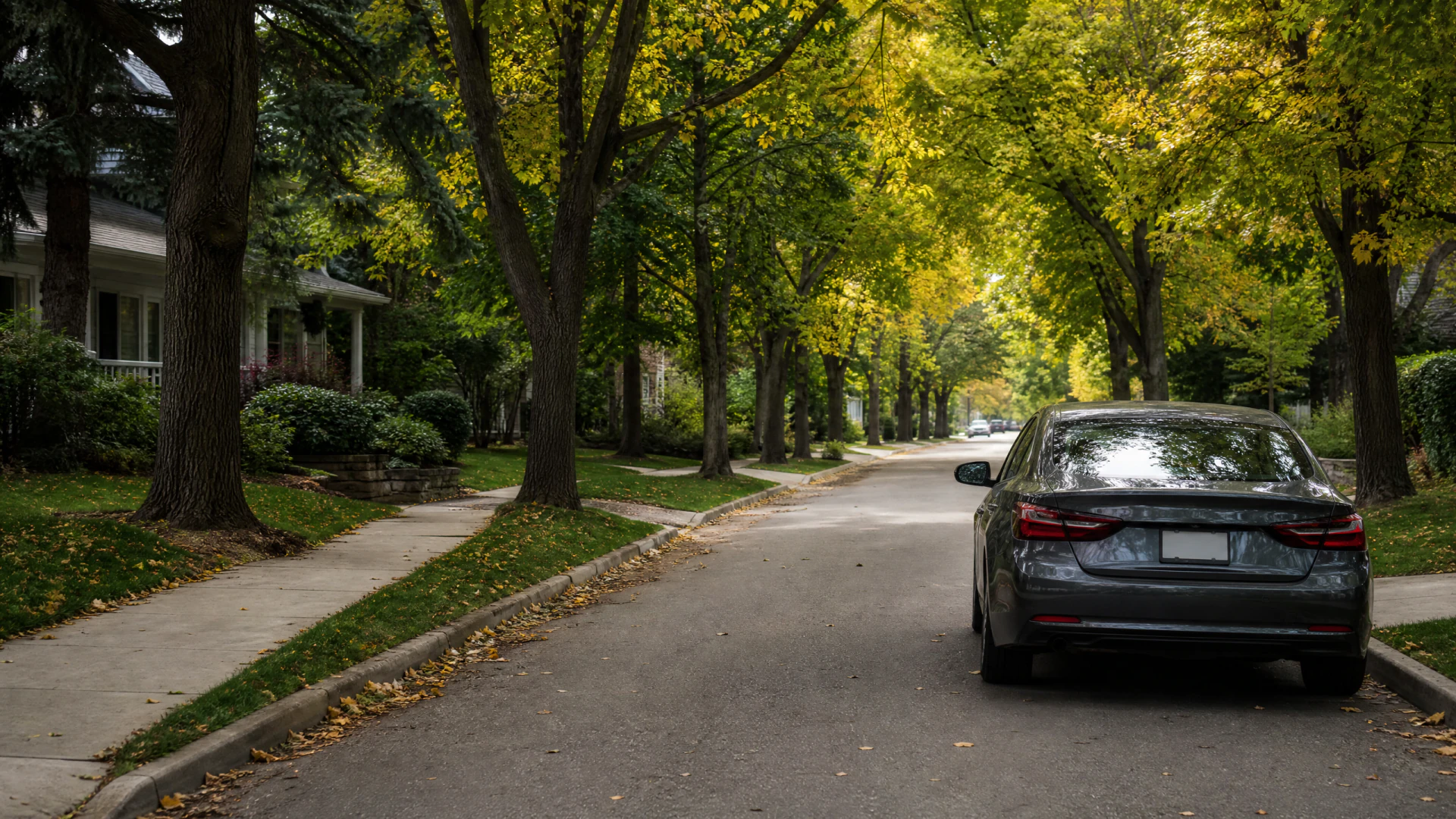
Yes, it can sit for two months, but you need to decide whether to keep full coverage or drop to a storage-only policy while it's parked.
What to settle before the car sits unused for two months
- Keep liability or drop it If the car won't be driven at all, you may be able to remove liability and keep only comprehensive coverage. Call the insurer before the car sits, not after.
- Check the lapse rule Some insurers cancel coverage automatically if a car isn't driven for a stretch of time. Ask directly whether two months triggers anything on the policy.
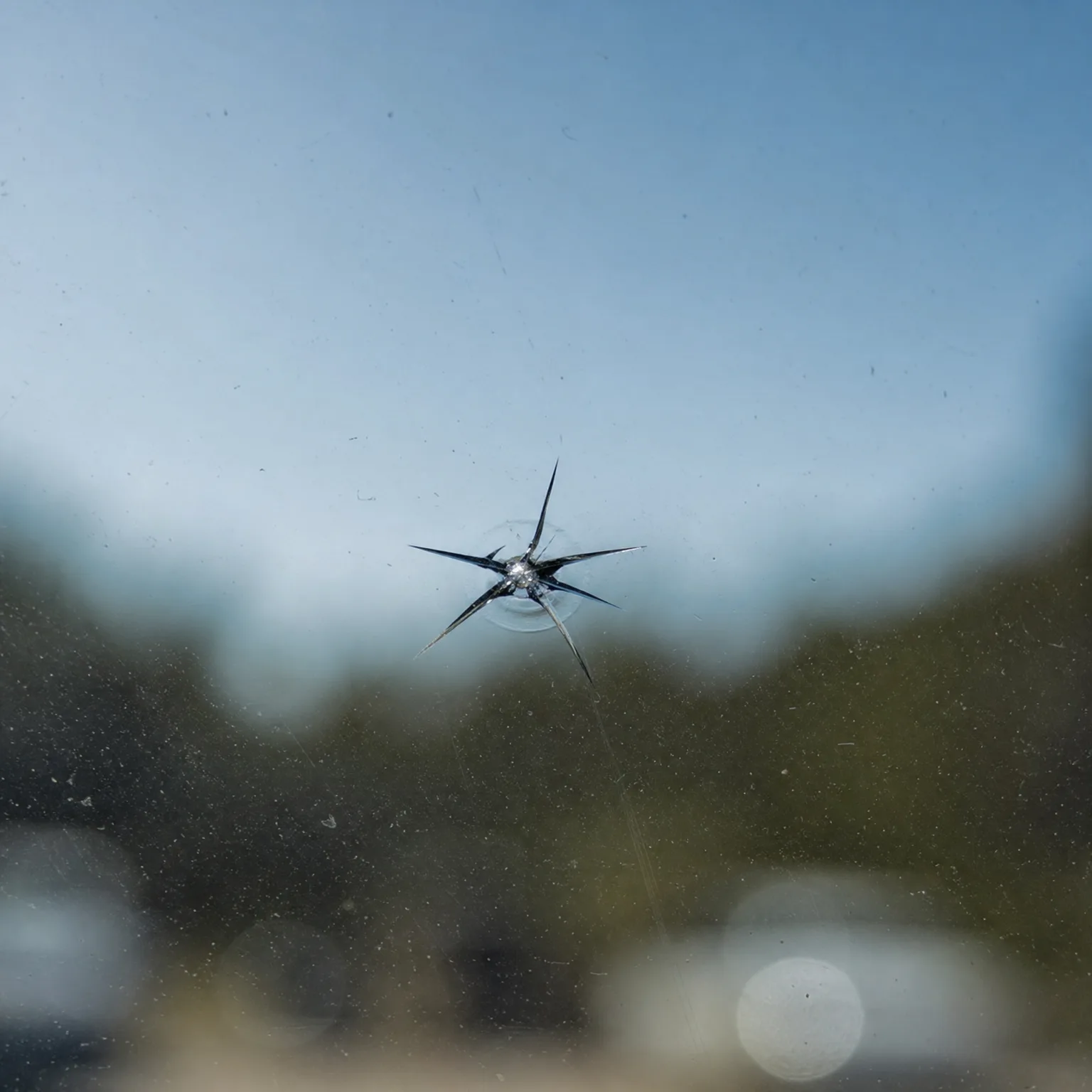
- Protect against sitting damage Theft, fire, weather and falling objects can still happen while the car sits still. Comprehensive coverage handles this, so don't drop it entirely.
- Battery and tires need attention Insurance won't cover a dead battery or flat-spotted tires from sitting too long. Have someone start the car periodically or use a maintainer.
- Tell insurer where it's parked Storage location can affect the policy, especially if the car moves from a driveway to a garage or a different address. Update this so a claim isn't denied over it.
Will my rate go up if I pause coverage for two months?
It depends on what you pause. Dropping liability while keeping comprehensive usually doesn't create a gap that insurers penalize, because the car is still insured, just for a narrower set of risks.
The real risk comes from letting the policy lapse entirely, meaning no coverage of any kind for a stretch of time. Insurers often see a lapse as a sign of higher risk, and that can raise rates when you go to reinstate full coverage later.
If you want to lower the cost during the two months without creating a lapse, ask the insurer specifically about a reduced or storage-only version of the policy. That keeps continuous coverage on record while still cutting the price, which protects both the car and your future rate.
Once you know whether to keep full coverage or switch to storage-only, compare quotes for those two months.
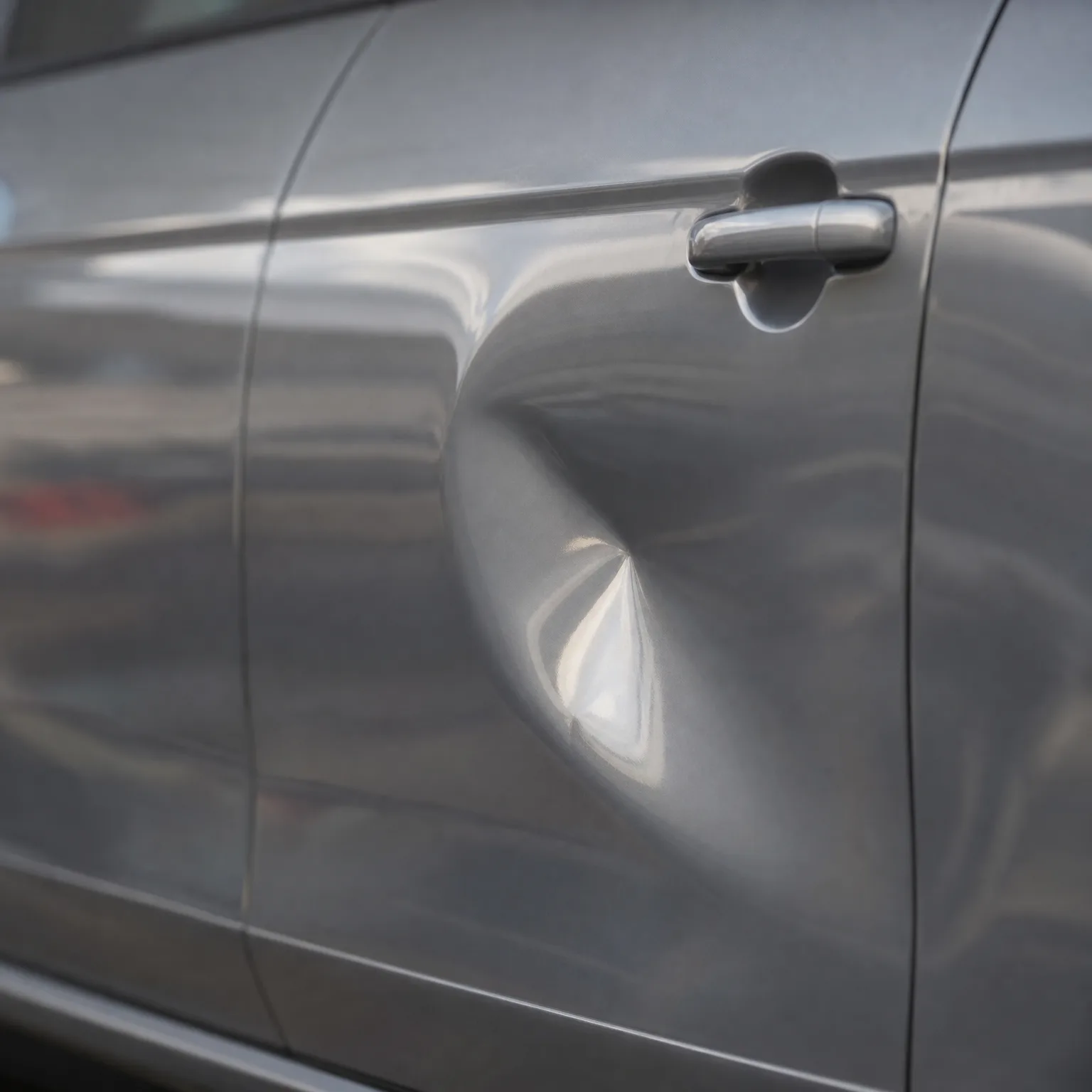
A parent's car sitting unused after they stop driving
Say your parent stops driving after a health scare, and the car sits in their driveway for two months while you figure out whether they'll drive again. You're not ready to sell it, because they might get medically cleared, but you don't want to keep paying full price for coverage that includes liability no one is using.
You call the insurer and ask about removing liability temporarily while keeping comprehensive, so the car is still protected from theft or weather damage. You also ask whether the policy has any rule about cars not being driven for a certain stretch, since you don't want a surprise cancellation. The insurer confirms the comprehensive-only option, and you also arrange for a neighbor to start the car every couple of weeks so the battery doesn't die. Two months later, your parent decides not to drive again, and you move to canceling the policy and selling the car, having never had a lapse or a surprise bill in between.
Why insurers care about idle cars at all
Insurance is priced around risk, and risk doesn't disappear just because a car isn't moving. A parked car can still be stolen, vandalized, or damaged by weather, so insurers generally want some form of coverage in place even when no one is driving it. This is why dropping a policy completely, rather than scaling it back, is usually the riskier move for you.
Liability coverage specifically exists for when a car is driven and causes harm to someone else. If the car genuinely isn't moving, many insurers will let you remove that part and keep only the coverage for damage to the car itself. This is the logic behind storage or comprehensive-only policies, and it's why asking about this option directly tends to save money without creating a gap.
Where this gets inconsistent is in how insurers define idle. Some only care about whether the car is registered and parked on insured property, others ask whether it's driven at all during the policy period, and some have specific rules about reporting a change in use. This is exactly why you check with the insurer rather than assuming your situation matches someone else's.
The other piece insurers don't cover is mechanical neglect. A car that sits for two months can develop a dead battery, flat-spotted tires, or fuel system issues, and no insurance policy treats these as a claim. That part is on you to manage, separate from the coverage decision.
Do I need to tell the DMV if the car isn't being driven?
It depends on your state, since registration rules vary on whether a parked, unused car still needs to be registered and insured. Some states allow a non-operation filing that pauses registration requirements without needing insurance at all. Check with your state's motor vehicle agency directly, since this changes what you need from the insurer too.
Can I remove my parent from the policy if they stop driving?
Yes, if they're not driving at all, you can usually remove them as a listed driver while keeping the car insured under your name or another household member. Check whether the insurer requires proof they're not driving, and whether removing them changes the rate for remaining drivers on the policy.
What happens to a claim if the car was sitting unused when damaged?
It still gets covered under comprehensive coverage if that part of the policy was active when the damage happened. The key fact the insurer checks is whether coverage was in place at the time, not whether the car was being driven. This is why keeping comprehensive active during idle periods matters even if liability is dropped.