Can I Use a Family Member Address for Car Insurance
You can only use a family member's address if that's genuinely where the car is kept and the driver lives, even part-time.
Insurers price the address where the car actually sleeps at night
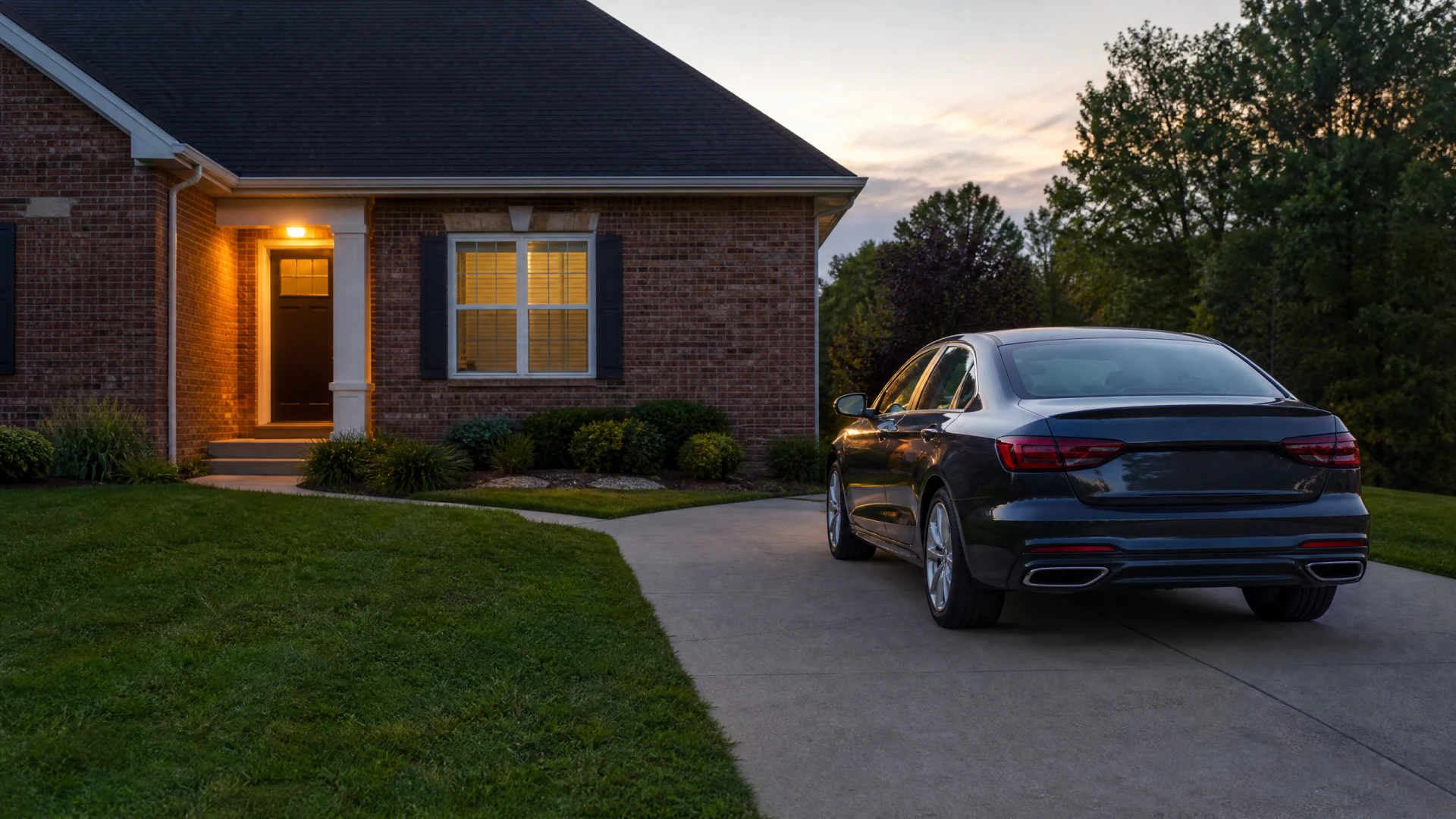
Car insurance is priced partly on location because where a car is parked overnight affects the odds of theft, vandalism, and accidents. The address on the policy is supposed to be the place the car is actually garaged, not a convenient mailing address. If your parent's car is garaged at your address because they moved in with you, or stays there several nights a week, listing your address is accurate. If the car and your parent both live at their own home and you're just handling the paperwork, the address should still be theirs.
Using an address where the car doesn't actually stay, just to get a different rate or because it's easier for you to manage the mail, is called rating address misrepresentation. Insurers check this more than people expect, through claims investigations, recorded mileage, and sometimes just asking questions after an accident. If a claim happens and the address turns out to be wrong, the insurer can deny the claim or cancel the policy entirely, right when your parent needs coverage most.
What's allowed does vary somewhat by insurer and by state, especially around how they define a primary address versus a garaging address for a secondary vehicle. Some insurers are fine with a parent's policy listing your address if they stay with you part of the year, as long as it's disclosed upfront. Others want a single, clear primary residence. Check directly with the insurer rather than guessing, since this is the kind of detail that only matters when something goes wrong.
The cleanest path is to tell the insurer the real situation, how often your parent is at each address, who drives the car, and let them sort out the correct rating. That protects the claim later and protects you from being the one who filled out the form wrong.

The short version
Use your address only if the car genuinely stays there most nights. If your parent still lives and keeps the car at their own home, their address stays on the policy even if you handle the bills. When it's unclear, call the insurer and describe the actual living and parking situation rather than guessing.

When a parent splits time between two homes
Say your father sold his house and now spends four nights a week at your place and three at his sister's, keeping his car with him wherever he stays. You're the one managing his insurance now, so you call to update the policy and aren't sure which address to list. Instead of picking one, you explain the actual pattern to the insurer, including where the car is parked most nights.
The insurer asks a few questions about where the car sleeps most often and rates the policy based on your address, since that's where it stays the majority of the time. They note the secondary address in the file in case it ever matters for a claim. A few months later your father has a minor accident near his sister's house, and because the policy reflects his real situation, the claim goes through without any dispute about where he actually lives. Nothing about the mismatch becomes a problem because nothing was hidden in the first place.
Once you know the right address, compare quotes using it and get your parent an accurate rate.

Using the address where the car actually stays
If you do
The policy reflects reality, so claims get paid without question and the rate matches the real risk. If your parent splits time between homes, the insurer can note that too. You've protected the thing that matters most, which is coverage holding up when it's needed.
If you don't
If the car doesn't actually stay at the listed address, a claim can trigger an investigation. The insurer may find the mismatch, deny the claim, or cancel the policy. Your parent could be left paying for an accident out of pocket at the exact moment they needed the policy to work.
What actually determines the right address
- Where the car is parked The address should match where the car spends most nights, not where mail goes. If your parent's car stays at their own home, that's the address, even if you pay the bill.
- Part-time living situations If your parent splits time between your home and another, tell the insurer the actual pattern. Many will rate based on the majority address and note the rest.
- Who's named on the policy Managing the paperwork doesn't mean the policy should be in your name or at your address. Keep your parent as the named insured if they're still the primary driver.
- What happens at claim time A claims adjuster can check where the car was actually kept after an accident. Mismatched addresses are often discovered then, not before.
- When to just ask the insurer If the living situation is genuinely mixed or changing, call and describe it plainly. Letting the insurer rate it correctly protects the claim later.