Can I Use Someone Else Address for Car Insurance
No, the address on the policy has to match where the car actually lives, not where it's convenient to say it lives.

What the address on a policy actually has to match
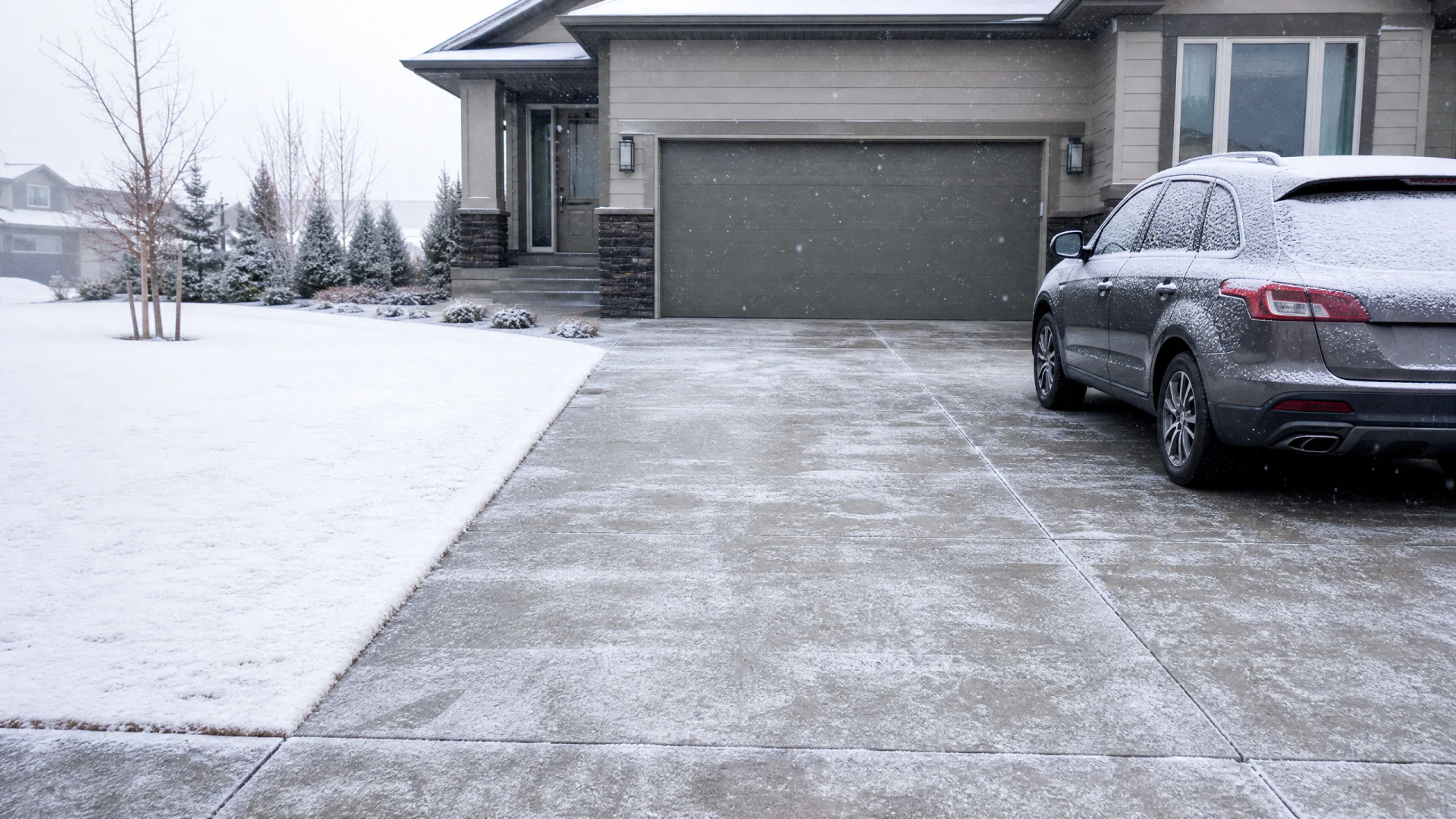
- Where the car sleeps at night Insurers price a policy around the address where the car is usually parked. If your parent's car stays at their home, that's the address that belongs on the policy, even if you handle the paperwork.
- Paying the bill isn't owning it Taking over the bills doesn't make it your policy. If your parent is still the one driving and owning the car, the policy should stay in their name at their address.
- A real move changes things If your parent has actually moved in with you and the car moved too, then your address is correct and you should update it right away. Check with the insurer about how that move affects the rate.
- Driver status isn't address You can be listed as an occasional or additional driver on your parent's policy without changing the garaging address. That covers you when you drive their car without pretending the car lives somewhere it doesn't.
- Wrong address, risky claim If a claim comes in and the real garaging address doesn't match what's on file, the insurer can question or deny it. Keep the address accurate even if it feels like a small detail.
What if my parent moves in with me, does the address change then?
Yes, once your parent and the car actually live at your address, that becomes the correct address for the policy. This isn't a workaround, it's just the policy catching up to reality. You'll want to update it as soon as the move happens rather than waiting, because an address that's wrong at the time of a claim is the actual problem, not an address that recently changed.
When you call to update it, expect the rate to shift. It might go up if your area or living situation carries different risk, or it might go down. Either way, ask the insurer directly what changes besides the address, since things like discounts tied to their old location or multi-policy arrangements can shift too. If your parent keeps a second car at their old place, that one may need to stay on the old address instead.
Once you know whose name and address belong on the policy, compare quotes for that exact setup.

When a daughter handling her father's bills almost moved the address
A woman in her fifties had taken over her father's finances after he asked for help keeping up with paperwork. He still lived alone and still drove, just less often. When she called to update the billing contact on his car insurance, the agent asked for her address, and she almost gave her own out of habit, since that's where the bill would now go.
She caught herself and asked the agent directly whether the mailing address and the garaging address were the same thing. They weren't. The agent explained that bills could go to her, but the car itself was garaged at her father's home, so that address had to stay on the policy. She updated the mailing address only, left the garaging address alone, and added herself as a contact person authorized to discuss the policy. Her father kept his own policy, his own rate based on where he actually lived, and she got the convenience of handling the bills without creating a mismatch that could cause problems if he ever filed a claim.
Why the address has to follow the car, not the paperwork
Car insurance is priced around risk, and a big part of that risk is location. Where a car is parked overnight affects the chances of theft, vandalism, weather damage and the kind of traffic it's driven in. Insurers build their rates around the actual garaging address for that reason, not around who happens to be managing the account.
This is why you can take over the bills, the phone calls and the renewal decisions without anything about the address needing to change. The person managing the policy and the person the policy is priced around don't have to be the same person. Most insurers have a role for this, letting you be listed as an authorized contact or additional driver while your parent remains the named insured at their own address.
Where it gets more complicated is when living situations are genuinely in between, like a parent splitting time between your home and theirs, or a car that gets driven in both places regularly. In those cases, there often isn't one clean answer, and it's worth asking the insurer directly how they want it handled, because policies vary on this.
The throughline is that the address on the policy is supposed to describe the real world, not the convenient world. When it does, claims go smoothly and the rate reflects actual risk. When it doesn't, you've created a small inconsistency that can turn into a large problem exactly when you need the policy to work.

The address on a policy describes the car's real life, not who's managing the paperwork.