Can You Buy Comprehensive Without Collision
Yes, most insurers let you buy comprehensive without collision, a smart option for an older car a parent still drives carefully.
Dropping collision on a parent's older sedan
You took over the insurance paperwork for your father's twelve-year-old sedan after you noticed the renewal sitting unopened on his counter. The car was worth little by now, he still drove it mainly to the grocery store and church, and the collision portion of the premium was costing more each year than made sense for a car that cheap. You called the insurer to ask what his coverage actually included and learned comprehensive and collision were separate line items he could split.
You kept comprehensive, since that covers theft, fire, weather, and hitting a deer, things that can happen to a parked or carefully driven car regardless of skill. You dropped collision, since that only pays for crash damage to his own car and the car wasn't worth enough to make that payout meaningful. He kept full liability so anyone he might hurt or whose car he might damage stays covered. The premium dropped, he kept driving, and you both understood exactly what a claim would and wouldn't pay for.
What happens if your parent causes an accident with this coverage?
Liability is what pays for the other driver's damage and injuries, and that's separate from comprehensive and collision entirely. Dropping collision never touches liability. As long as your parent keeps liability coverage at whatever limits their state requires, or ideally higher, an accident they cause will still be covered for the other person.
What collision would have covered is damage to your parent's own car in that same accident. Without it, repairing or replacing his car after a crash he caused comes out of pocket. That's the real tradeoff here, not whether other people are protected, but whether his own car is protected after a crash versus after theft, weather, or an animal strike, which comprehensive still covers either way.
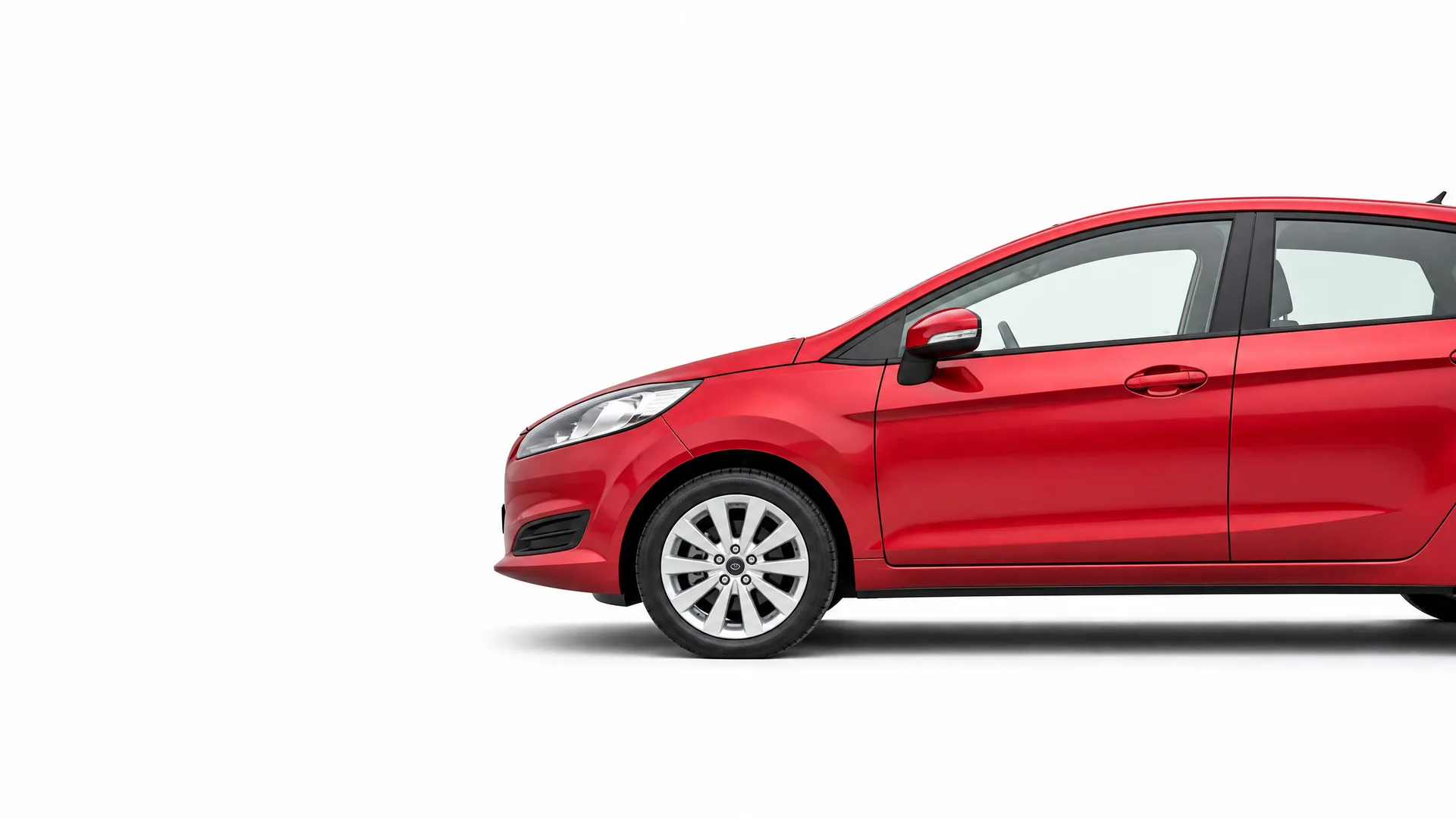
The real question is whether this car is worth enough to make collision worth its cost.
Compare quotes with comprehensive-only coverage already chosen, and see what it actually saves on your parent's policy.

Should you drop collision and keep only comprehensive
If you do
Comprehensive still pays out for theft, fire, vandalism, and animal strikes, so your parent stays protected against those. You lower the premium right away. But if your parent causes a crash or hits a stationary object, repairing or replacing their own car comes entirely out of pocket, with no insurance payout for that specific damage.
If you don't
Keeping collision means a crash your parent causes still gets their car repaired or replaced, up to its value. You pay more each renewal for that protection. For a car still worth a meaningful amount, this is often the safer choice, especially if replacing it suddenly would strain your finances or theirs.
What to check before you drop collision
- Car's actual value Look up what the car is worth today, not what it cost originally. If the value is low, collision payouts shrink too, and the coverage may cost more than it would ever pay back.
- Liability stays separate Comprehensive and collision are both separate from liability, which covers other people. Dropping collision never reduces protection for anyone your parent might hurt in an accident.
- Lender or lease rules If the car is financed or leased, the lender may require collision regardless of what you'd prefer. Check the loan or lease paperwork before assuming you have a choice.
- State and insurer rules Some insurers won't sell comprehensive alone in every state, and rules vary on what else you must carry. Call the insurer directly and ask what your parent's state allows.
- Replacing the car later If your parent crashes without collision, think through now whether you'd help pay for a new car or whether they'd stop driving. Decide that before it happens, not during.