Can You Pause Car Insurance if Not Driving
You usually can't fully pause a policy, but you can often cut coverage down to the minimum your state allows while the car sits unused.

What to check before you touch the policy
- Comprehensive-only coverage Most insurers let you drop liability but keep comprehensive if the car still needs protection from theft, fire or weather. Ask whether this option exists before canceling anything outright.
- State rules on lapses Some states require continuous coverage on any registered vehicle, even one that's parked. Check your parent's state rules before stopping payments.
- Registration status If the car stays registered, insurance is often still required by law. Ask about unregistering or storing the vehicle if driving has stopped for good.
- Policy in whose name If the policy isn't yours, you'll need your parent's authorization or to be listed on the account before making any changes. Confirm this with the insurer first.
- Rate impact later Canceling a policy entirely can make it harder or costlier to reinsure the car later. Weigh this against the short-term savings of pausing coverage.

The short version
You can't usually pause a policy completely, but you can often lower it to comprehensive-only coverage while the car isn't driven. Check your state's rules on lapses and registration first. Call the insurer, explain the situation, and ask what minimum coverage keeps you compliant and protected.

When a parent stops driving after a health scare
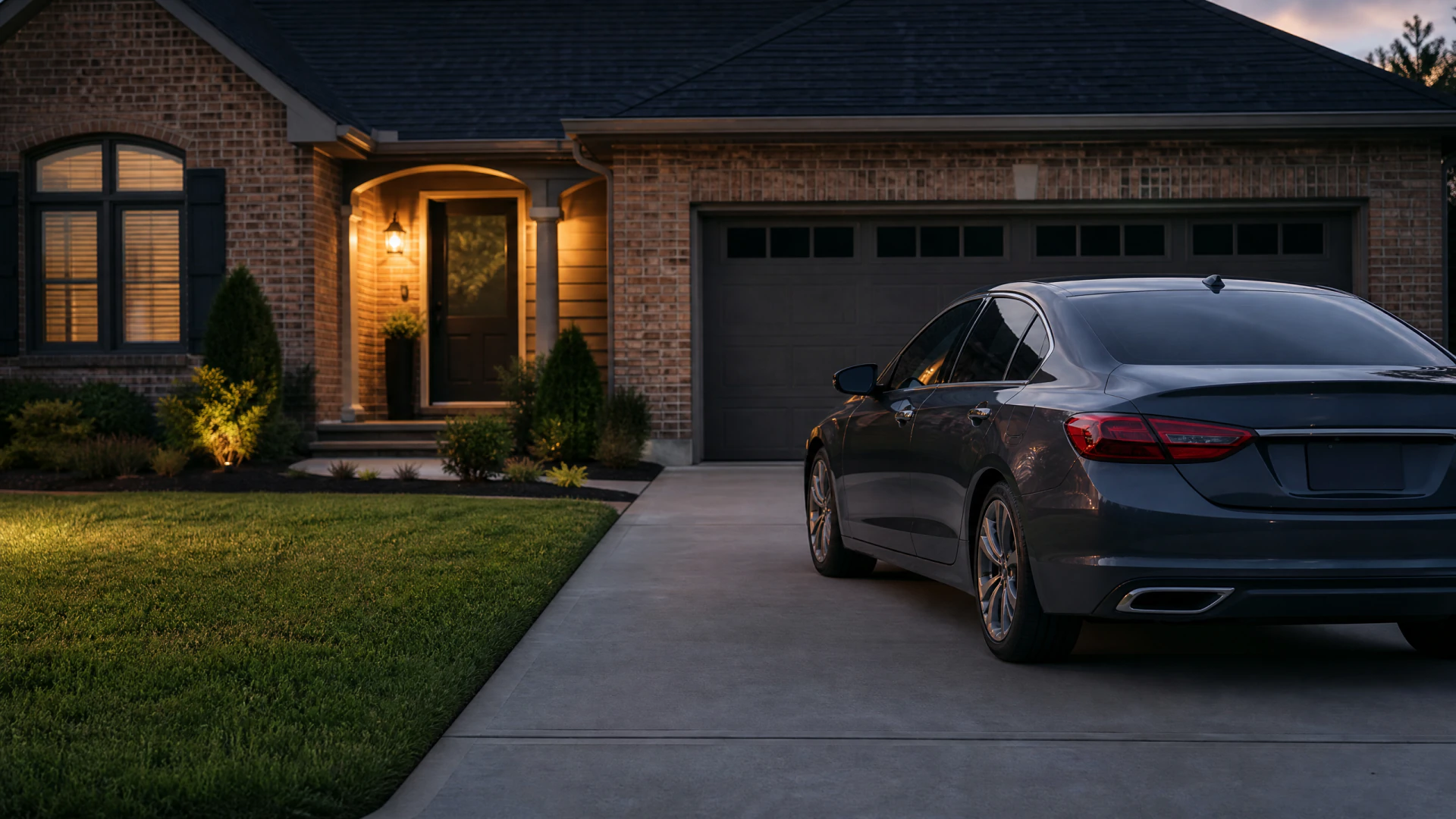
Your father has a car sitting in the driveway after a fall that ended his driving for good. You're managing his bills now and want to stop paying for coverage he doesn't need, but you're not sure if dropping the policy entirely is safe or even legal where he lives.
You call his insurer and ask about options short of cancellation. They explain that because the car is still registered, state law requires some coverage, but they can switch him to a comprehensive-only policy that protects against theft and damage while skipping liability for driving he's not doing. You also ask about unregistering the car, which would let you drop coverage entirely, but that means surrendering plates and losing the option to drive it again without new paperwork. You decide comprehensive-only coverage makes more sense for now, since the car might go to a grandchild or get sold once things settle. The payment drops, the car is still protected, and you haven't locked yourselves into a decision that's hard to undo.
Once you know what level of coverage your parent actually needs, compare quotes to see what that coverage costs.

What happens if the car is sold instead of just parked?
If the car is sold, the policy on it should end at the sale, not sit paused. You cancel the policy once the title transfers and the buyer has their own coverage in place. There's no reason to keep paying for a car that's no longer in your parent's name.
If your parent might buy another car later or the sale is still pending, timing matters. Don't cancel early just to save a little, because a gap in coverage can complicate insuring a future vehicle. Wait until the sale is final, confirm the new owner has insurance before the car leaves, and only then end the policy.
A parked car still needs protection, so the real choice isn't pausing coverage, it's picking the right level.