
Does Excluding a Driver Affect Insurance
Excluding a driver usually lowers your premium, but it means that person has zero coverage under your policy if they ever drive your car.

What changes when you exclude your parent from your policy
- Premium often drops Insurers price risk per driver, so removing one lowers what they charge. Ask your insurer for the exact difference before deciding.
- Zero coverage if they drive An excluded driver has no coverage at all under that policy, even in an emergency. Make sure your parent never gets behind the wheel of your car.
- Separate policy needed If your parent still drives their own car, they need their own active policy. Confirm it's in good standing with no lapses.
- Written exclusion required Exclusions must be signed and filed with the insurer, not just verbal. Keep a copy for your records in case of a dispute.
- Rules vary by state Some states limit or disallow driver exclusions entirely. Check with your insurer or state insurance office before assuming this option is available to you.
What if my parent drives my car by accident after being excluded?
Then there's no coverage for that trip, and you'd be personally exposed for any damage or injury that happens. This is the biggest risk people underestimate when they exclude a driver to save money.
If there's any chance your parent might drive your car, even rarely, exclusion is the wrong tool. It's meant for someone who will never touch that vehicle again, not someone who might borrow it in a pinch. Talk through this honestly with your parent so everyone understands the line that can't be crossed, and consider whether a different arrangement, like keeping them listed but adjusting their role on the policy, fits your situation better.
An exclusion only saves money if you're certain that person will never drive the car, not just unlikely to.
Once you know whether exclusion fits your situation, compare quotes to see what either path actually costs you.
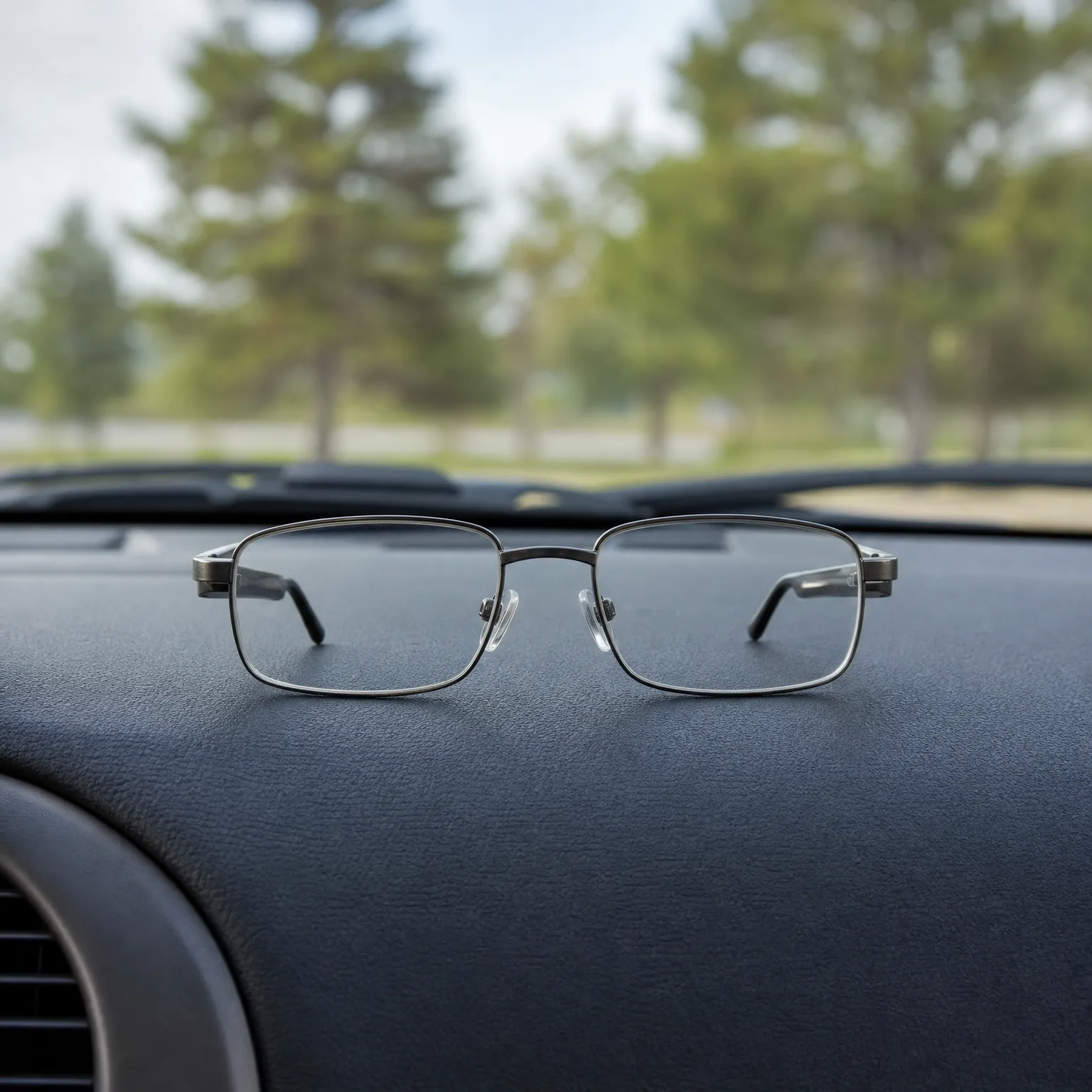
When a daughter excluded her father after he stopped driving
Maria's father had macular degeneration diagnosed and stopped driving entirely. He still owned his car, which Maria now kept at her house and used occasionally for errands. His name stayed on the title, but he had no interest in ever driving again.
Maria called the insurer and asked about excluding her father from the policy since he was still technically a listed driver. The agent confirmed he could be excluded in writing, which lowered the premium because the insurer no longer had to account for his age and vision history. Maria made sure her father understood this meant he legally could not drive that car again, not even to move it in the driveway. He agreed, since he had already decided driving was over. The arrangement worked because the exclusion matched the reality, he truly would never be behind that wheel again, so there was no risk of an uncovered incident.

Can I exclude a driver and still let them drive in an emergency?
No, an exclusion means zero coverage no matter the circumstance, including emergencies. If there's any chance of an emergency exception, don't use an exclusion. Instead, ask your insurer about other ways to reflect reduced driving without eliminating coverage completely.
How do I remove a driver exclusion later if my parent starts driving again?
You contact your insurer and request the exclusion be lifted, usually with a new signed form. This can raise your premium back to reflect that driver's risk. Do this before your parent drives again, not after, since coverage only resumes once the exclusion is officially removed.
Does excluding a driver affect my own coverage if I cause an accident?
No, excluding someone else doesn't change your own coverage as the policyholder. It only removes coverage for the excluded person specifically. Your own driving record, limits, and premium stay governed by your standing on the policy, separate from whatever exclusion you've added for someone else.