Does Garaging Address Matter
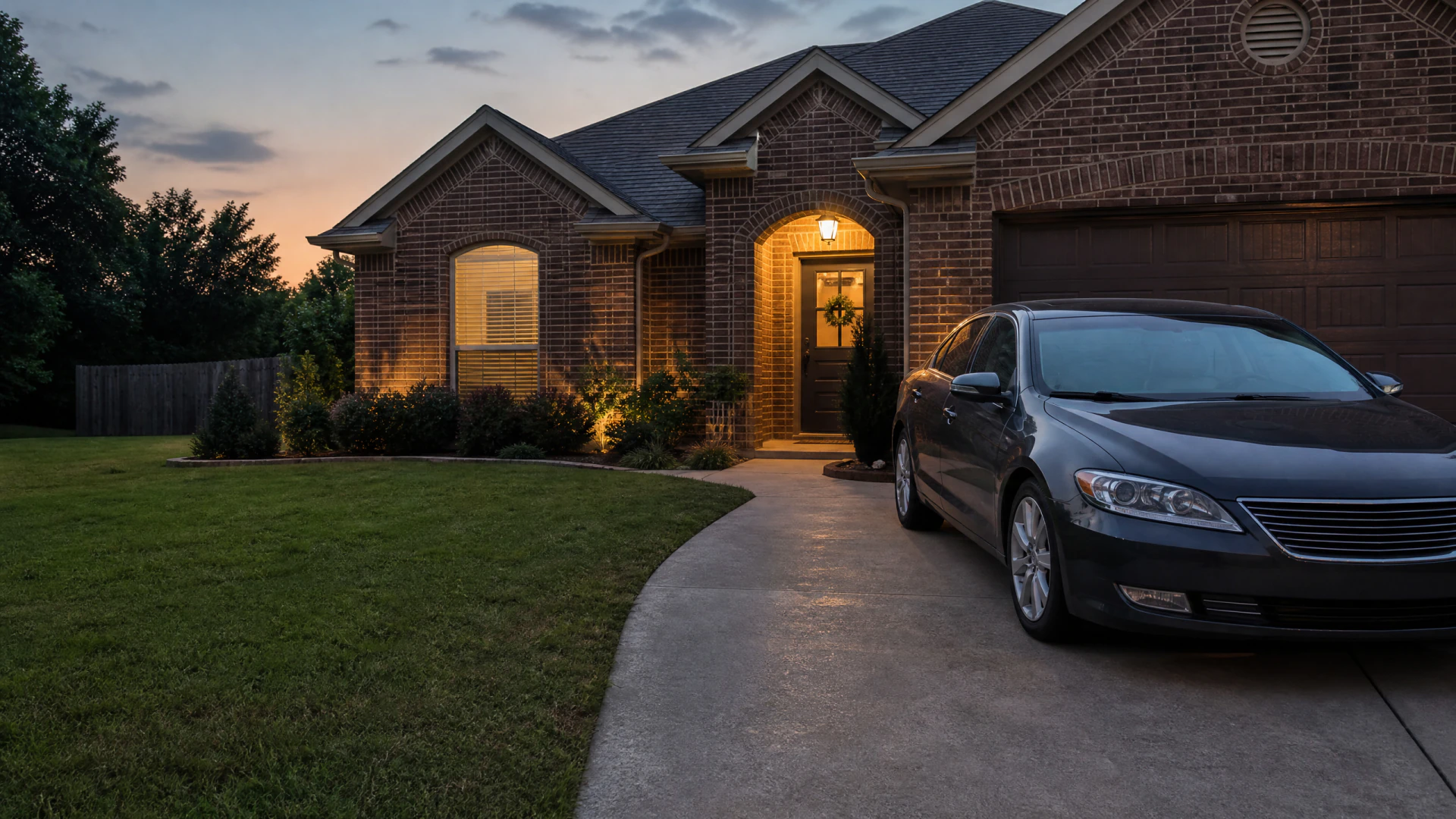
Yes, the garaging address matters, because it has to match where your parent's car actually spends most nights.
When a parent's car moved to your driveway
One reader's father stopped driving after a fall, and the car sat in her driveway for months while she figured out what to do with it. She assumed the policy could stay as it was, still listed at her father's old address, since he technically still owned the car and the policy was still in his name.
When she called to ask about removing her father from the policy, the agent asked where the car was actually kept. She explained it hadn't moved from her driveway in months. The agent updated the garaging address, which changed the rate slightly based on her location, and confirmed the policy was still valid for a parked, unused car. She learned that the address on file is supposed to track the car, not the person, and that keeping it accurate protects any claim if something happened to the car while parked there, like weather damage or a break in.
What if my parent splits time between my house and theirs?
The garaging address should reflect where the car spends most of its nights, not a perfect fifty-fifty split that doesn't really exist. Look at the actual pattern over a typical month and use whichever address the car sees more often.
If the car genuinely moves between two homes in a way that's hard to pin down, call the insurer and describe the real situation. They handle this regularly and can tell you how to document it, whether that means picking the primary address or noting both. What you want to avoid is guessing and listing an address that doesn't match reality, since that's the version that causes problems later.

The garaging address isn't paperwork, it's what insurers use to judge risk, so it needs to match reality.
Once you know the right garaging address for your parent's car, compare quotes to see how it affects the rate.

Do you update the garaging address when it changes
If you do
You give the insurer accurate information to price the policy correctly and back any claim without question. If the car moves to your home permanently, updating the address keeps everything aligned with where the risk actually is, so there's no gap to argue about later.
If you don't
You carry a mismatch between where the insurer thinks the car lives and where it actually sits every night. If a claim comes up and the address on file is clearly wrong, the insurer may investigate further or push back, even if the claim itself has nothing to do with the mismatch.
What to get right about a parent's garaging address
- Match the real location The address on file should be wherever the car is parked most nights, not where your parent is registered to vote or receives mail. Update it the moment that changes.
- Expect the rate to shift Garaging address affects pricing because location is tied to risk. Moving a car to your address may raise or lower the rate depending on where you live, so ask before assuming it stays the same.
- Check your state's rules Some states and insurers have specific requirements about how garaging address is reported or verified. Ask the insurer directly what they need from you in your situation.
- Separate this from ownership Garaging address is about the car's location, not who owns the car or whose name is on the policy. Don't confuse updating this with changing ownership or adding someone to the policy.
- Document a temporary move If your parent is staying with you short term and the car came along, tell the insurer it's temporary. They can often note this differently than a permanent change, which matters if your parent plans to move back.