Does Insurance Cover Driving Another Persons Car
In most cases insurance follows the car, not the driver, so your parent's own policy backs up whatever car they drive.
Coverage is tied to the vehicle, with a few important exceptions
Car insurance is built around the vehicle first. The policy on a car is meant to cover that car and the people who drive it with the owner's permission, even if the driver listed on the policy isn't behind the wheel that day. So if your parent borrows a neighbor's car for an afternoon, the neighbor's policy is usually the first one that responds if something happens.
Your parent's own policy still matters, though. Most policies include what's called secondary coverage, which can step in if the primary policy doesn't cover everything, or if a claim gets denied for some reason. This is part of why keeping your parent's own policy active matters, even if they drive their own car less often than they used to.
The exceptions are where this gets tricky. If your parent drives a car regularly, like a second car kept at your house, insurers may expect that car to be listed on a policy rather than relying on permissive use every time. Regular use is treated differently than an occasional favor. This is also where rules differ by insurer and by state, so it's worth checking directly with the insurer about what counts as regular use versus occasional use.
There are also situations that fall outside permissive use entirely, like someone driving without the owner's knowledge, or driving a car for business purposes like deliveries. Those situations often aren't covered the same way, so it helps to ask directly if either applies to your parent's situation.
The short version
Insurance generally follows the car, so your parent's own policy is secondary if they drive someone else's car with permission, and the other car's policy usually responds first. If your parent drives a car regularly rather than occasionally, check whether it needs to be added to a policy. Call the insurer and describe the actual pattern of use.
What if my parent causes an accident in someone else's car?
The vehicle owner's policy is typically the first one to pay for damage or injury, since coverage is tied to the car itself. If those limits aren't enough to cover everything, your parent's own policy can often step in as secondary coverage, assuming they still have an active policy.
This is one reason it's worth keeping a policy in place even if your parent drives less than before. Without one, there may be no second layer of protection if costs go beyond what the other policy covers. It's also worth asking the insurer directly how this works in your state, since the specifics of secondary coverage can vary.
Now that you know whose policy responds first, compare quotes to make sure your parent's coverage can back it up.
What to check before assuming either policy applies
- Occasional versus regular use A one-time borrow is treated differently than driving the same car every week. Ask the insurer where that line falls so you know if a car needs to be added to a policy.
- Permission matters Coverage generally assumes the driver had the owner's okay. If that's ever unclear, like a shared household car, get it in writing or confirmed verbally with the insurer.
- Secondary coverage limits Your parent's policy may only cover what the primary policy doesn't. Check the actual limits so you know there's no gap if costs run higher than expected.
- State rules differ How permissive use and secondary coverage work can vary by state. Call the insurer and ask specifically how your state handles it.
- Lapsed or reduced policies If your parent's policy was dropped or minimized because they drive less, that secondary protection may not exist anymore. Confirm what's still active before relying on it.
When a visit turns into an unplanned drive
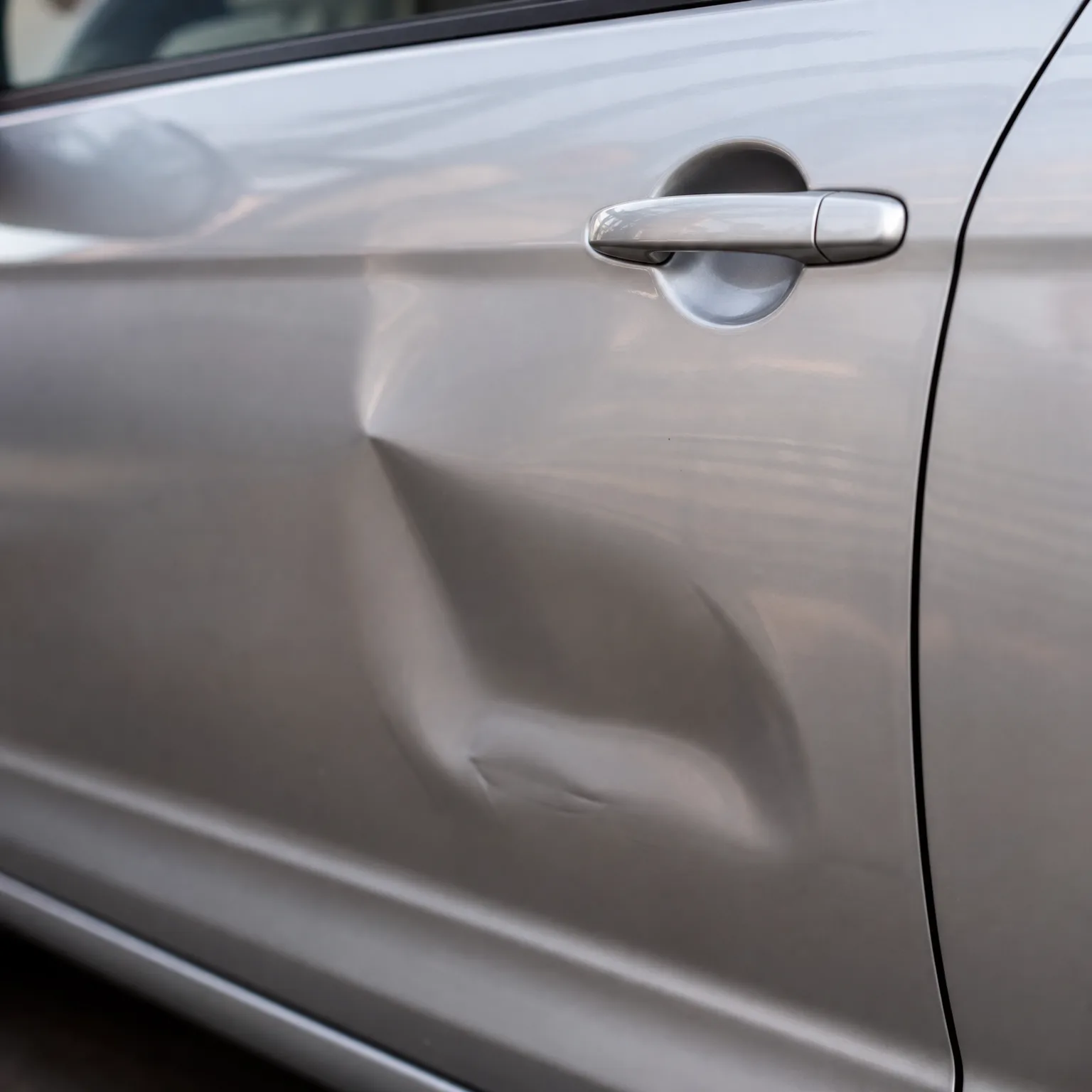
Your father visits for a weekend and offers to run an errand in your car while you're at work. He's driven for decades and you don't think twice about it. On the way back, another driver runs a light and hits him. No one is seriously hurt, but both cars need repairs and there's a claim to sort out.
Because he was driving your car with your permission, your policy is the one that responds first. His own policy, still active even though he drives less these days, backs it up as secondary coverage in case costs go beyond what your policy covers. Because you'd kept his policy in place instead of canceling it, there was no gap, and the whole thing got resolved without an argument over whose insurance should pay.
Should I add my parent to my car insurance policy?
Only if they drive your car regularly, not just occasionally. If your parent uses your car on a consistent basis, insurers often expect that to be reflected on the policy rather than relying on permissive use every time. If it's occasional, like a weekend visit, you likely don't need to add them. Ask your insurer directly how they define regular use, since that threshold varies by company.
What happens to my parent's car insurance if they stop driving?
That depends on whether they still own a car and whether anyone else drives it. If the car is sold, the policy is typically canceled or adjusted. If the car stays in the household and someone else drives it occasionally, it may still make sense to keep a reduced policy for secondary coverage. Talk to the insurer about options for lower usage before canceling entirely, since dropping coverage completely can remove that safety net.
Can I be held liable if my parent causes an accident in my car?
Generally liability follows the policy on the car, not your personal finances directly, so your insurance is what responds first. If damages exceed your policy limits, there could be personal liability exposure, which is why adequate limits matter. This is worth discussing with your insurer, especially if your parent drives your car somewhat often. Ask specifically what your liability limits are and whether they're enough given this new use of the car.