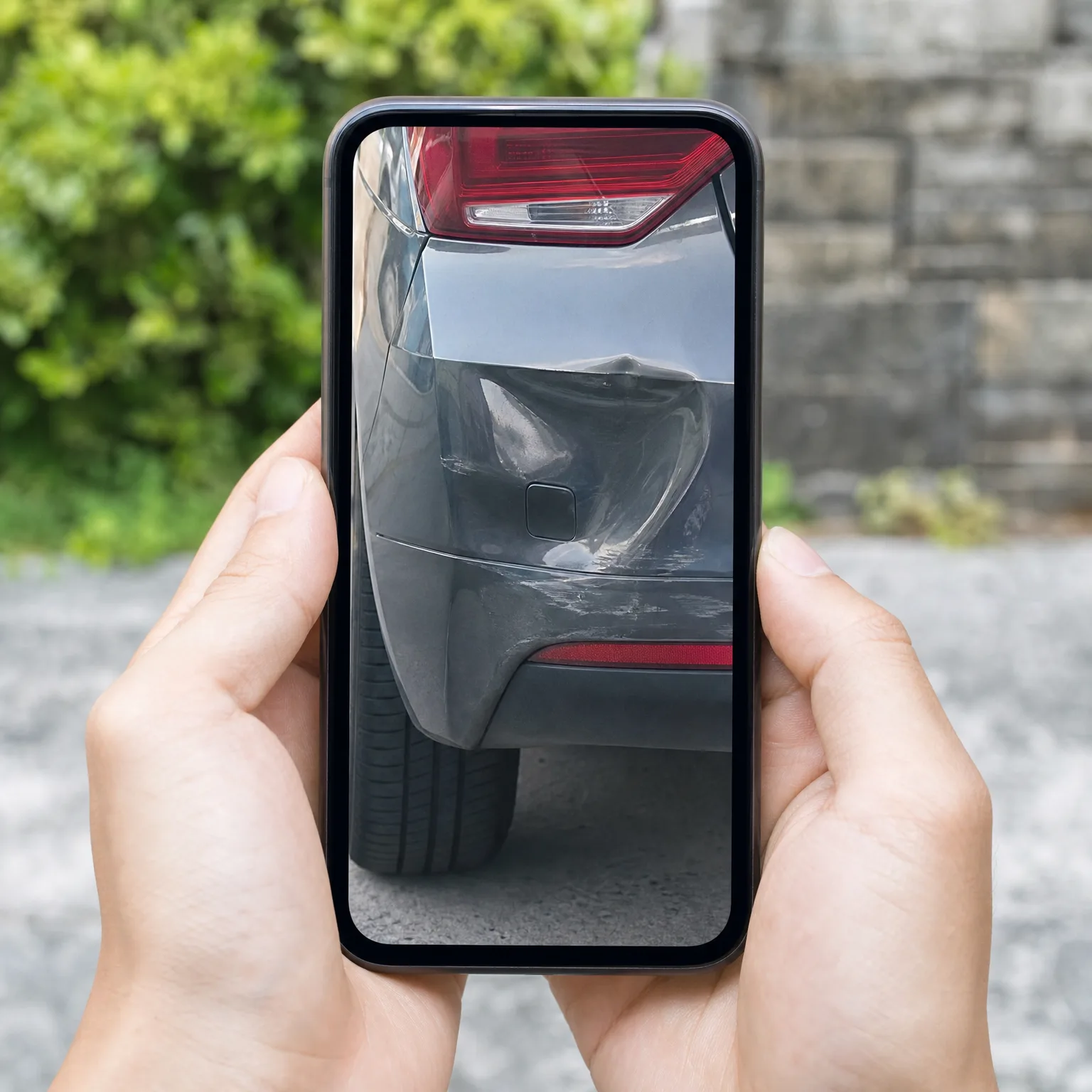
Driving a Parent to Appointments
The car's own policy covers the trip in almost every case, whether you drive your car or theirs.
Coverage follows the car, not the driver's last name
Car insurance is written to the vehicle first. The policy on whatever car is actually moving is the one that responds if something happens, and that's true whether the person behind the wheel is the owner, their spouse, their kid, or you. So when you drive your parent to an appointment in their car, their policy is doing the work. When you drive them in your car, yours is.
The usual condition is that you're driving with permission and not doing it so often that you've basically become a regular driver of that car without being on the policy. An occasional ride to a doctor's office is exactly the kind of use insurers expect. A standing arrangement where you drive their car several times a week starts to look different, and some insurers want frequent drivers listed even if they're not the owner.
Where this gets less uniform is in the details underneath. Some states and some insurers extend coverage to any permitted driver without much fuss, while others look harder at who's listed on the policy and who isn't. If your parent's policy has unusual exclusions, a very old policy with limited liability amounts, or a nonstandard insurer, the rules can tighten. It's worth a call to their agent or insurer to ask directly whether occasional drivers are covered, rather than assuming.
The other variable is your own policy. If you're driving your car, your coverage applies as it normally would, with your parent as a passenger. Nothing about them being older or needing help changes how your policy treats the trip. The exception is if your parent's condition requires you to carry equipment or make modifications to your car, which is a separate conversation from insurance entirely.
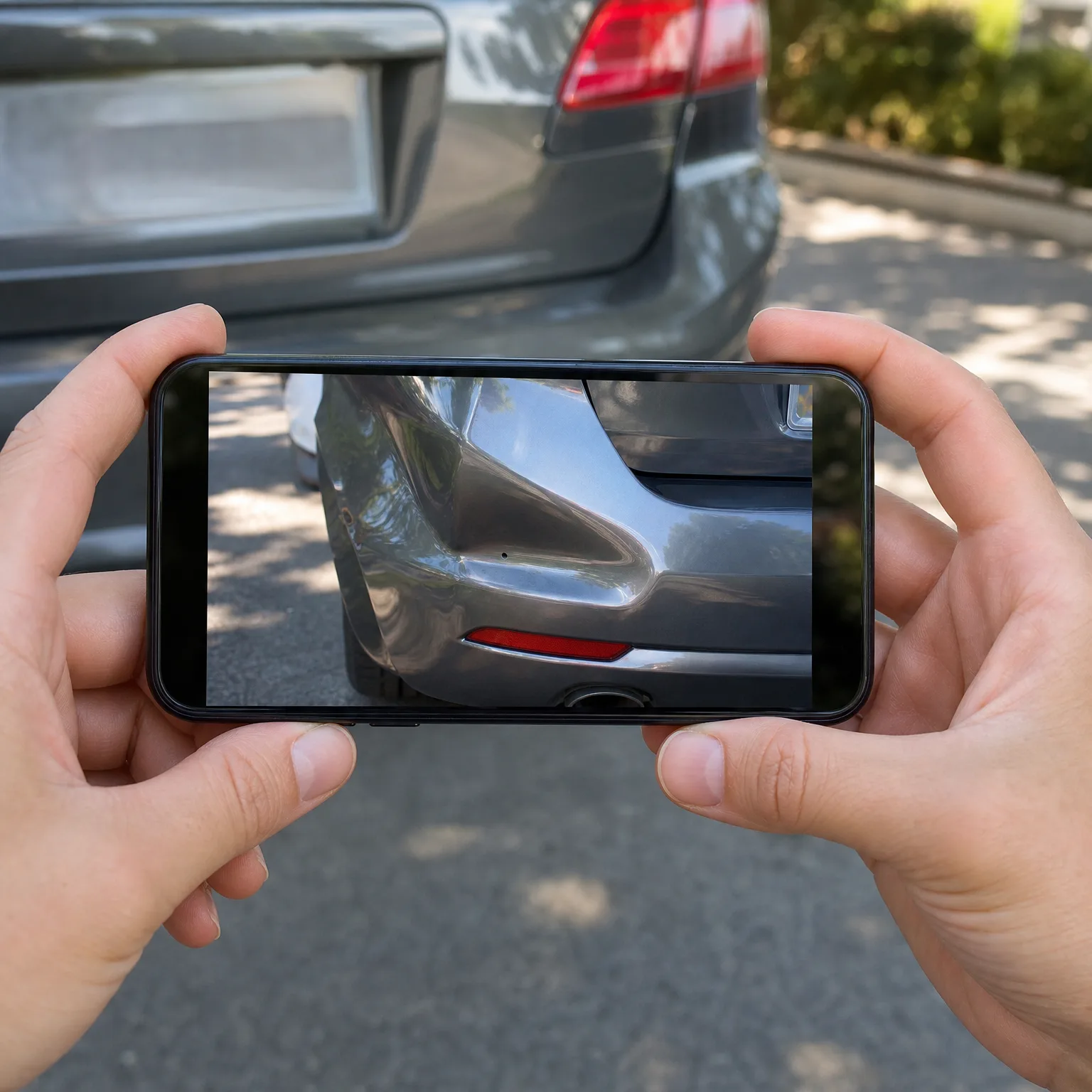
What to confirm before these drives become routine
- Check their driver list If you're driving their car occasionally, you likely don't need to be listed. If it becomes regular, call their insurer and ask directly.
- Know their liability limits If their policy is old, the liability coverage might be lower than typical today. Ask what the limits are so you're not surprised later.
- Confirm permission is documented Verbal permission is usually enough, but if you manage their affairs, keep a simple note of the arrangement for your own records.
- Ask about excluded drivers Some policies name an excluded driver, often due to a past issue. Make sure you're not on that list by mistake.
- Review your own policy too If you're the one driving, check your liability limits and whether your policy has any passenger restrictions worth knowing about.

Should you get listed as a driver on their policy
If you do
You're added as a known driver, so if you're ever in an accident while driving their car, there's no question about whether you were covered. Their premium may shift slightly, but claims go smoother because the insurer already expects you behind the wheel sometimes.
If you don't
You can likely still drive the car occasionally without issue, since most policies cover permitted drivers automatically. But if driving them becomes a weekly habit, an insurer could question it during a claim, so check their specific policy rather than assuming it's fine indefinitely.
Once you know whose policy covers these trips, compare quotes to make sure that coverage is actually solid.
What happens if you're at fault in an accident while driving their car?
Their policy pays first, since coverage follows the car. Their liability coverage responds to the other driver's damages and injuries, up to their policy's limits, exactly as if your parent had been driving.
If the damages are large and exceed what their policy covers, your own insurance could be asked to pay the remainder, depending on your state's rules and your own policy's terms. This is less common but worth knowing, especially if their liability limits are on the lower side. It's part of why checking their coverage amounts matters, not just whether you're technically covered but how much protection actually exists if something serious happens.
The car's policy is doing the real work here, so its coverage amounts matter more than whose name is on it.
Does my parent need to add me as a driver if I only drive them occasionally?
Usually not. Occasional, permitted use is typically covered automatically under most policies. The concern grows only if the arrangement becomes frequent or regular, at which point some insurers expect the driver to be listed. Ask their insurer directly if the visits are becoming routine, since the answer depends on their specific policy.
What if my parent stops driving but keeps the car for me to use?
The policy may need to change. Insurers price coverage based on who actually drives the car, so if your parent is no longer driving at all and you're the primary user, the policy should reflect that. Call their insurer to update it, since leaving it unchanged could affect a future claim.
Can I use my own car to drive my parent without telling their insurer anything?
Yes, this doesn't involve their policy at all. Your car and your insurance handle the trip exactly as they would for any other passenger. Their insurer has no role here unless their car itself is involved in some way, like being used as a backup vehicle.