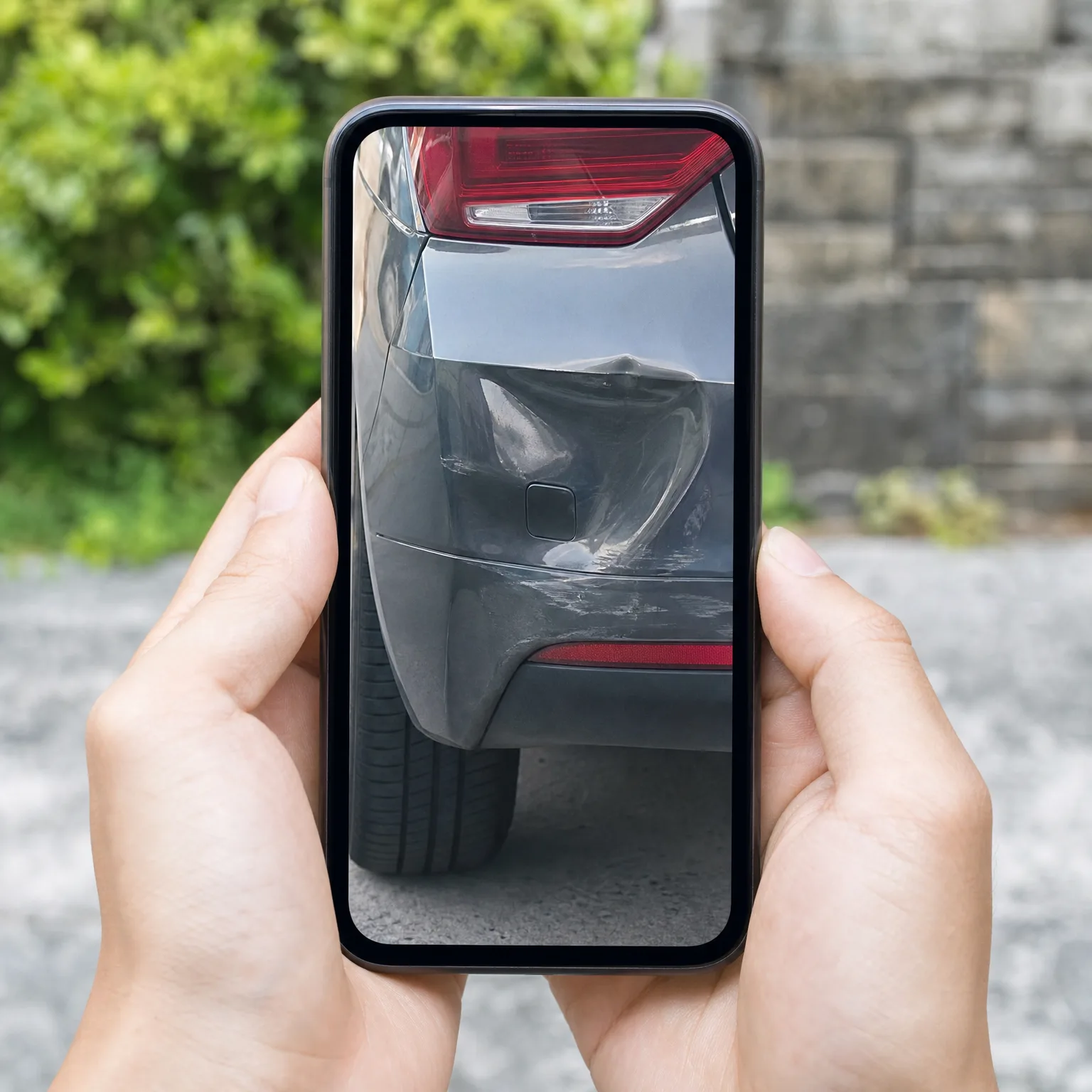
Helping an Aging Parent With Car Insurance
You can help manage your parent's car insurance without putting it in your name or taking over their independence.
Why the policy usually stays in your parent's name
Insurance follows the car's registered owner and the person named on the policy, not whoever happens to be paying the bill. If your parent owns the car and is listed as the policyholder, that's the arrangement that makes sense for everyone, even if you're the one logging into the account or writing the check. Taking over the paperwork doesn't require taking over the policy.
Liability works the same way. If your parent is driving and causes an accident, the claim goes against their policy, not yours, as long as you aren't also a regular driver of that car. Being helpful with bills or calls doesn't make you financially responsible for an accident you didn't cause and weren't driving in.
Where it gets more complicated is when living situations change. If your parent moves in with you, or starts regularly driving a car registered in your name, insurers generally expect that car to be listed on your policy with your parent as a named driver. This is less about liability and more about the insurer accurately pricing the risk of who's actually behind the wheel. Rules on this vary by insurer and by state, so it's worth a direct call to ask how your specific situation should be handled.
The other variable is authority. If you're going to call the insurer, change coverage or file a claim on your parent's behalf, you'll likely need to be listed as an authorized contact on the account, separate from being a driver or owner. This is usually a quick form, not a restructuring of the policy itself.
What happens to the policy if my parent stops driving?
If your parent stops driving but still owns the car, insurers typically let you drop them to a lower tier of coverage, sometimes called a storage or non-operator policy, since there's no driving risk to price. The car still needs some coverage if it's registered and parked on a street or shared property, so don't assume no driving means no policy at all.
If your parent gives up the car entirely, the policy can usually be cancelled once the vehicle is sold, transferred or junked. Timing matters here, since cancelling before the car is actually gone can leave it uninsured and cancelling late means paying for coverage nobody needs. Call the insurer when the car is about to change hands, not after, so the paperwork lines up with the actual date.
Helping with paperwork doesn't make the risk yours. The policy stays your parent's until that truly changes.
Once you know whose name the policy should be in, compare quotes to match coverage to how the car is really used.
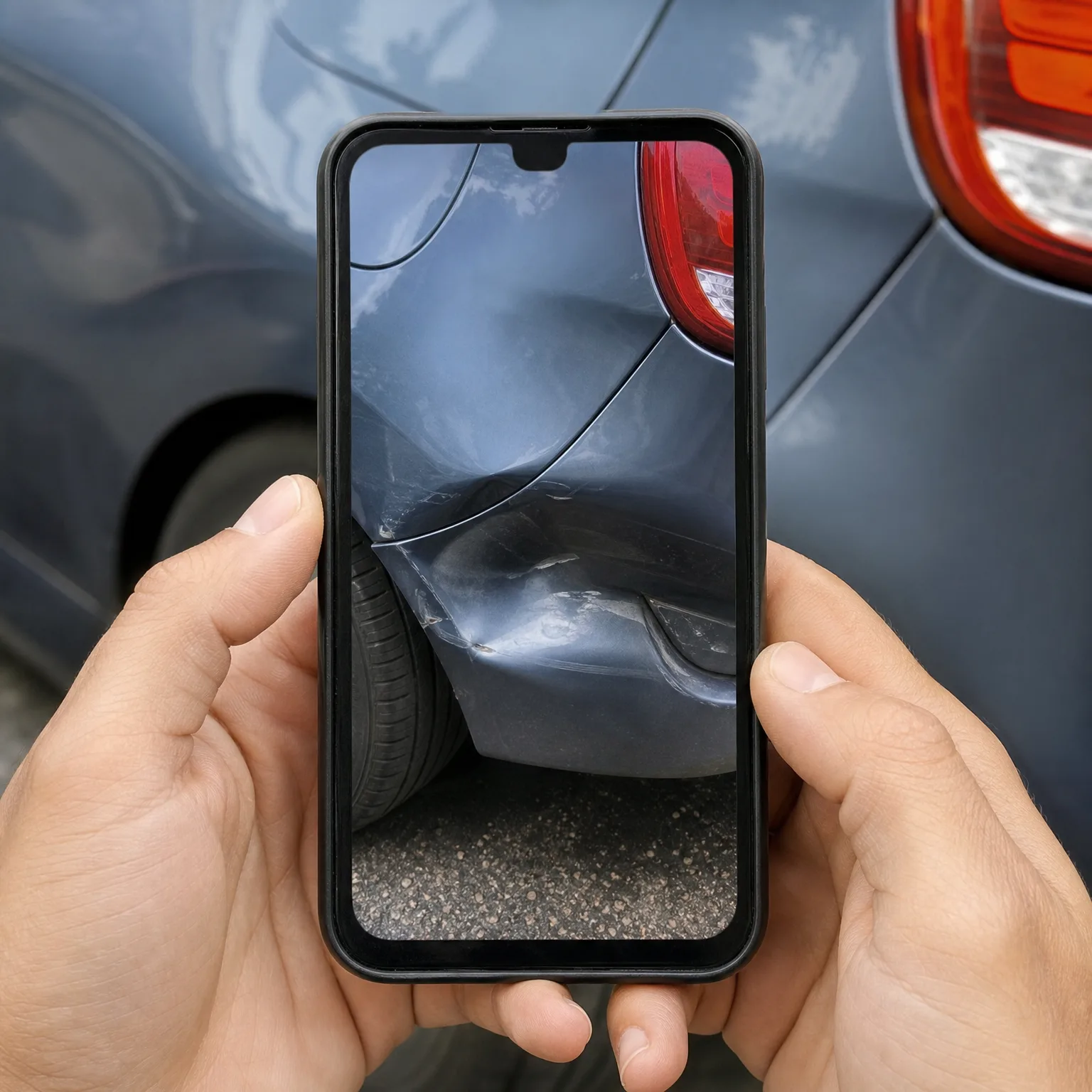
What to check before you change anything
- Who owns the car If your parent owns and registers the car, the policy should stay in their name. Confirm the title and registration match before changing anything on the insurance side.
- Who actually drives it If you or another family member drive the car regularly, insurers usually want that person listed as a driver. Call and ask how often someone has to drive it before it counts as regular use.
- Your access to the account Ask the insurer to add you as an authorized contact so you can call, ask questions or file a claim. This is different from being a driver or owner and usually takes one short form.
- Coverage if driving stops Ask what happens to the policy if your parent stops driving but keeps the car. Many insurers offer a reduced coverage option for a car that's parked and unused.
- State rules on shared households If your parent moves in with you, ask both insurers how shared address or shared vehicle use affects each policy. Rules differ by state and by company, so get it in writing.

Should I add my parent to my car insurance policy?
Only if they regularly drive a car that's registered in your name. If your parent has their own car and their own policy, adding them to yours usually isn't necessary and can complicate both policies. The clearest sign you need to act is when the car your parent drives most is actually titled to you, not them. If that's the case, call your insurer and ask how they want the arrangement handled, since some require it and some just offer it as an option.
Am I liable if my parent causes an accident while driving their own car?
Generally no, as long as the car and policy are in your parent's name and you weren't driving. Liability follows the policyholder and the driver at the time of the accident, not family members who help manage the account. This changes if you're a regular driver of that car yourself, or if you co-own it, since then you may be listed or expected to be listed on the policy. If you're unsure where you stand, ask the insurer directly how they define a regular driver for that policy.
What should I do if I'm worried about my parent's driving but they want to keep the car?
Start by talking to their insurer about options short of cancelling the policy, since many offer monitoring tools or trial periods before any bigger decision. This isn't a page about assessing driving safety, so loop in their doctor or a formal driving evaluation if that's the real concern. The insurance side only shifts once a decision about driving itself has been made, so treat that conversation as separate from the paperwork.