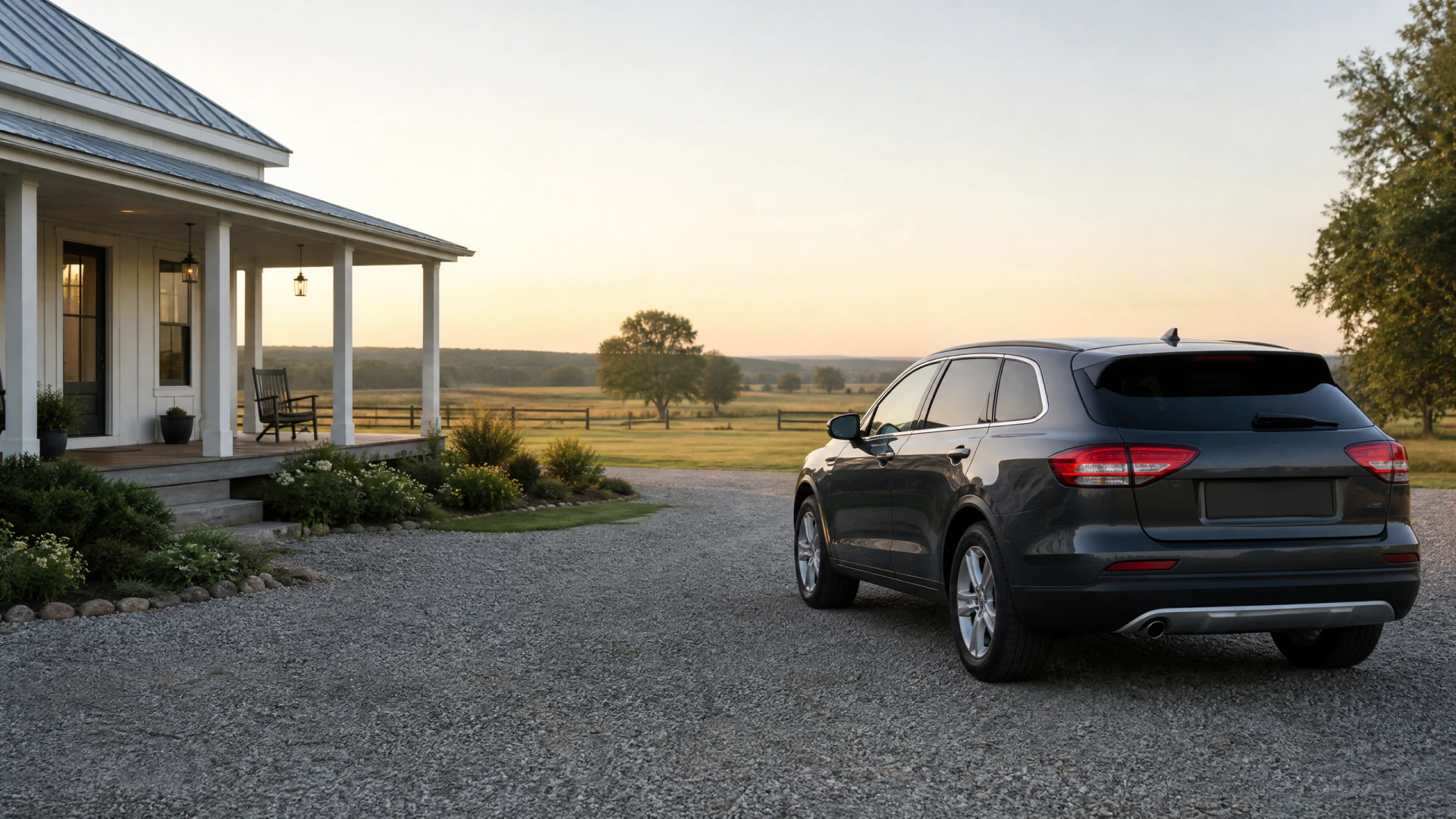
How Long Can a Vehicle Sit Without Being Driven
A car can sit for weeks without trouble, but how long depends on the insurance policy and how the car is used, not just stored.
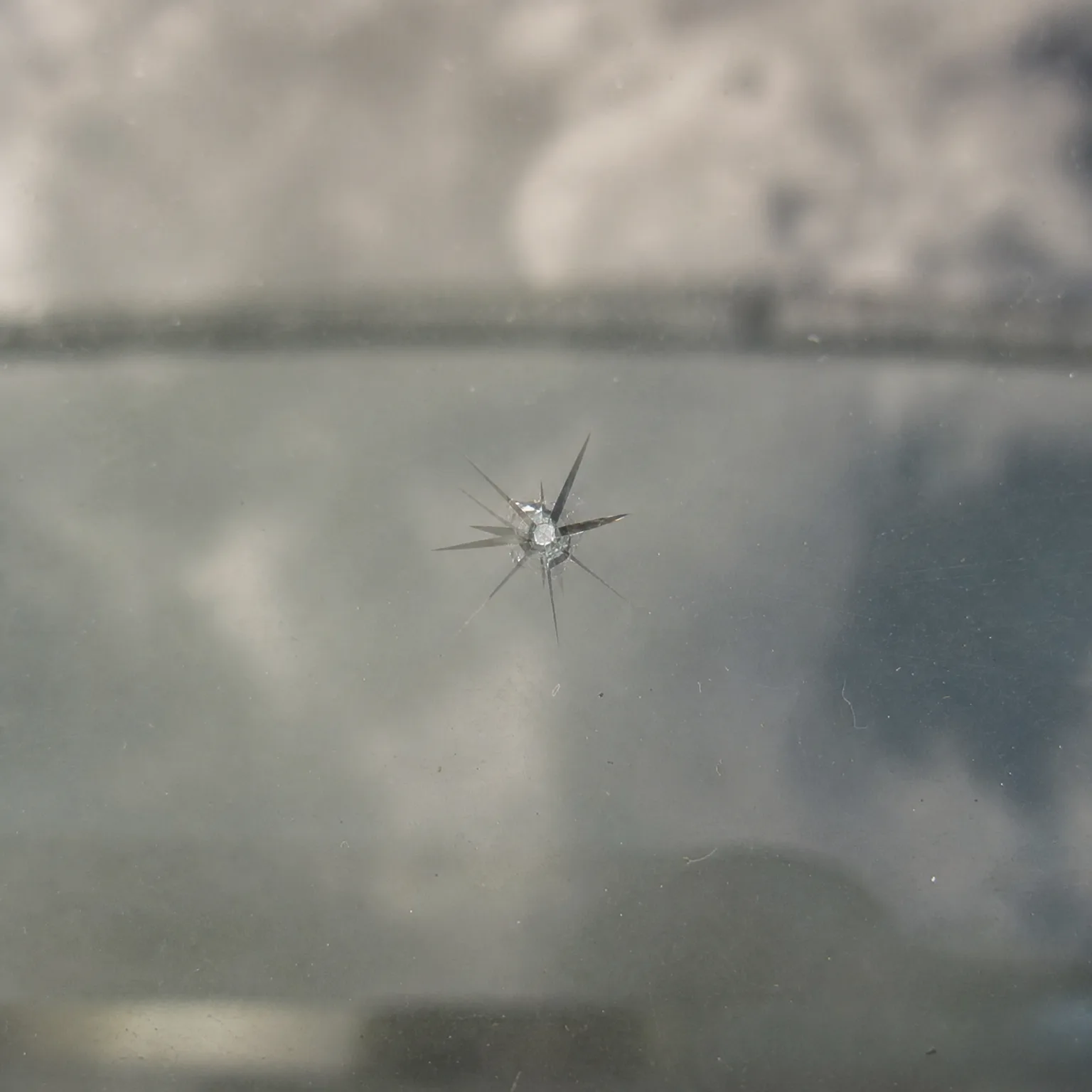
What actually determines how long a car can sit idle
- The insurance policy terms Most policies stay active whether or not the car moves, since premiums are based on the car being insured, not driven. Check your parent's policy for any clause about extended non-use, since a few insurers ask to be told.
- Comprehensive-only coverage If the car won't be driven for a long stretch, some insurers let you drop liability and keep just comprehensive, which covers theft or damage while parked. Ask the insurer directly what this would cost and whether it is even offered in your state.
- The battery and fluids A car sitting for weeks can develop a dead battery, flat spots on tires, or fuel that degrades. This isn't an insurance issue, but it affects whether the car starts and drives safely once your parent wants to use it again.
- Registration requirements Some states require a car to stay registered and insured even if it never leaves the driveway, while others allow you to suspend registration for an unused vehicle. Check your state's rules before assuming you can pause everything at once.
- Who's listed as the driver If your parent drives rarely now, the policy should reflect that, since usage affects pricing and sometimes coverage terms. Tell the insurer the real pattern so the policy matches what's actually happening.
Should you cancel the insurance if the car isn't being driven at all?
Usually not outright. If your parent still owns the car and might use it again, dropping coverage entirely leaves it exposed to theft, fire, weather damage or vandalism while sitting unprotected, and reinstating a policy later can be more complicated than adjusting an existing one.
A better move is usually calling the insurer and asking about reducing coverage to comprehensive-only, which is often far cheaper than full coverage but still protects the car itself. This keeps a continuous insurance history too, which matters if your parent starts driving again or if you eventually sell the car.
If the car is being sold, donated or permanently retired, that's different, and canceling makes sense once the transfer is final. The key question to ask yourself is whether this is temporary or permanent, since that changes what the right move is.

Whether you tell the insurer the car is sitting unused
If you do
The insurer can adjust the policy to reflect reality, possibly lowering the cost while keeping protection against theft or damage. You avoid surprises if something happens to the parked car, and you build a clear record in case a claim ever comes up.
If you don't
The policy stays as if your parent were driving normally, possibly costing more than needed. If damage happens while parked and the insurer later learns the car sat unused for a long stretch without being mentioned, it could complicate a claim.
With a plan for the parked car settled, compare quotes to find coverage that actually fits it.
When a parent stops driving but keeps the car
A woman in her fifties noticed her father, in his eighties, had stopped taking the car out after a minor fender bender shook his confidence. The car sat in his driveway for weeks while he decided what to do next. She called his insurer to ask what made sense, worried that paying full price made no sense if he wasn't driving, but also not wanting to leave the car unprotected sitting outside.
The insurer offered to switch him to comprehensive-only coverage for the time being, since he wasn't ready to sell the car or cancel everything outright. This covered theft and weather damage while cutting the cost of the liability portion he no longer needed. She also made sure the registration stayed current, since her state required it even for a car that never left the property. A few months later, her father decided to sell the car, and having kept continuous coverage made the transfer simple instead of leaving a coverage gap to explain to the buyer's insurer.

Does a car battery need to be disconnected if it sits for weeks?
It depends on how long the car will sit and the battery's condition, but disconnecting it can prevent a slow drain that leaves it dead. If the car will sit for an extended period, ask a mechanic whether a trickle charger is a better option than full disconnection. This matters more in cold climates, where batteries drain faster, and less if the car will be used again within a week or two.
Will insurance rates go up if a parent starts driving again after a long break?
Not usually just from the break itself, since insurers care more about driving record and risk factors than a pause in use. What can raise rates is if the gap coincided with a lapse in coverage, so keeping the policy active, even at a reduced level, protects against that. Ask the insurer directly how they view gaps when your parent is ready to drive regularly again.
What happens to car insurance if a parent moves into assisted living?
The right move depends on whether the car goes with them, stays with family, or gets sold, since each changes what coverage is needed. If the car stays unused at a home, comprehensive-only coverage is often enough. If a family member will drive it regularly, the policy may need to be transferred or rewritten entirely to reflect the new primary driver.