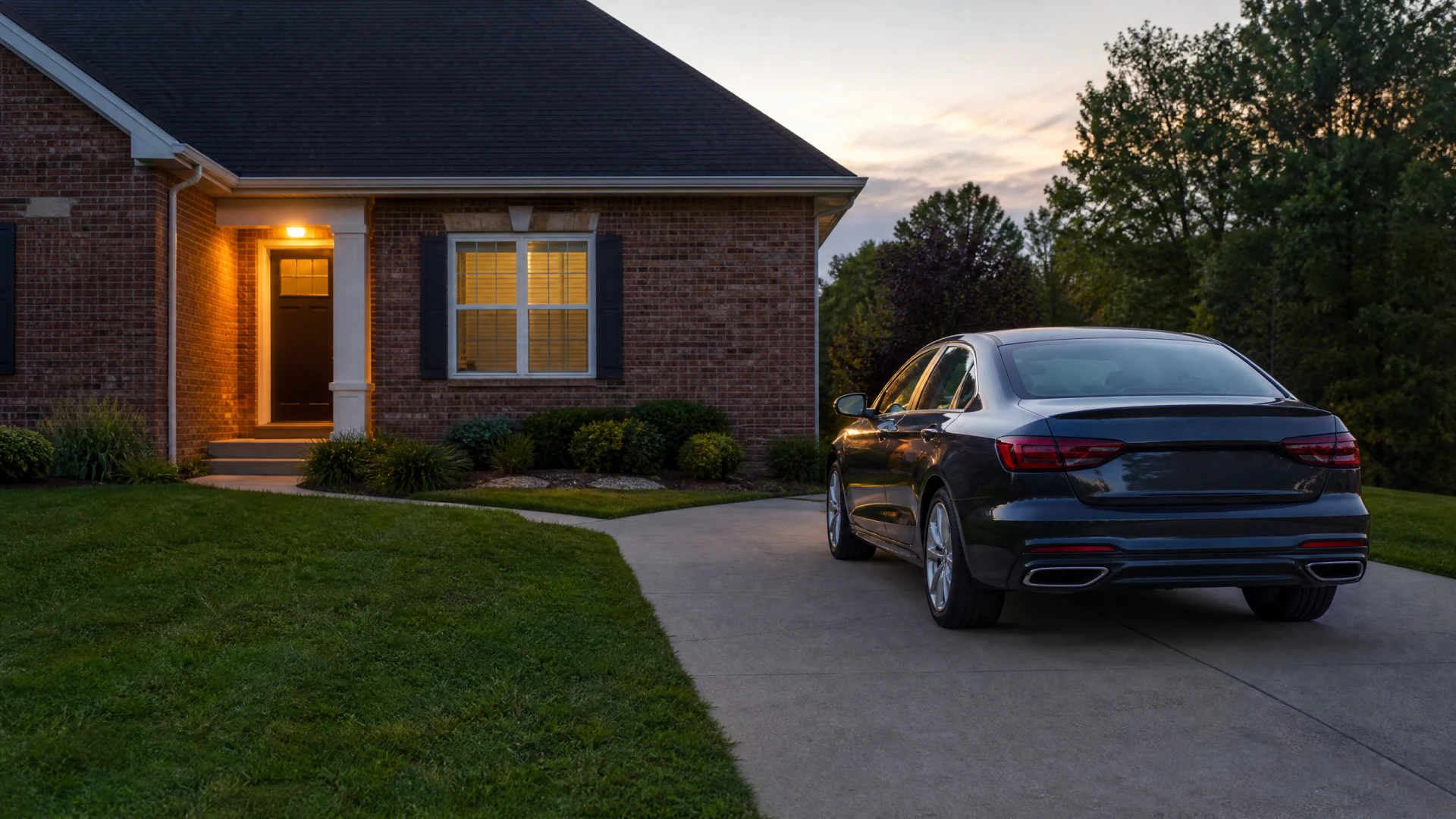
How to Get a Dementia Patient to Stop Driving
The surest way is to remove access to a working, insured car while giving the doctor or state the final word on the license.
When a diagnosis made the decision for everyone
A woman noticed her father was getting lost on familiar roads. He'd been diagnosed with early dementia the year before, but he still drove to church and the pharmacy. She didn't want to be the one who took his keys and became the villain in his eyes, so she called his doctor and asked for an evaluation that included driving safety. The doctor documented concerns and reported it, since that's required in some states and optional in others.
Once the report went in, the state required a driving test he didn't pass, and his license was suspended. She removed him as a driver on the car's policy and listed him as an excluded driver instead, which lowered the cost since he was no longer behind the wheel. She kept the car registered for a while so he could be a passenger, then sold it when he stopped asking about it. The hardest part wasn't the paperwork, it was the weeks between the diagnosis and the suspension when she had to hide the keys.

The short version
Letting a doctor or the state revoke the license works better than arguing, because it removes the decision from the relationship. Report the concern, get an evaluation, and have a plan for the car itself. Once driving stops, update the insurance policy so the parent isn't listed as an active driver.
What if my parent refuses to stop even after losing the license?
This happens more often than people expect, and it means the keys and the car itself need to become unavailable, not just the legal right to drive. A suspended license doesn't physically stop someone from starting the car.
Some families move the car, disable it, or sell it outright. Others keep it but hide keys or use a steering wheel lock, though this requires someone nearby to enforce it consistently. If your parent still drives after a suspension, you should also know that insurance may not cover a claim if the carrier learns the listed driver had no valid license, which puts other family assets at risk. Removing access to a working car is the only option that doesn't depend on your parent's cooperation.
Once your parent's driving status is settled, compare quotes to make sure the policy matches who's actually on the road.

Reporting the concern to a doctor or the state
If you do
A doctor or licensing agency can require a driving test or medical review, taking the decision out of your hands. If your parent fails, the license is suspended through an official process, not your word against theirs. This protects your relationship and gives you a document to point to if they push back.
If you don't
Your parent keeps driving on your judgment call, which they may dismiss as overcaution or interference. If an accident happens, you may face questions about what you knew and when, both from family and possibly from an insurer or court. The uncertainty tends to drag on, because nothing forces a resolution.
Why a formal process works better than asking nicely
Dementia affects judgment and insight, which means the person experiencing it often can't accurately assess their own driving decline. Asking someone to voluntarily give up driving asks them to trust a judgment their condition may be actively undermining. This isn't stubbornness in the usual sense, it's often a real inability to see the risk, which is why family requests alone frequently fail even when delivered gently and repeatedly.
A medical or state evaluation carries weight that a family member's opinion doesn't, because it comes from outside the relationship. It also protects you. If you're ever asked why your parent kept driving, having gone through a formal process shows you acted responsibly rather than waiting too long or looking the other way.
States handle this differently. Some require doctors to report a diagnosis like dementia to the licensing agency, others leave it to the doctor's discretion, and some allow family members to request a review directly. Check what your state requires and what channels exist, since this changes who you need to contact first.
The insurance side works differently depending on the carrier too. Some allow you to exclude a driver from a policy while keeping them listed as a resident of the household, which can affect what's covered if they drive anyway. Ask your insurer directly how an excluded driver is treated if they get behind the wheel, because this varies and matters if your parent doesn't stop immediately.