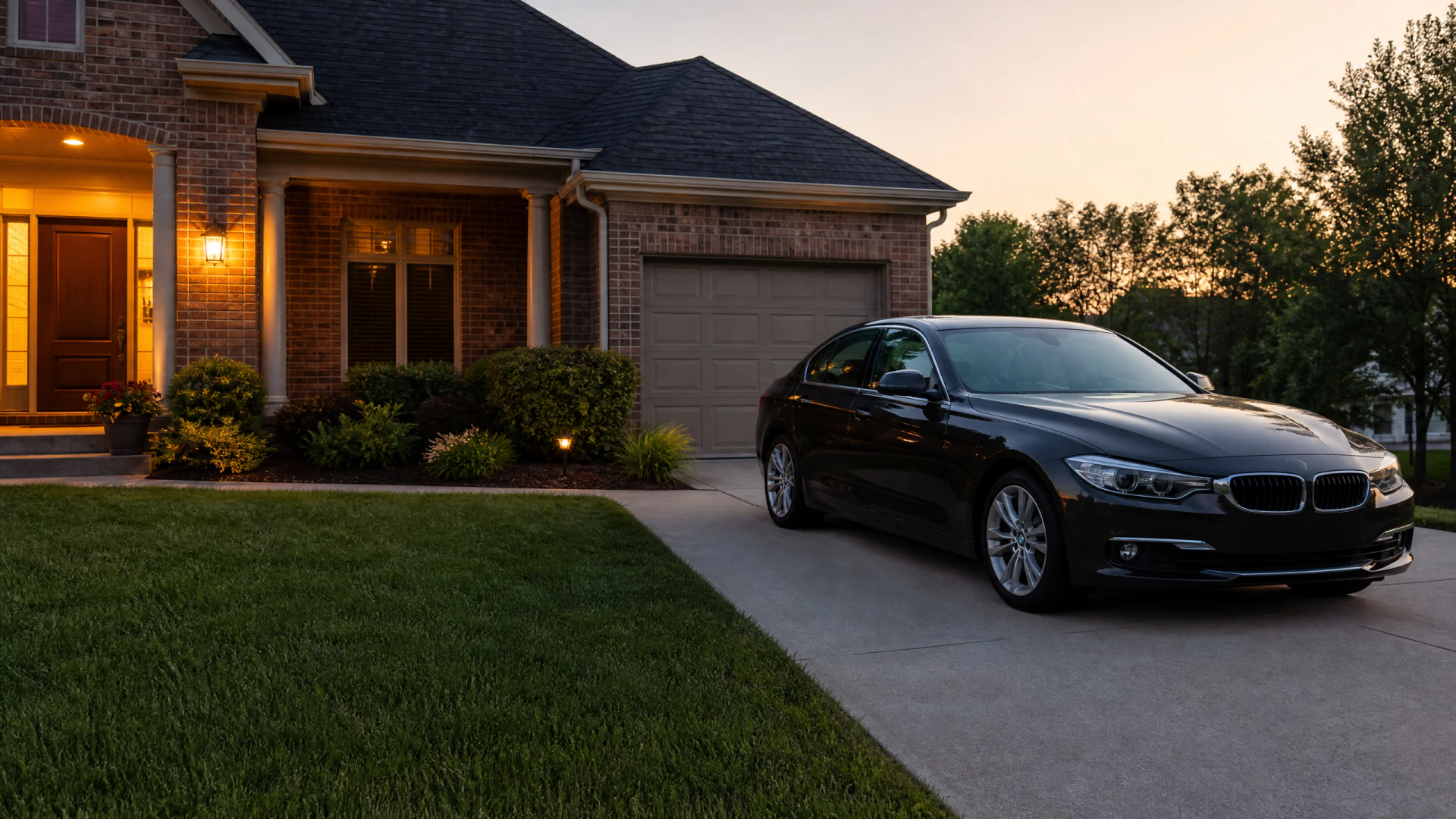
How to Put a Car in Long Term Storage
Drop the driving coverages but keep comprehensive, so your stored car stays protected against damage, theft or fire while it sits.
Why comprehensive stays and the rest can go
A parked car can't cause an accident, so liability coverage has no job to do while it's in storage. Collision coverage only pays out when the car hits something or something hits it, which also can't happen if it never moves. Dropping both saves you money for as long as the car sits unused.
Comprehensive coverage is different. It protects against fire, theft, vandalism, falling objects and weather, all of which can happen to a car that never leaves the garage. Most owners keep this coverage in place during storage because the risk doesn't disappear just because the car isn't being driven.
The tricky part is that you can't just stop driving the car and assume the policy understands that. The insurer needs to know the car is in storage, because some policies automatically assume a car is being driven unless you say otherwise. Call your insurer directly and ask for a storage policy or a change in how the car is classified, rather than guessing what applies.
State rules vary on whether a car needs any insurance at all if it's not registered or not driven on public roads. Some states let you drop coverage entirely if you surrender the plates, others require at least minimum coverage to keep the registration active. Check with your state's motor vehicle agency before you cancel anything, since letting a policy lapse without checking first can create problems if you ever want to drive the car again.
What to handle before the car sits for months
- Call your insurer first Don't just stop paying or assume coverage adjusts itself. Ask specifically about switching to comprehensive-only or a storage endorsement.
- Decide on registration Keeping plates active may require some coverage in your state. Ask your motor vehicle agency what's required if the car won't be driven.
- Document the car's condition Take photos and note the mileage before storage begins. This protects you if you ever need to file a claim for damage that happened while parked.
- Choose where it's stored A locked garage is safer than a driveway or street parking. Tell your insurer the location, since it can affect your comprehensive rate.
- Set a reminder to reactivate Mark the date you plan to drive again before storage starts. Reinstating full coverage before you drive keeps you from being uninsured on the road.

A car going into storage for the winter
Someone moving overseas for several months decided to store their car in a garage rather than sell it. They called their insurer and asked what happens if they stop driving but keep the car registered. The insurer explained that liability and collision coverage could be dropped, but comprehensive needed to stay active since the car would still be exposed to theft and fire risk while parked.
They kept comprehensive coverage, switched the car's classification to stored rather than driven, and confirmed with their state that the registration could stay active without the full policy. Before leaving, they photographed the car and noted the odometer reading in case of a future claim. When they returned months later, they called the insurer again, reinstated full coverage, and picked up the car the same day. Nothing happened to the car while it sat, but having comprehensive coverage in place the whole time meant they wouldn't have been exposed if something had.
Compare quotes for storage or comprehensive-only coverage now that you know what to keep and what to drop.
Can I cancel car insurance completely while the car is in storage?
You can in some states, but only if you surrender the registration and plates along with it. Keeping the car registered while canceling all coverage can violate state law and create a lapse that raises future rates. Check with your state's motor vehicle agency before canceling anything, and ask your insurer whether a storage-only policy might cost less than a full cancellation and future reinstatement.
Does comprehensive coverage cost much less than full coverage during storage?
Yes, because you're removing the liability and collision portions, which usually make up most of the premium. The exact savings depend on your insurer and your location, so ask for a quote specifically for comprehensive-only coverage before storage begins. Some insurers also offer a reduced storage rate that factors in where and how the car is kept.
What happens if I drive the car occasionally while it's supposed to be in storage?
You need liability coverage active anytime the car is driven on public roads, even briefly. If you plan to start it periodically or move it within a private property, that may not require full coverage, but check with your insurer first. Driving a car classified as stored without reactivating coverage can leave you uninsured if something happens during that trip.
A parked car still needs protection, just not the same kind as a car on the road.