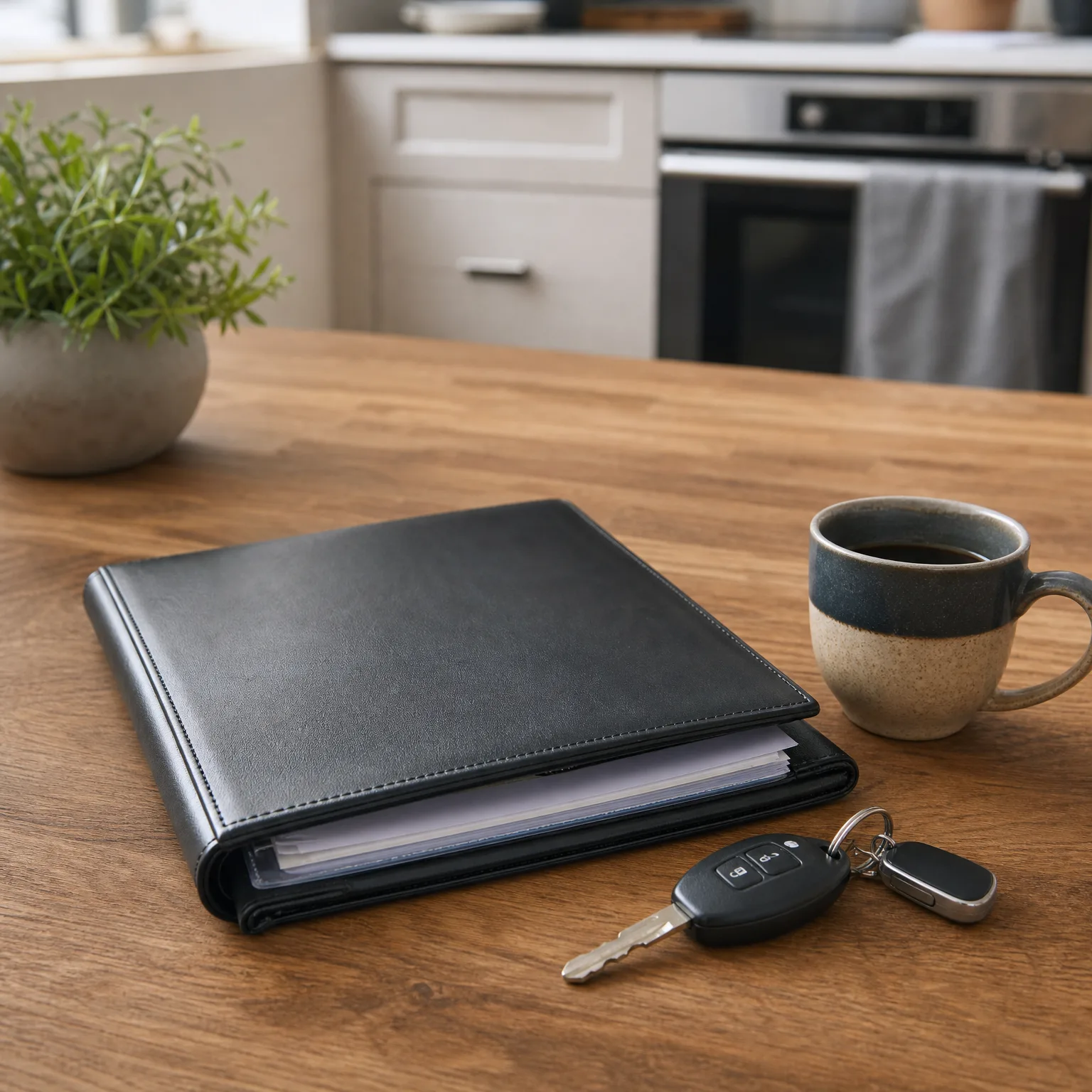
How to Tell Aging Parents Not to Drive
Lead with specific concerns and a plan for staying mobile, and loop in their insurance before the keys change hands.
The conversation goes better when the logistics are already solved
Most people resist giving up driving because it feels like losing their independence all at once. The conversation works better when you separate the two problems. First address safety, with specific examples of what worried you, not a general sense that they're too old. Then address what replaces driving, because a parent who has no plan for groceries or appointments will fight you on the safety point just to avoid the practical gap.
Insurance sits underneath this whole decision even though it's rarely the first thing families think about. If your parent stops driving but keeps the car registered and insured in their name, the policy still needs to reflect reality. Some insurers offer reduced rates for a car that's driven rarely or not at all, but you have to tell them the car is parked, not assume it adjusts automatically.
If your parent is going to stop driving for good, the car itself becomes a separate decision from the conversation. Selling it removes temptation and removes a bill. Keeping it insured but undriven, so another family member can use it occasionally, is also common, but that has to be set up correctly with the insurer rather than left as an assumption.
Where this gets complicated is when the parent agrees in the moment but drives again later, especially early on. That's not a failure of the conversation, it's typical. Having the practical plan already in place, rides arranged, keys actually relocated, makes the agreement stick instead of quietly dissolving.

What to settle before and during the conversation
- Pick your moment Choose a calm, private time, not right after a near-miss or an argument. A parent who feels ambushed will defend their driving instead of hearing you.
- Bring specifics, not feelings Vague worry invites denial. Describe exact incidents, like a dent, a missed stop sign, or a near-collision, so the concern feels concrete and hard to dismiss.
- Have the alternative ready Know how they'll get to appointments and the store before you ask them to give up the car. A plan removes their strongest argument against stopping.
- Decide the car's fate Figure out if the car gets sold, insured but parked, or used by someone else. Call the insurer once you know, since the policy needs to match what actually happens.
- Expect more than one talk Few parents agree permanently on the first conversation. Treat this as an ongoing process and revisit it instead of treating one talk as final.

Once you know what's happening with the car, compare quotes to get the coverage to match.

Telling them now versus waiting for an incident
If you do
You control the timing and the tone. You can involve them in the decision, arrange rides in advance, and adjust the insurance calmly before anything forces the issue. The transition is slower but steadier, and your parent keeps more say in how it happens.
If you don't
The decision often gets made for you, after a crash, a citation, or a frightening near-miss. At that point insurance questions get urgent and emotional at the same time, rates may be affected, and your parent loses the chance to leave driving on their own terms.
When the car sat unused for months before anyone called the insurer
A woman noticed her elderly father had stopped driving after a minor fender bender rattled him, but neither of them had said anything out loud about it being permanent. The car sat in the driveway, still fully insured as an active daily driver, while she quietly started taking him to appointments.
When she finally sat down with him to talk about it directly, he admitted he'd been relieved to stop but didn't know how to bring it up. They called his insurer together, explained the car was no longer being driven, and asked what their options were. The insurer adjusted the policy to reflect a parked vehicle, which cost less than full coverage, and they kept it that way for a while before deciding to sell the car once it was clear he wasn't going back to driving.

The car's insurance should change the moment driving stops, not whenever someone remembers to call.