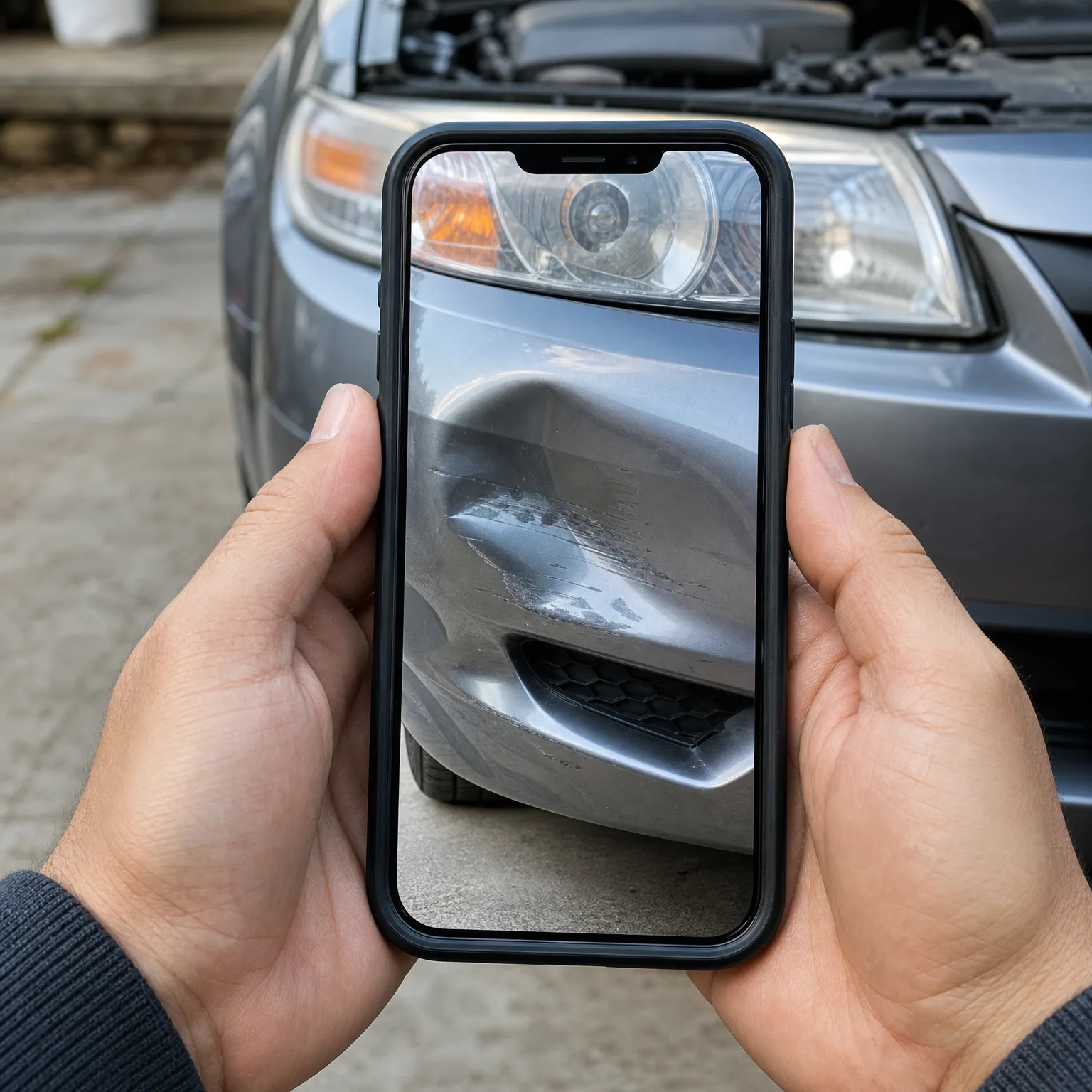
Is 250/500 Car Insurance Coverage Worth It
For most parents with savings or a home, 250/500 is worth it, since it protects what they've built if a bad accident happens.
Higher limits protect savings, not just the other driver
Liability coverage pays for the other person's injuries and damage when your parent causes an accident. The first number in 250/500 is the most the policy pays per injured person, and the second is the most it pays total for everyone hurt in one accident. A lower limit sounds cheaper right up until a real accident happens, and then the gap between what the policy pays and what's owed becomes your parent's problem, not the insurer's.
That gap matters most for someone who has something to lose. If your parent owns a home, has retirement savings, or still earns income, a lawsuit after a serious accident can reach past a low policy limit and into those assets. A higher limit like 250/500 isn't about expecting a worse accident. It's about making sure one bad afternoon on the road doesn't undo decades of saving.
There are cases where it matters less. If your parent has very few assets and no real income to protect, the case for a high limit is weaker, since there's less for a court judgment to reach. Some families still choose higher limits anyway for peace of mind, especially once a parent is driving less predictably or less often.
What counts as adequate also depends on where your parent lives and drives. Some states have different rules about minimum coverage, how claims are handled, and how much a judgment can pursue someone's assets. Check your parent's state rules and talk to the insurer about what limit fits their specific situation before deciding.

What to weigh before raising the limit
- What your parent owns If your parent has a home, savings, or investments, those are what a lawsuit could reach. List out what's at stake before picking a number.
- How often they still drive A parent driving daily has more exposure than one driving occasionally. Match the limit to how much time they actually spend on the road.
- Umbrella policy option If assets are significant, an umbrella policy stacked on top of 250/500 may cost less than you'd expect. Ask the insurer how the two work together.
- Bundling with your policy Some insurers let you add a parent to your own policy instead of keeping theirs separate. Ask what that does to limits, cost, and who's responsible for claims.
- State minimums aren't enough Minimum required coverage is often far below what a serious accident actually costs. Check your parent's state minimum and compare it honestly to 250/500.

A parent who still drives but rarely
One reader's father was elderly, still drove himself to church and the grocery store, and carried a lower liability limit he'd had for decades. He owned his home outright and had a modest retirement account. His daughter worried less about his driving ability and more about what would happen if he caused a bad accident on one of those short trips, since even a low-speed collision can cause injuries that cost more than people expect.
She called his insurer, asked what raising the policy to 250/500 would cost, and compared it against what an umbrella policy would add on top. The jump in premium was smaller than she expected, and it meant his house and savings weren't exposed if a court case ever outpaced his old limit. She kept the policy in his name, since he was still the one driving and wanted to stay in control of his own paperwork. Not long after, she helped him renew at the higher limit, and he still drives today, with both of them more at ease about what one accident could cost.
Compare quotes at 250/500 to see what raising your parent's coverage would actually cost.

Should I add my parent to my own car insurance policy?
It depends on whether your parent still owns and drives their own car. If they do, keeping the policy in their name usually makes more sense, since it keeps their driving record and claims separate from yours. Adding them to your policy can make sense if they've moved in and share a vehicle with you, but ask the insurer how it affects your premium, your limits, and who's liable if they're in an accident. Check both options directly with an agent before deciding.
What happens to my parent's insurance if they stop driving?
If your parent stops driving but keeps the car, they can often switch to a lower-cost policy that only covers the car while parked, not while driven. If they sell the car, they can cancel the policy entirely, though check for any cancellation terms first. If they keep driving occasionally, don't let the policy lapse, since a gap in coverage can raise rates later. Confirm with the insurer what changes are available once driving slows down or stops.
Can I be held responsible if my parent causes an accident?
Generally no, not simply because you're their child or you manage their paperwork. Liability usually falls on the policyholder and driver, not the family member helping with bills. That can change if you're a co-signer on the policy, listed as a co-owner of the car, or if you were the one who lent them the car knowing they shouldn't drive. Check the policy terms and your state's rules on vehicle owner liability to know where you actually stand.
The real risk isn't the accident itself, it's what a low limit leaves exposed afterward.