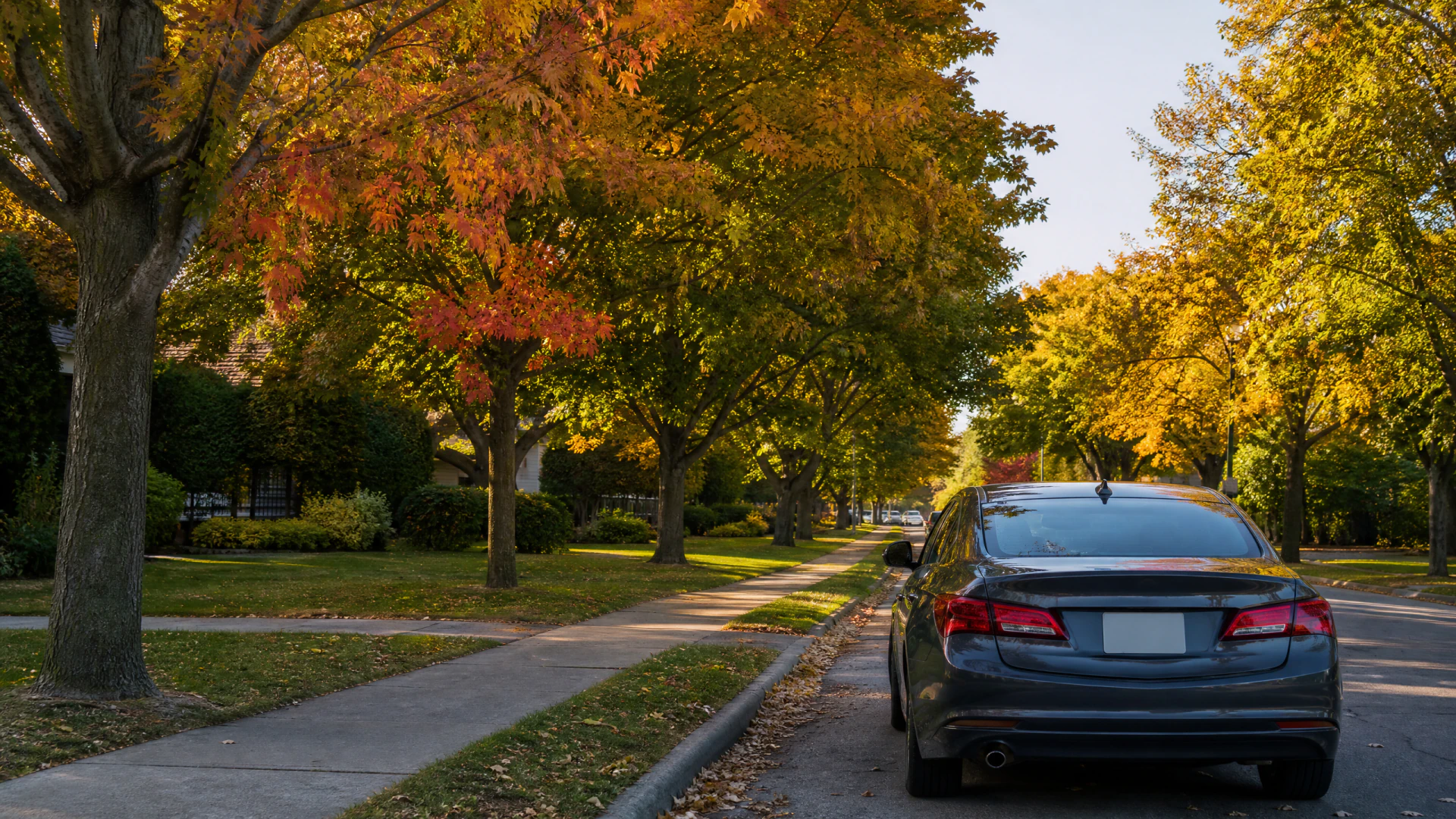
Is It Okay to Store a Car for 6 Months
Yes, it's okay to store a car for six months, as long as you keep the right coverage in place the whole time.
The coverage decision matters more than the storage itself
Storing a car for six months is completely normal, and insurers deal with this situation constantly, especially for parents who drive less or have stopped driving but still own the vehicle. The real question isn't whether storage is allowed. It's what kind of coverage the car needs while it sits unused.
A parked car still faces risks that have nothing to do with driving. Fire, theft, falling branches, vandalism and weather damage can all happen in a closed garage or a driveway. This is why dropping coverage entirely is usually the wrong move, even though it feels logical for a car that isn't moving. Most insurers offer a reduced coverage option that keeps the car protected against these non-driving risks while removing the parts of the policy tied to active use.
What you call this coverage and how it's structured varies by insurer and sometimes by state, so you'll want to ask directly what options exist for a vehicle that won't be driven for an extended period. Some insurers let you adjust coverage temporarily and restore it later with no penalty. Others may have rules about how long a reduced policy can stay in place before something changes.
There are cases where keeping full coverage still makes sense, particularly if the parent might resume driving sooner than planned, or if the car will be moved occasionally for maintenance. The right path depends on how certain you are that the car will stay parked, and how quickly you'd need coverage restored if that changes.

A parent's car sits unused after a move to assisted living
A woman's father moved into an assisted living community for the winter, and his car stayed in his garage at home. She had taken over his bills a year earlier and knew the policy was still active in his name. She wasn't sure if it made sense to keep paying for full coverage on a car that wouldn't be driven for six months, but she also didn't want to leave it with no protection at all.
She called the insurer, explained the situation, and asked about options for a vehicle that would be parked and unused. They adjusted the policy to keep protection against theft, fire and weather damage, while removing the liability and collision portions tied to driving. The cost dropped noticeably, and she set a reminder to revisit the policy before spring, when her father might return home and want the car available again. When that time came, restoring full coverage took a single phone call, and the car had stayed protected the entire time it sat idle.

Whether you adjust the policy instead of canceling it
If you do
The car stays protected from fire, theft and weather damage the entire time it's parked, even though no one is driving it. You likely pay less than a full policy, and reinstating complete coverage later is usually fast and simple, often just a phone call before the car is driven again.
If you don't
Canceling entirely leaves the car completely unprotected. A storm, fire or theft during those six months means paying out of pocket for repairs or replacement. Restarting a lapsed policy can also be more complicated, and some insurers treat a gap in coverage differently than a continuous policy that was simply adjusted.
Compare quotes now that you know how to keep a parked car protected without paying for coverage it doesn't need.

Will a lapse in coverage affect my parent's insurance rates later?
It can, depending on the insurer and how long the lapse lasts. Some insurers treat any gap as a sign of higher risk, which can raise future rates even if nothing happened during the lapse. This is one reason adjusting coverage instead of canceling it outright is usually safer. If you do let a policy lapse, ask the insurer directly how they handle reinstatement and whether the gap will affect pricing before you decide.
Does the car need to be registered while it's in storage?
That depends on your state, since registration rules for unused vehicles vary widely. Some states allow a reduced or non-operational registration status for cars that won't be driven, which can also lower fees. Check with your state's motor vehicle agency to see what's required, because driving an unregistered car later, even briefly, could create legal problems separate from the insurance question.
Who is responsible if something happens to the car while it's parked?
Whoever's name is on the policy and the title is responsible, so if the car is still in your parent's name, the obligation and any claim process fall to them, not you. This matters if you're managing the account but not legally on the policy. If you're handling everything day to day, ask the insurer what authority you have to make changes or file a claim on your parent's behalf.
A parked car isn't a car with no risk, it's a car with a different risk, and the policy should match it.