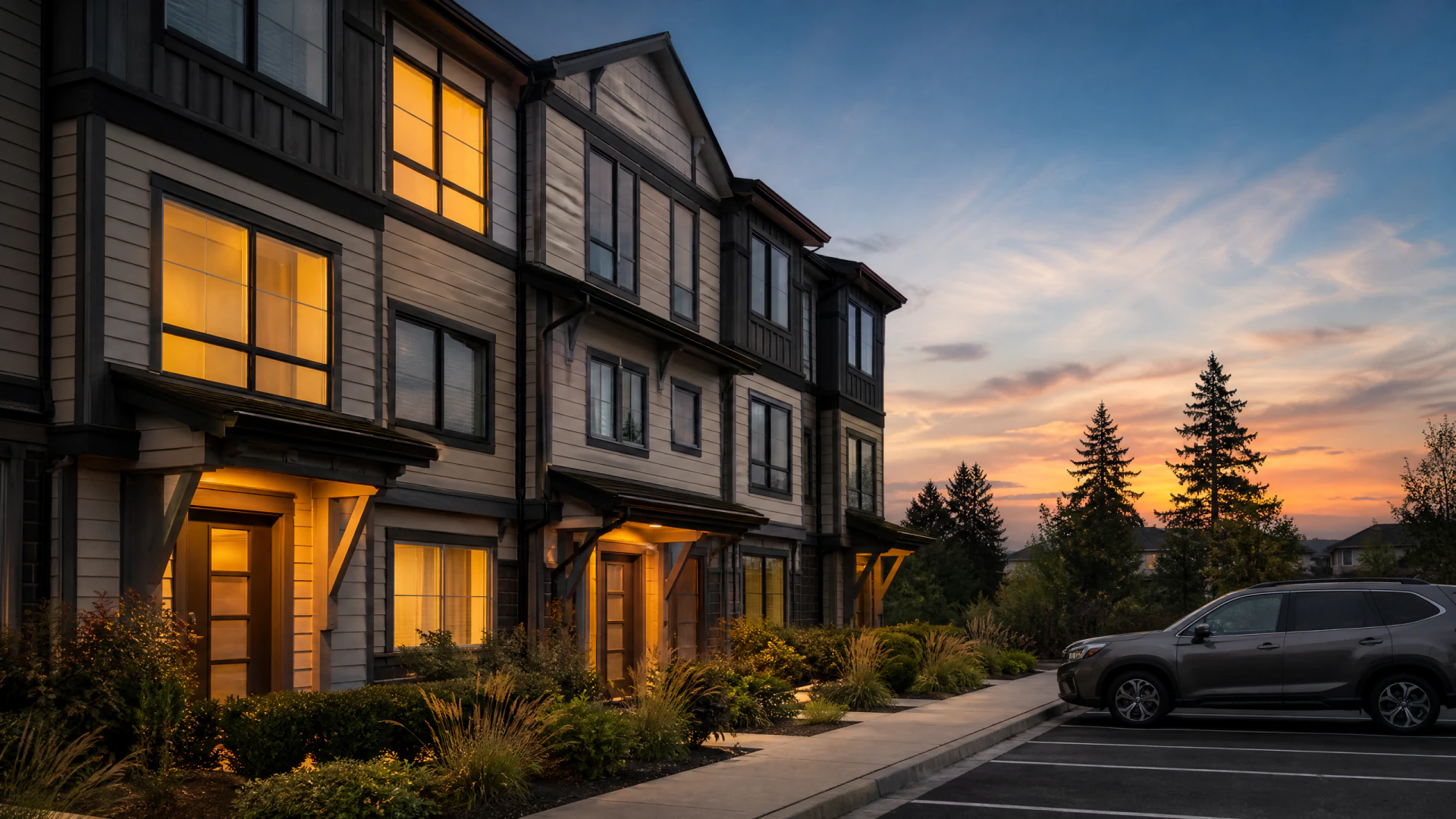
Is It Okay to Store a Car in an Unheated Garage
Yes, an unheated garage protects the car well, you just need to adjust coverage and upkeep for the cold.

What to check before you leave the car parked all winter
- Comprehensive coverage stays on If the car sits unused, you might be tempted to drop coverage. Keep comprehensive, since falling branches, rodents and theft don't care if the engine runs.
- Battery drain in cold weather Unheated garages still get cold enough to weaken a battery that sits idle. Ask whether a trickle charger or occasional short drive is worth doing, especially if the parent won't be starting it often.
- Storage or reduced-use policies Some insurers offer a lower rate if a car is parked and not driven regularly. Ask the insurer directly what counts as storage and what proof they need.
- Tire pressure and fluids Cold air drops tire pressure and can stress old fluids. Check pressure before long idle stretches and ask a mechanic if fluids need a cold-weather swap.
- Who's named on the policy If the parent stops driving for the season, the policy still needs an active named insured. Confirm whether that's the parent, you, or both, so a claim doesn't get delayed.
Does the car need to be driven occasionally even if it's stored all winter?
Yes, most mechanics and insurers agree that an idle car benefits from being started and briefly driven every so often, even in an unheated garage. The cold itself doesn't damage a parked car much, but inactivity does. Batteries lose charge faster in cold temperatures, fluids settle, and tires develop flat spots if the car never moves.
If the parent isn't up for this, you don't need to do it yourself every week. A short drive every few weeks is usually enough to keep the battery charged and the mechanical parts from seizing up. If driving isn't realistic for either of you, ask a mechanic about a battery maintainer, which handles the charge issue without anyone needing to start the car at all. The coverage question matters more than the driving question, so settle that first, then decide on a maintenance routine that fits what's actually realistic for your situation.

Once you know how storage affects coverage, compare quotes to find a policy that fits how the car will actually be used.
When a parent's car sits through a Minnesota winter
A woman noticed her father had stopped driving after a minor fender bender shook his confidence. He didn't want to sell the car, and she didn't want to push him into a decision before he was ready. The car sat in his unheated garage for the season while he decided what he wanted to do.
She called his insurer to ask if anything needed to change. They confirmed comprehensive coverage should stay active since the car was still exposed to weather and theft risk, and the agent mentioned a reduced-use adjustment since the car wasn't being driven. She also asked a mechanic about the battery, who suggested a maintainer since nobody was planning to start the car regularly. By spring her father decided he wanted to start driving again on familiar local roads, and the car started right up because she had kept the battery maintained through the cold months. The policy never lapsed, and the decision about his driving stayed entirely his.
Why storage changes the insurance question, not the car
Cold air alone doesn't damage a parked car much. Metal and rubber handle temperature swings fine over a season, as long as moisture doesn't get trapped and freeze repeatedly. What actually causes problems is inactivity combined with cold, which is a maintenance issue more than an insurance one.
The insurance question is separate and matters more. A car sitting in a garage still needs comprehensive coverage, because theft, fire, and weather damage don't require the engine to be running. Some people drop coverage entirely when a car isn't driven, which leaves the parent exposed if something happens to the car while it sits there.
Where this gets specific to your situation is the reduced-use or storage adjustment some insurers offer. Not every company has this, and the rules for qualifying vary, so you'll need to ask the parent's insurer directly what they offer and what proof they want, like mileage records or confirmation the car isn't being driven regularly.
The other variable is who's listed as the named insured. If the parent isn't driving for a season but the policy is still in their name alone, make sure someone is managing renewals and payments so coverage doesn't lapse while everyone assumes someone else is handling it.
An idle car still needs active coverage, so don't let storage talk you into dropping it.