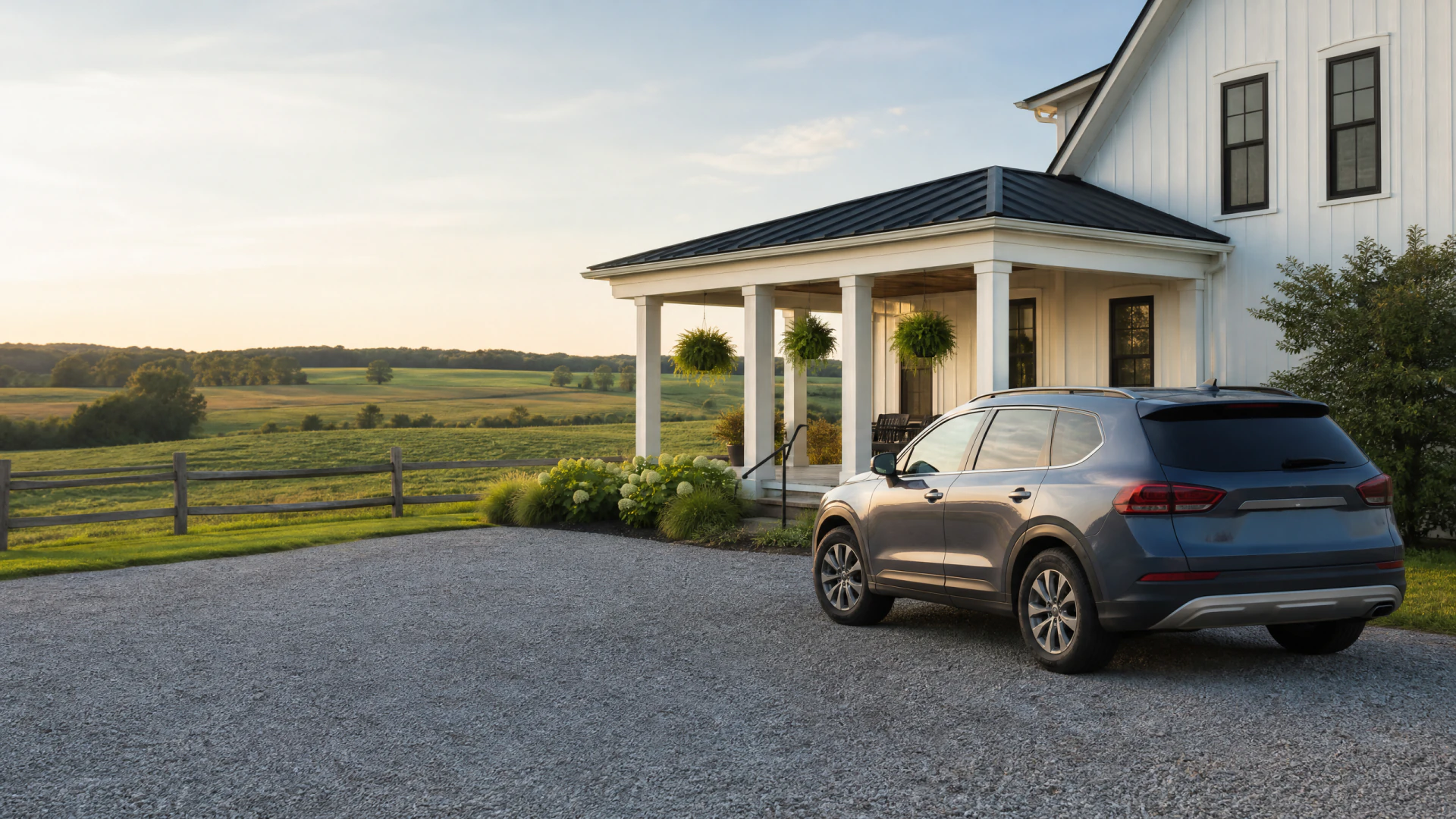
Should I Keep My Parents 20 Year Old Car
Keep the car if it still runs safely and insuring it costs less than replacing it, otherwise it's time to let it go.
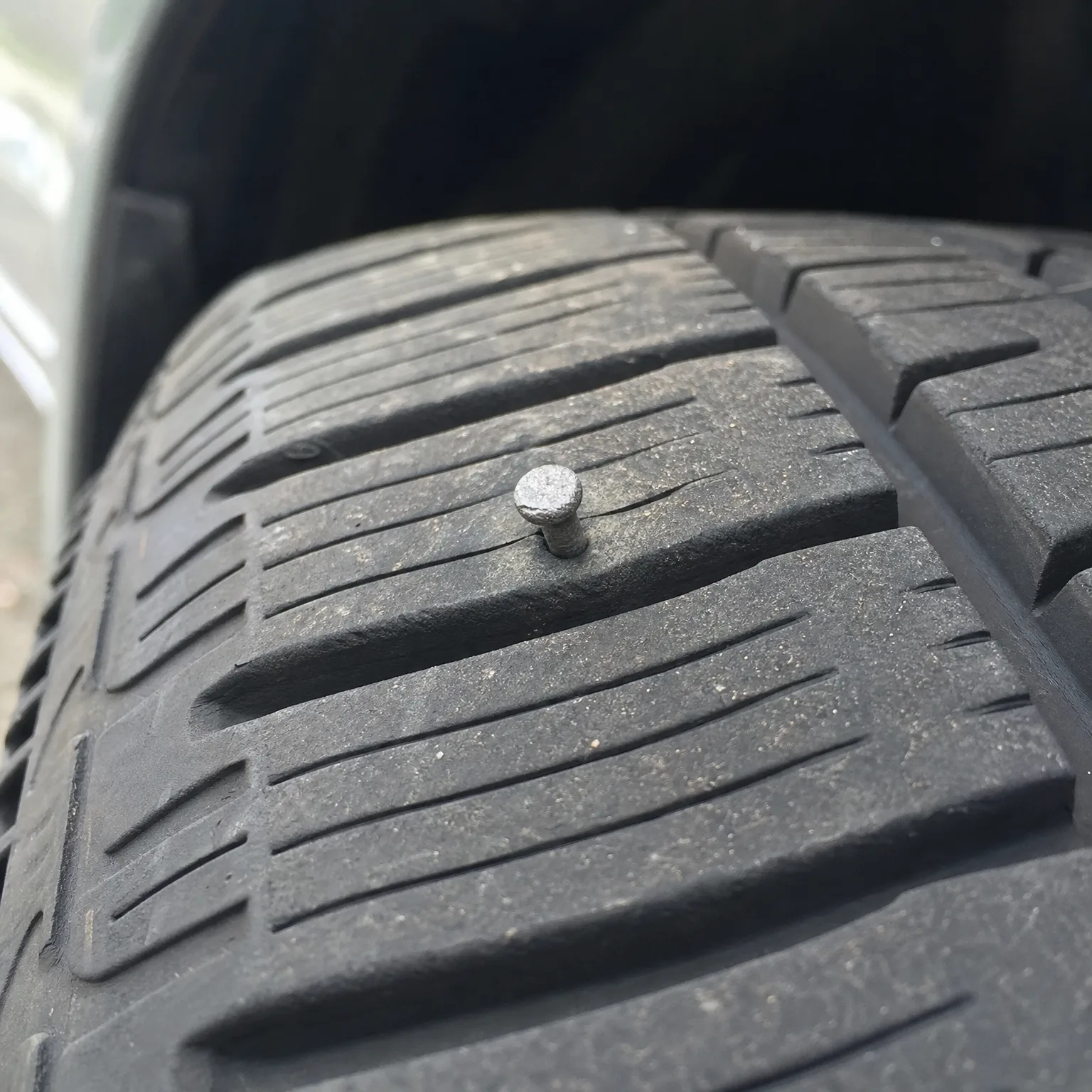
What actually decides whether the car is worth keeping
- What the car is worth now A twenty year old car may be worth very little even if it runs fine. Look up its actual value before deciding anything, since that number changes what kind of coverage makes sense.
- What coverage it still needs Once a car's value drops low enough, full coverage often costs more than it would ever pay out. Ask the insurer what the car would be worth in a claim, then compare that to what you'd pay for comprehensive and collision over a year.
- Who is actually driving it If your parent is driving less or not at all, the policy should reflect that. A lower mileage or occasional use designation can lower the cost significantly, so tell the insurer the real pattern.
- What repairs are coming Older cars tend to need more frequent repairs, and parts can be harder to find. Get a sense of what's likely to break next and what it would cost, since that's often the real reason to retire a car.
- What replacing it would cost Keeping an old car only makes sense if replacing it costs more than keeping it running. Price out a comparable used car so you're comparing real numbers instead of guessing.
A son decides whether his father's sedan is still worth it
David's father had driven the same sedan for over two decades. It still started every morning, but David noticed the brakes needed work and the air conditioning had stopped functioning the summer before. His father insisted it was fine, and in some ways it was, but David wanted to know whether fixing it made more sense than replacing it.
He started by checking what the car was actually worth, which turned out to be far less than he expected. Then he called the insurer and asked what coverage made sense at that value, and dropped comprehensive and collision once he saw the numbers didn't justify the cost. He also asked about lowering the mileage estimate, since his father mostly drove to church and the grocery store now. The brake repair cost less than a month of full coverage would have, so he paid for it and kept the car another year. When the transmission started slipping the following spring, that calculation flipped, and they began shopping for something newer instead.

Once you know the car's value and coverage needs, compare quotes to see what keeping or replacing it actually costs.
Why age isn't really the question
An old car isn't a problem by itself. What matters is the relationship between three things, how much the car is worth, how much it costs to keep insured and repaired, and how much driving your parent still does. A car can be ancient and still make financial sense if it's paid off, reliable, and barely used. A much newer car can be the wrong choice if it's expensive to insure for very little benefit.
Insurance pricing reflects this directly. Once a car's value drops, paying for coverage that replaces or repairs it stops making sense, because the payout is capped at what the car is worth. This is why so many old cars end up with only liability coverage. It's not a lesser choice, it's usually the mathematically correct one once the car's value has fallen far enough.
The exception is when the car has value beyond the market price. Some families keep an old car running because it's the only vehicle a parent trusts, or because replacing it would mean a difficult conversation about giving up driving altogether. In those cases, the decision isn't purely financial, and that's worth naming honestly rather than pretending it's only about numbers.
What changes the answer is usually a shift in how the car is used. If your parent starts driving far less, or stops entirely, the calculation resets. A car that made sense for daily errands may not make sense sitting in a driveway. That's the moment to revisit coverage and value again, rather than assuming the original decision still holds.
The car's age doesn't matter nearly as much as what it's worth and how much it's still driven.
What happens to the insurance if my parent stops driving the car?
You don't have to cancel the policy right away, but you shouldn't keep paying for full driving coverage either. Most insurers offer a reduced policy for cars that are parked and not driven, sometimes called storage or non-operational coverage. It protects against things like theft, fire, or weather damage without charging for the driving risk that no longer applies.
If your parent stops driving for good, the better move is usually to decide whether to sell the car, transfer it, or keep it for occasional use by someone else in the family. Call the insurer and explain the situation plainly, since they can tell you what documentation they need and what coverage actually fits a car that's no longer being driven regularly. Waiting too long to make this change usually just means paying for coverage nobody needs.