
Sold My Car but Forgot to Cancel Car Insurance What to Do
Call the insurer now, remove the car from the policy, and confirm in writing that the coverage and the premium for it have both stopped.
Why the policy doesn't end on its own
A car insurance policy is tied to the vehicle and the person named on it, not to who currently owns the car. When your parent sold the car, nothing automatically told the insurer the sale happened. Until someone calls and says so, the policy keeps running exactly as it was, including the premium, because as far as the insurer knows nothing has changed.
This matters more than it seems because an active policy on a car your parent no longer owns isn't just wasted money. If the new owner hasn't registered or insured the car yet and something happens with it, you don't want any confusion about who was covered and who wasn't. Cleaning this up removes that ambiguity completely.
Most insurers will prorate the refund back to the date of sale once you tell them, so you aren't paying for coverage on a car that isn't your parent's anymore. How that refund works, whether it comes as a check or credit, and how quickly it's processed can vary by insurer, so ask directly rather than assuming.
If your parent still has other cars or plans to get another one, the easier path is usually to remove the sold car from the existing policy rather than cancel everything. That keeps continuous coverage history intact, which matters for future rates. If your parent is done driving entirely, then a full cancellation is the right move, and you'll want that confirmed in writing too.

The short version
The policy doesn't cancel itself when a car is sold, so call the insurer and remove the car or cancel the policy now. Ask for written confirmation and a refund for any overlap. If your parent has another car, removing just the sold one keeps their coverage history continuous.
A sold car, a month of overlap, and a fixed policy
Your parent sold their car three weeks ago and mentioned it in passing, but nobody called the insurance company. You noticed it on a recent statement, still showing the full premium. You called the insurer, gave them the sale date, and asked them to remove that car from the policy as of that day.
The insurer adjusted the policy and issued a partial refund for the weeks after the sale, since your parent had been paying for coverage on a car that was no longer theirs. You asked for an email confirming the change and kept it with your parent's other paperwork. Your parent didn't buy another car right away, so the policy just reflects what they actually own now, and if they do get a new car later, adding it back is a quick call rather than starting over.
With the sold car off the policy and the refund settled, compare quotes to confirm what's left is priced right.

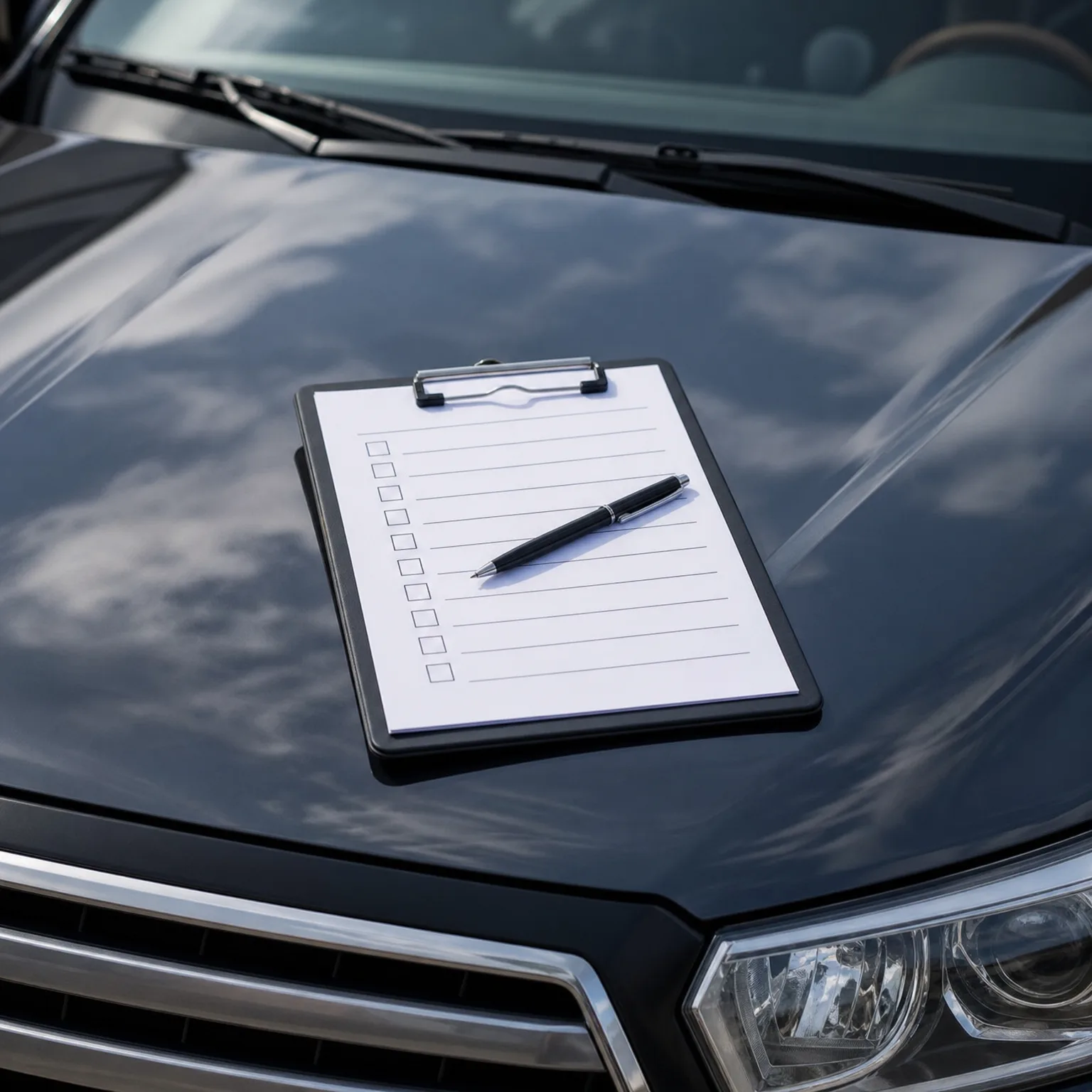
What to confirm before you consider this done
- Sale date on file The insurer needs the exact date the car was sold to calculate any refund correctly. Give them the date from the sale paperwork, not the date you happened to call.
- Written confirmation A phone call isn't enough proof the policy changed. Ask for an email or letter confirming the car was removed or the policy canceled, and save it.
- Refund or credit status Ask whether the refund comes as a check, a credit, or applies to a remaining balance. How this works can vary by insurer, so don't assume it's automatic.
- Remaining coverage check If your parent still drives another car, confirm that policy still fits their actual situation now that one car is gone. This is a natural point to re-check rates too.
- New owner's coverage Make sure the buyer has their own insurance in place, since your parent's old policy shouldn't be the only coverage protecting that car going forward.
An unused policy doesn't protect anyone, it just keeps charging you quietly, so the fix is one call away.