
What Constitutes an Occasional Driver
An occasional driver is someone listed on the policy who drives the car sometimes but isn't its main or regular operator.
Insurers rank drivers by how much they actually drive the car
Every car on a policy needs a primary driver, the person who drives it most. Insurers also want to know about anyone else who drives it regularly, even if less often, because that person's habits and history affect the risk on that car too. An occasional driver is someone who fits that second category. They're not borrowing the car once in a while with permission, they're a known, recurring driver who just isn't behind the wheel as much as the primary one.
This distinction exists because insurers price risk per driver, not just per car. If your parent drives their own car most of the time but you sometimes drive it when you visit or take them to appointments, you may need to be listed as an occasional driver on their policy. The reverse is also true. If your parent sometimes drives your car, they may need to be listed on yours.
What counts as occasional versus regular isn't fixed. Insurers differ on where that line falls, and some ask for an estimate of how often someone drives the car, while others go by whether the person has reliable access to it. If your parent still drives regularly but not daily, that could count as occasional with one insurer and regular with another.
The safest approach is to tell the insurer the real pattern and let them classify it. Leaving a known recurring driver off the policy entirely is the mistake to avoid, because it can affect a claim if that person is driving at the time of an accident. Being listed as occasional, when that's accurate, usually costs far less than being listed as primary.
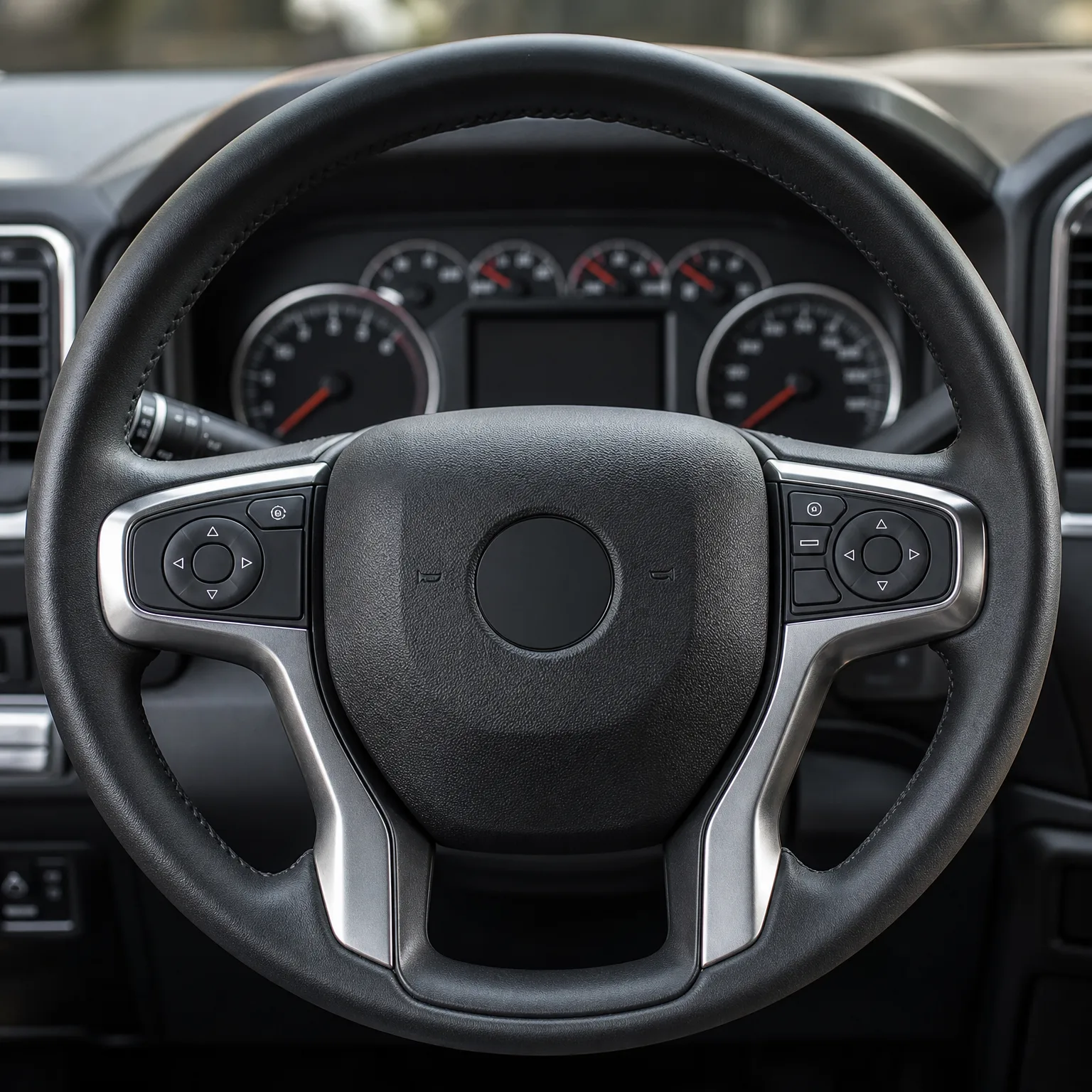
When a parent's weekend driver needed to be added
A woman took over her father's insurance paperwork after he moved to a condo near her. He still drove himself most days, but she started taking his car on weekends to run errands for him and occasionally drove him to appointments during the week. She wasn't sure if that counted as enough to need to be on his policy.
She called his insurer and described the actual pattern, a car used now and then, not a regular commute. They classified her as an occasional driver on his policy, which took little time to add and didn't significantly change the premium. Later she was driving his car when another driver ran a stop sign and hit them. Because she was properly listed, the claim went through without any dispute over who was driving or why. Her father was relieved the paperwork had been handled before it mattered, not after.
Does adding an occasional driver raise the premium a lot?
Usually not by much, and often less than people expect. Occasional drivers are priced lower than primary drivers because the insurer is weighing less exposure, fewer miles, less frequent use, lower chance that person is behind the wheel on any given day. The cost impact mostly depends on that person's own driving record and age, not just the fact that they're being added.
What can raise the cost more is if the insurer decides, based on how often you say the person drives, that they're actually closer to a regular driver than an occasional one. That's why accuracy matters when you describe the pattern. If you're unsure which category fits, ask the insurer directly what their cutoff is and compare that to how often the driving actually happens.
Once you know how your parent's driving fits, compare quotes to see how it affects the policy.

What to check before you decide how to list the driver
- How often it really happens Think in terms of days per month, not a vague impression. Insurers want a real estimate, and having one ready makes the call faster and the classification more accurate.
- Whose car is being driven The classification applies per car, not per person overall. If your parent drives your car sometimes and you drive theirs sometimes, both policies may need an entry.
- Each insurer's own definition There's no single rule for what counts as occasional. Ask the specific insurer where they draw the line before assuming your situation qualifies.
- If the pattern shifts later If your parent drives less over time, or you start driving their car more, the classification may need to be updated. Review it when the pattern noticeably changes, not just once.
- State rules may differ Some states have their own rules about who must be listed on a policy. Check with the insurer or a local agent if you're unsure what your state requires.

Does an occasional driver need their own insurance policy?
No, an occasional driver is typically covered under the policy they're listed on, not a separate one of their own. If your parent has their own car and policy and only occasionally drives yours, they may need to be listed on yours instead of needing a new policy entirely. The exception is if they own a car themselves, in which case that car needs its own policy regardless of how often they drive it. Check with the insurer which arrangement applies to your specific setup.
What happens if an unlisted driver gets into an accident?
It can complicate or delay the claim, and in some cases reduce what gets paid out. Insurers expect known, recurring drivers to be disclosed, and finding out after an accident that someone was driving regularly without being listed can raise questions about the whole policy. This doesn't always mean a denied claim, but it adds friction at the worst possible time. If there's any uncertainty about whether someone should be listed, ask the insurer before an accident happens, not after.
Can my parent remove themselves as a driver once they stop driving?
Yes, and this is common once someone stops driving regularly or at all. If your parent keeps the car but no longer drives it, the policy can often be adjusted to reflect that, sometimes lowering the cost. If they stop driving entirely and the car is sold or given away, the policy itself may need to be canceled or transferred. Talk to the insurer about the specific change so the paperwork matches the real situation.