What Counts as Proof of Garaging Address
Proof of garaging address is any document showing where the car is kept overnight, usually mail or a government record with her name on it.

These documents usually satisfy an insurer's request
- Vehicle registration This is the first thing an insurer checks because it already lists an address tied to the car. If your parent moved in with you and hasn't updated it yet, that's the first thing to fix.
- Driver's license A license with the current address backs up the registration and is often enough on its own. If hers still shows an old address, renewing it should be a near-term priority.
- Utility or mail in her name A recent bill, bank statement, or piece of official mail addressed to her at the garaging address works well. It shows she actually receives mail there, not just that she visited.
- Lease or mortgage document If she moved in with you permanently, a lease amendment or a notarized statement from you as homeowner can confirm the address. Ask the insurer what wording they want before you submit it.
- A signed statement from you Some insurers will accept a simple letter stating the car is kept at your address overnight. This usually works as backup, not as the only proof, so pair it with one official document.
What if her mailing address and garaging address are different?
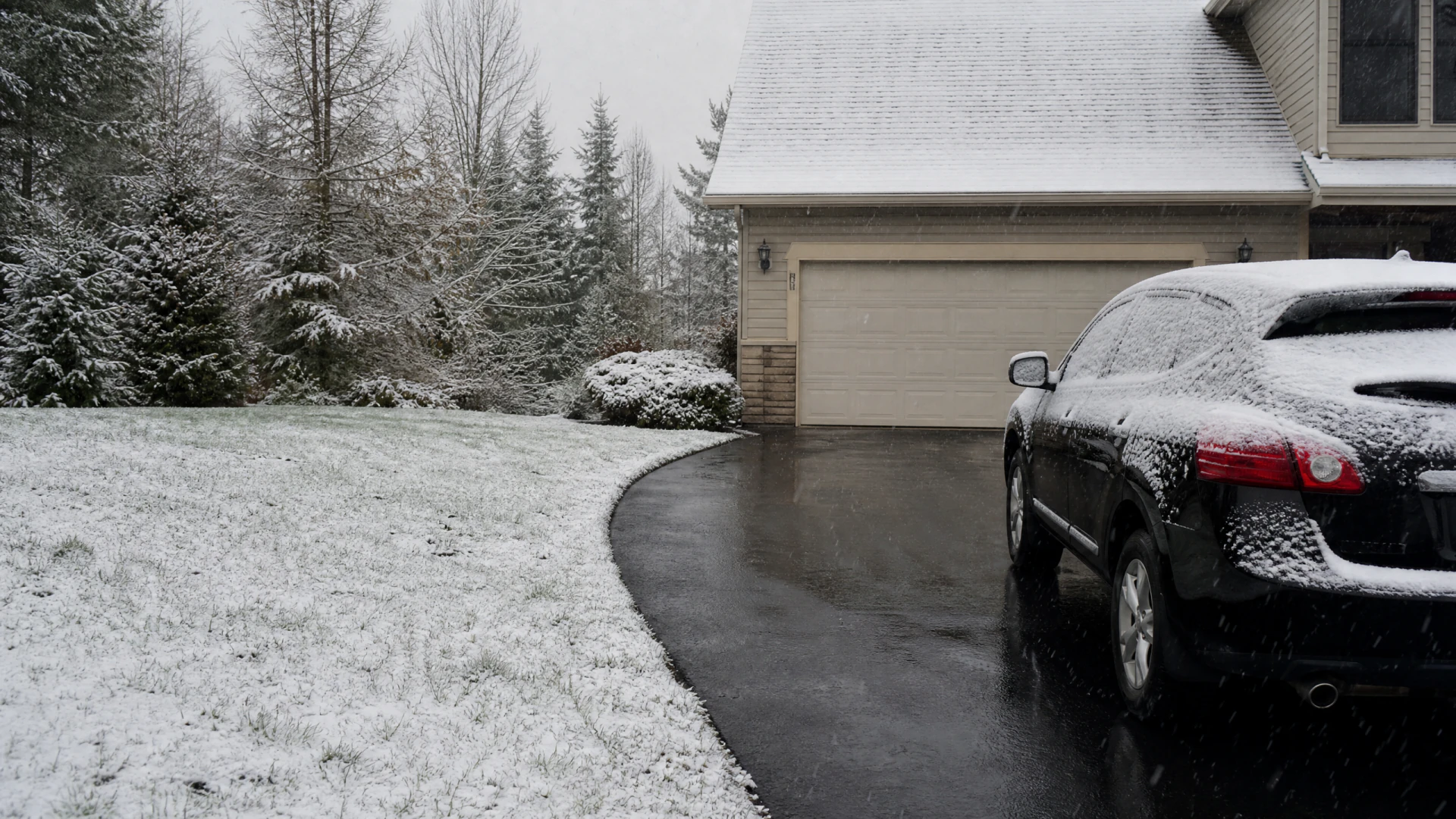
This happens often when a parent keeps a permanent mailing address, maybe a prior home or a relative's address, while the car actually stays somewhere else overnight, like your driveway. Insurers care about the second one. The garaging address is about risk, where the car is parked most nights, since that affects theft rates, weather exposure, and local accident patterns. It doesn't need to match her driver's license or voter registration.
Tell the insurer both addresses and be clear about which one is where the car sleeps. If you're not sure which address they're using right now, ask directly, because a mismatch discovered after a claim is a much harder conversation than one cleared up at renewal. Keeping this accurate protects coverage more than almost anything else about the policy.

Once you know her garaging address is accurate and documented, compare quotes with that settled.

When a parent moves in gradually, not all at once
Say your mother sold her house last spring and has been staying with you since, but her mail still goes to a P.O. box she's had for years and her license still lists her old town. The car sits in your driveway every night now. You call her insurer to ask about a rate change and they ask for proof of garaging address, and you realize nothing you have matches where the car actually is.
You start with the easiest fix, which is her license, and take her to renew it with your address. Then you pull together a piece of mail that's already arrived for her there, a card from a doctor's office, and send that along with the renewed license. The insurer updates the file and the rate adjusts to reflect the new location, which in this case was a quieter area with less traffic, so the premium actually came down. The whole process took about two weeks, mostly waiting on the license renewal.
Insurers want proof because the address changes their risk bet
Car insurance pricing is built around risk, and a huge part of that risk comes from where a car is parked overnight. A vehicle kept in a dense urban area with more theft and more accidents costs more to insure than the same car parked in a quiet suburban driveway. When your parent's address changes, the insurer's whole risk calculation changes with it, so they want documentation, not just a phone call, before they adjust anything.
This is also about preventing fraud. Address shopping, where someone claims to garage a car somewhere safer than it actually sits, is common enough that insurers build verification into the process. Proof protects honest policyholders too, because it keeps the pricing pool accurate for everyone paying into it.
What counts as sufficient proof varies by insurer and sometimes by state, so don't assume one document is always enough. Some insurers want two matching pieces of documentation, others accept one strong one like a renewed license. If your parent's living situation is in flux, maybe staying with you temporarily while deciding on a longer-term plan, ask the insurer how they handle a provisional or temporary address, since that's a different conversation than a permanent move.
The cases where this gets complicated usually involve a parent who splits time between two homes, like yours and a sibling's, or who is in a transition like selling a house slowly. In those cases, be upfront with the insurer about the uncertainty rather than guessing at an address, because an inaccurate garaging address discovered during a claim can affect how the claim is handled.
Does the garaging address have to match the policyholder's legal address?
No, it doesn't have to match a legal or mailing address, only reflect where the car is actually kept overnight. This is common when someone has a permanent address for mail or voting but lives somewhere else temporarily or seasonally. What matters to the insurer is accuracy about the car's location, not consistency across every document. Always confirm with the specific insurer since some ask follow-up questions when addresses differ.
Can I use my address if my parent's car is insured on my policy?
Yes, if the car is added to your policy and kept at your home, your address becomes the garaging address for that vehicle. You'll likely need to show proof the same way, often your utility bill or mortgage statement works since the policy is in your name. Check with the insurer about whether your parent also needs to be listed as a driver or owner on file.
What happens if the garaging address is wrong when a claim is filed?
An inaccurate garaging address can complicate or delay a claim, since the insurer priced the policy based on incorrect risk information. It doesn't always void coverage, but it can lead to questions, an adjusted payout, or a request to correct the policy before the claim proceeds. The outcome depends on the insurer and how significant the address difference turns out to be, so correcting it as soon as you notice is the safer move.