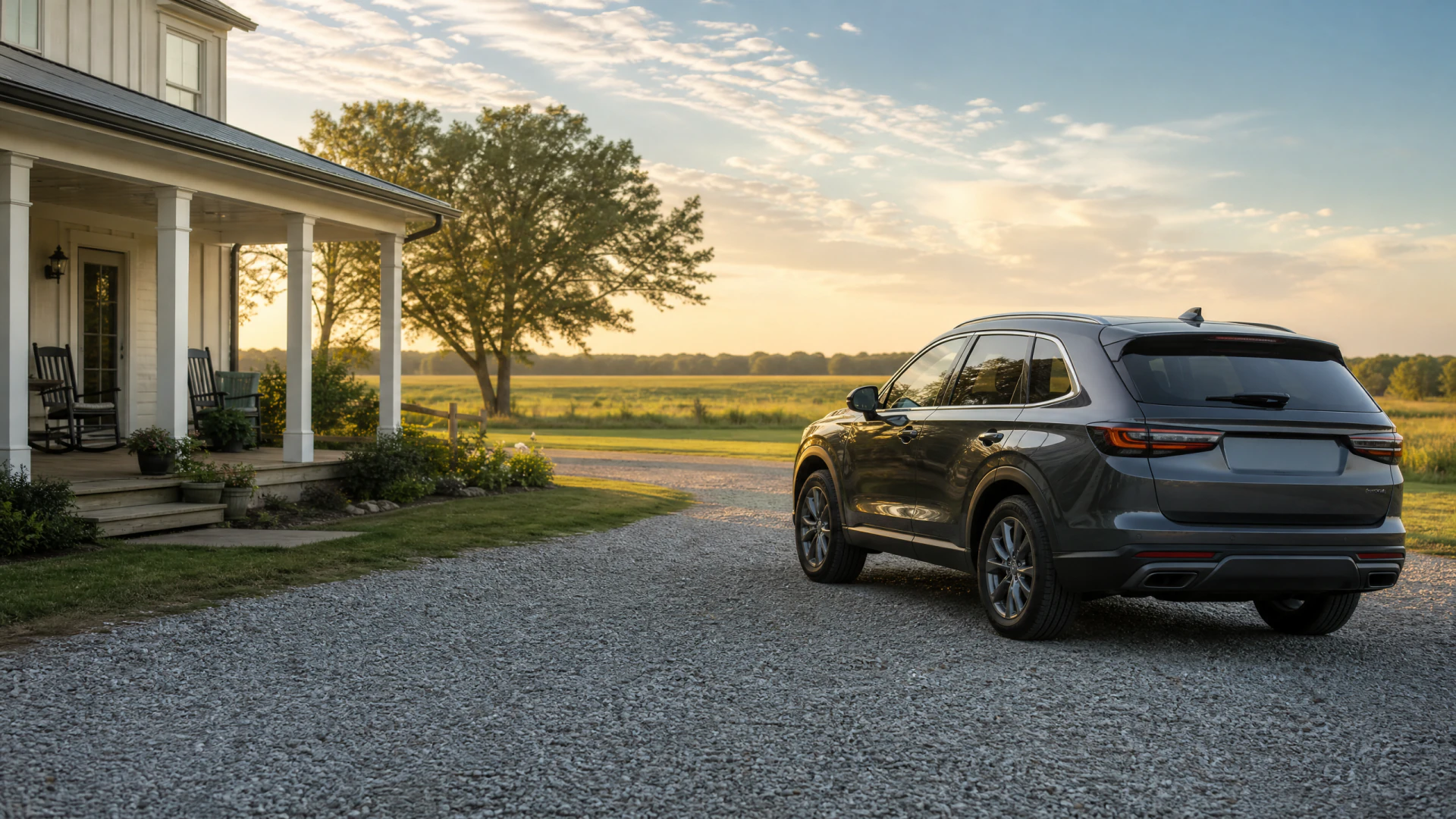
What Happens if a Car Is Insured but Not the Driver
Most policies cover the car and any driver with permission to use it, but excluded or unlisted drivers can still cause a claim to be denied.

When a parent drives the family car without being listed
Say you took over your mother's auto policy last year after you started handling her bills. She still drives herself to appointments and the grocery store a few times a week, and the car is insured in her name alone. You never added yourself or checked whether the insurer expects every regular driver in the household to be listed, because nothing had gone wrong yet.
Then her neighbor, who sometimes borrows the car to run errands for her, was driving it when he rear-ended someone. The insurer asked why a non-listed driver was behind the wheel so often and whether he lived there or used the car regularly. Because he wasn't a resident and only drove occasionally with permission, the claim was covered. But it was close enough that you called the insurer afterward to ask directly who needed to be on the policy, and added your mother's part-time caregiver once you learned she drove the car weekly too.
Does it matter whose name is on the car's title versus the insurance policy?
It can. Insurance follows the policy, not the title, so what matters most is whether the insurer considers the driver someone who should be listed, not who legally owns the car. A policy can cover a car titled to your parent even though your parent never drives it, as long as the actual drivers are properly disclosed.
Where this gets complicated is when the title and the policyholder are different people and the insurer later questions who the car really belongs to. If your parent's name is on the title but you're the one insuring and primarily driving the car, tell the insurer that upfront. Mismatches between title and policy are exactly the kind of detail insurers dig into after a serious claim, so it's worth sorting out while everything is calm.

Once you know who needs to be named on the policy, compare quotes that reflect your parent's real driving situation.
Coverage follows permission and disclosure, not just a name
Car insurance is built around the vehicle first. Most policies extend to anyone who drives that car with the owner's permission, which is why a friend or relative borrowing the car for an afternoon is usually still covered. This is also why a policy can technically be active and valid even when the person driving isn't the one who bought it.
The trouble starts when a driver isn't occasional but routine, and the insurer was never told. Insurers price policies based on who actually drives the car and how often, so a household member who drives regularly but was left off the application is treated differently than a one-time guest driver. If that person is in an accident, the insurer may still cover the claim, but they can also investigate, delay payment, or in some cases deny it, depending on how the policy defines who must be listed.
This is where it varies most by state and by insurer. Some states and companies are strict about anyone in the household being listed as a driver, while others focus only on who drives frequently enough to be considered a regular operator. Some insurers allow a specific person to be named as excluded, which removes coverage for them entirely, even in an emergency. Check your parent's policy documents or call the insurer directly to find out how they define a regular driver and whether anyone living with or routinely driving the car needs to be added by name.
The safest approach is to treat disclosure as protection rather than paperwork. Telling the insurer exactly who drives the car, how often, and under what circumstances gives them accurate information to price the policy correctly and gives you a clear answer if something goes wrong later. It also means that if your parent's driving changes, or if you start driving the car more yourself, you already know who to call and what to update.
The real risk isn't an unnamed driver, it's an insurer learning about them for the first time after a claim.
Can I add my parent to my own car insurance policy instead of keeping theirs separate?
Yes, if your parent lives with you or the car is garaged at your address, many insurers allow this and it can simplify managing the policy. Check whether your insurer requires the car's title to match the policyholder, since some do and some don't. This matters most if your parent still owns the car and you want to keep it titled in their name for other reasons.
What happens to a parent's insurance if they stop driving completely?
The policy can usually be changed to reflect that they're no longer a driver, but it depends on whether the car is still being driven by someone else or sold. If another household member drives it regularly, they typically need to become the primary listed driver. If the car is no longer driven at all, ask the insurer about reducing coverage to protect against theft or damage rather than canceling it outright, since gaps in coverage can affect future rates.
Am I liable if my parent causes an accident in a car insured under their own policy?
Generally no, the policy itself is what responds to the claim, not your relationship to the driver. Your personal liability would only come into play if you were found responsible for letting them drive despite knowing about a serious, specific danger, which is a high bar and varies by state. Check with the insurer or a local attorney if you have specific concerns about your parent's driving ability, since that question is about liability law, not insurance structure.