What Happens if a Non-Listed Driver Gets in an Accident
The claim usually still gets paid, but who was driving and why can change what happens next.
The policy follows the car, but the insurer still asks who drove it
Car insurance is built around the vehicle first. When your parent's car is insured, that policy generally covers people who drive it with permission, even if their name isn't typed into the policy anywhere. So if your parent lends the car to a neighbor, or you drive it while visiting, an accident is usually still covered under your parent's policy.
What changes the outcome is the gap between who drives the car and who the insurer expected to drive it. If a household member, someone who lives with your parent, drives regularly but was never added to the policy, the insurer can argue the policy was priced wrong from the start. That's different from an occasional permitted driver, like a visiting friend or you borrowing the car once. Regular drivers are expected to be listed. Occasional ones usually aren't.
This is also where state rules and individual insurer rules start to pull apart. Some states are strict about excluding unlisted household members from coverage entirely. Others lean toward covering the accident but allowing the insurer to raise rates afterward or even cancel the policy later. You need to check your parent's policy documents and, if anything is unclear, call the insurer directly and ask them to explain how they treat someone living in the home who isn't listed.
The practical difference for you is this. An accident involving a one time guest driver is a very different conversation with the insurer than an accident involving someone who has quietly been driving the car every week. If that second situation describes your parent's household, it's worth sorting out before anything happens, not after.
A grandchild borrows the car for an errand
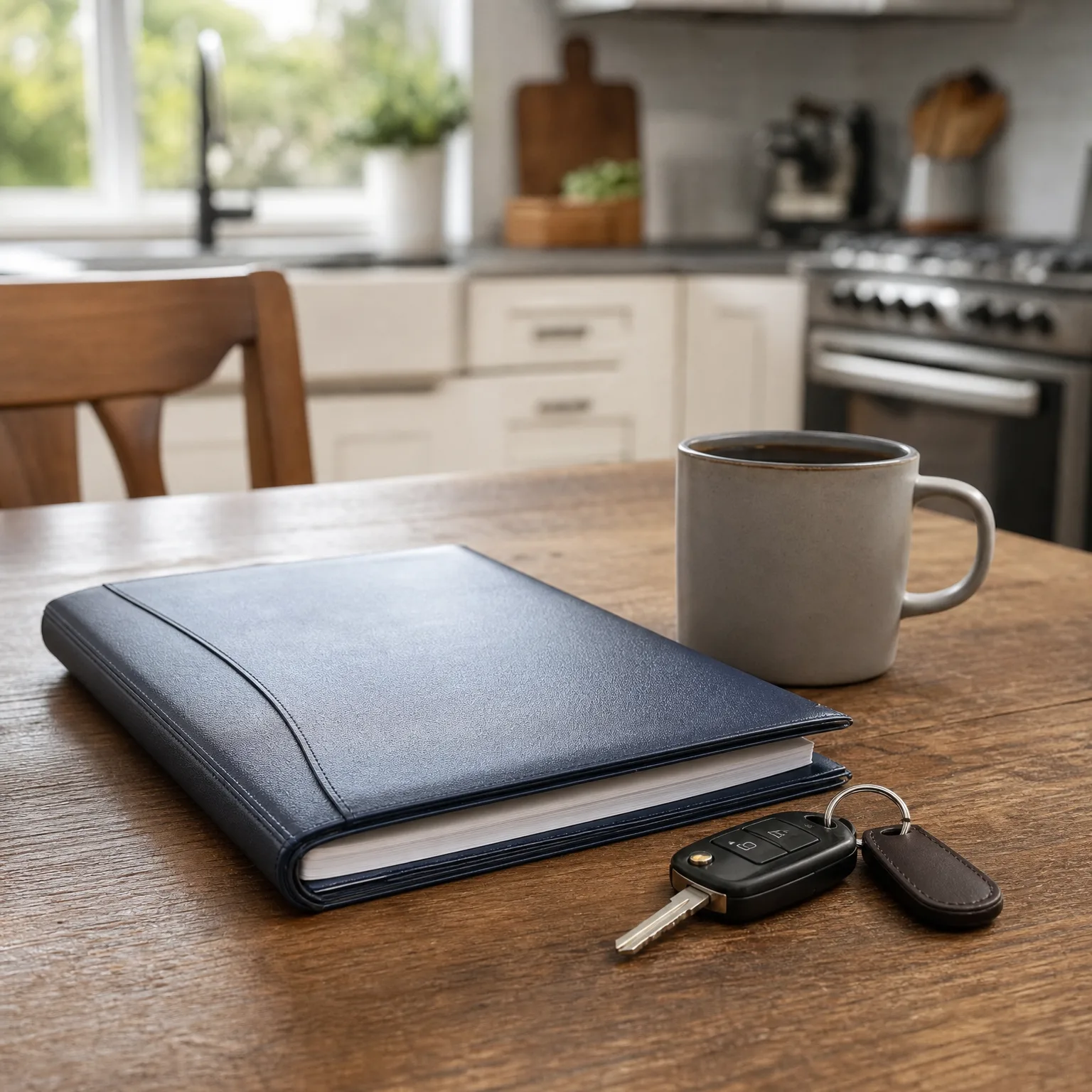
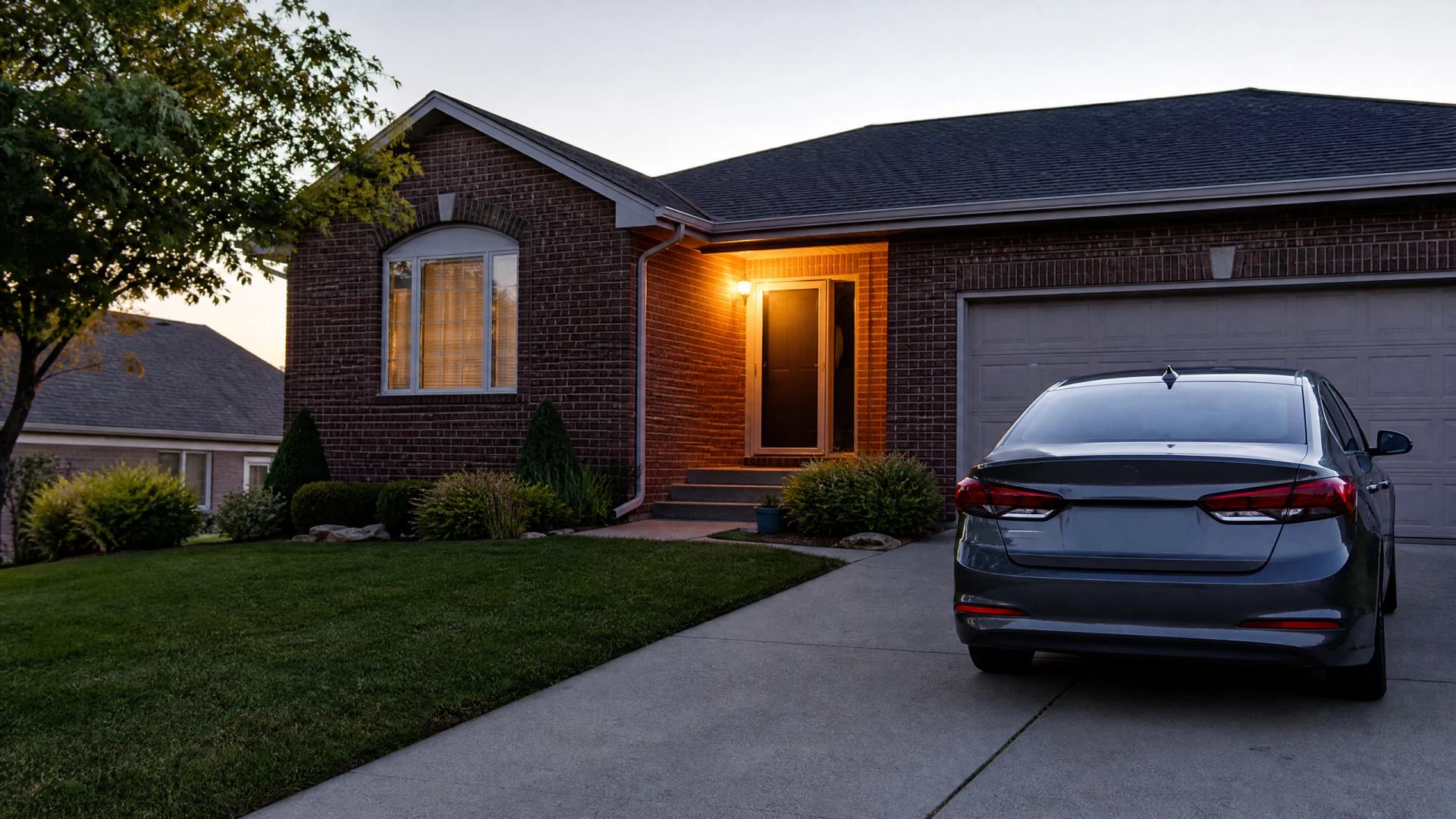
Say your father's car is insured only in his name, and his grandchild, who is visiting for the week, borrows it to pick up groceries. On the way back, the grandchild rear-ends another car at a light. Your father calls you, unsure if this counts as his problem or not, since he wasn't driving.
Because the grandchild had permission to use the car and only drove it that one time, the accident is very likely to be treated as a normal claim under your father's policy. You help him file it, make sure the insurer knows the grandchild was a permitted, occasional driver and not someone who lives there or drives regularly, and the claim moves forward the same way it would if your father had been behind the wheel. The rate may shift at renewal depending on the claim's size, but there's no fight over whether coverage applies in the first place. The key fact that protected everyone was that this was a one-time, permitted use of the car, not a regular arrangement nobody told the insurer about.

The real risk isn't an occasional guest driver, it's a regular driver nobody told the insurer about.
Once you know who regularly drives your parent's car, compare quotes that actually reflect it.
Should you add yourself or another family member to your parent's policy?
Add anyone who drives the car regularly, meaning anything beyond occasional, permitted use. If you stop by weekly and sometimes drive your parent to appointments, that's usually fine as an occasional driver. If you've started driving the car several times a week, or you've moved in, that's regular use, and the insurer will expect to know about it.
The upside of listing someone is that it closes the gap between what the insurer assumes and what's actually happening in the household. That protects the claim if something goes wrong. The tradeoff is that adding a driver can change the cost of the policy, sometimes up and sometimes down depending on the driver's record and age. Call your parent's insurer, describe the actual pattern of who drives the car and how often, and let them tell you whether that person needs to be listed under their rules.

Deciding whether to list yourself as a driver on your parent's policy
If you do
The insurer has accurate information before anything happens. If you're ever in an accident while driving your parent's car, the claim moves forward without the insurer questioning why a regular driver wasn't disclosed. The policy's price may shift, but there's no argument about whether coverage applies.
If you don't
If your driving stays occasional, this likely doesn't matter. But if you're actually driving the car regularly and an accident happens, the insurer can investigate how often you used the car. If they decide you should have been listed, they may delay the claim, reduce what they pay, or raise questions at renewal.
Does my parent's insurance go up if I drive their car and cause an accident?
It can, because insurers often price a policy based on claims history tied to the vehicle, not just the named policyholder. If the accident is paid out as a claim, your parent may see their rate increase at the next renewal, the same as if they'd caused it themselves. Whether it rises, and by how much, depends on the insurer and the state, so ask the insurer directly how they handle claims caused by a permitted driver who isn't the policyholder.
Can I put car insurance in my name for a car my parent owns?
Usually the policy needs to match who owns and primarily drives the car, so check with the insurer before assuming this works. Some insurers allow a policy in your name if you're the primary driver even though your parent holds the title, especially if you can show you drive it most and cover its costs. Others require the owner to be the policyholder. This varies enough by insurer and state that it's worth a direct phone call describing your exact situation.
What happens to my parent's car insurance if they stop driving completely?
The policy doesn't end automatically, so you'll need to decide with the insurer what to do next. If the car still gets driven occasionally by you or someone else, you can usually keep a modified policy active, sometimes at a different rate since your parent is no longer the primary driver. If the car won't be driven at all, ask about a reduced coverage option that protects against theft or damage without paying for the driving-related parts of the policy.