What Happens to a Car When a Person Dies
The car becomes part of the estate, and the insurance has to stay active until the estate decides what happens to it.
The car still belongs to someone, even after they die
When your parent dies, their car doesn't become ownerless. It becomes part of their estate, the same as their bank accounts or their home. Until the estate is settled, the title still legally belongs to your parent on paper, even though your parent can no longer act on it. That's why the car needs a named person to manage it right away, usually whoever is handling the estate.
Insurance has to follow the same logic. A policy only covers a car if someone with a legal interest in it keeps the policy active. If the policy lapses because no one thought to pay it or cancel it properly, the car sits uninsured, and an uninsured car sitting in a driveway or garage can still create liability if it's stolen, hits someone while being moved, or is damaged in a way that affects a neighbor's property.
Who exactly can act on the policy depends on your state and the insurer. Some states let an executor or administrator named in probate manage the policy immediately. Others require a short waiting period or specific paperwork before anyone outside the deceased can make changes. Check with the insurer directly, because they'll tell you what proof they need, such as a death certificate or letters of administration.
If your parent had no will, the process for deciding who manages the car can take longer, since the state has to determine next of kin or a court has to appoint someone. In the meantime, the safest move is almost always to keep the existing policy active rather than let it lapse, even if no one is driving the car yet.
Who is allowed to drive the car while the estate is being settled?
Generally, only someone listed on the insurance policy or added to it should drive the car, even if they're a close family member. Driving a car that isn't insured for you, even briefly, can leave you personally responsible for any accident, not the estate.
If you expect to drive the car regularly while things get sorted, call the insurer and ask to be added as a driver or to adjust the policy to reflect the new situation. If you'll only need to move the car occasionally, ask the insurer what their rules are for that, since some allow it under the existing policy and some don't.
Deciding whether to keep the parent's policy active right away
If you do
The car stays legally covered while you sort out the estate, title transfer, or sale. You avoid the risk of an uninsured vehicle sitting unprotected, and you buy yourself time to figure out next steps without a liability gap in the meantime.
If you don't
If the policy lapses, the car has no coverage at all. Any theft, damage, or accident involving the car becomes a financial risk to the estate or to you personally, and reinstating coverage later may take longer and require more paperwork than keeping it going would have.
Once you know who's keeping the policy active, compare quotes to make sure it still fits the situation.

When a parent's car sits unused for weeks after they pass
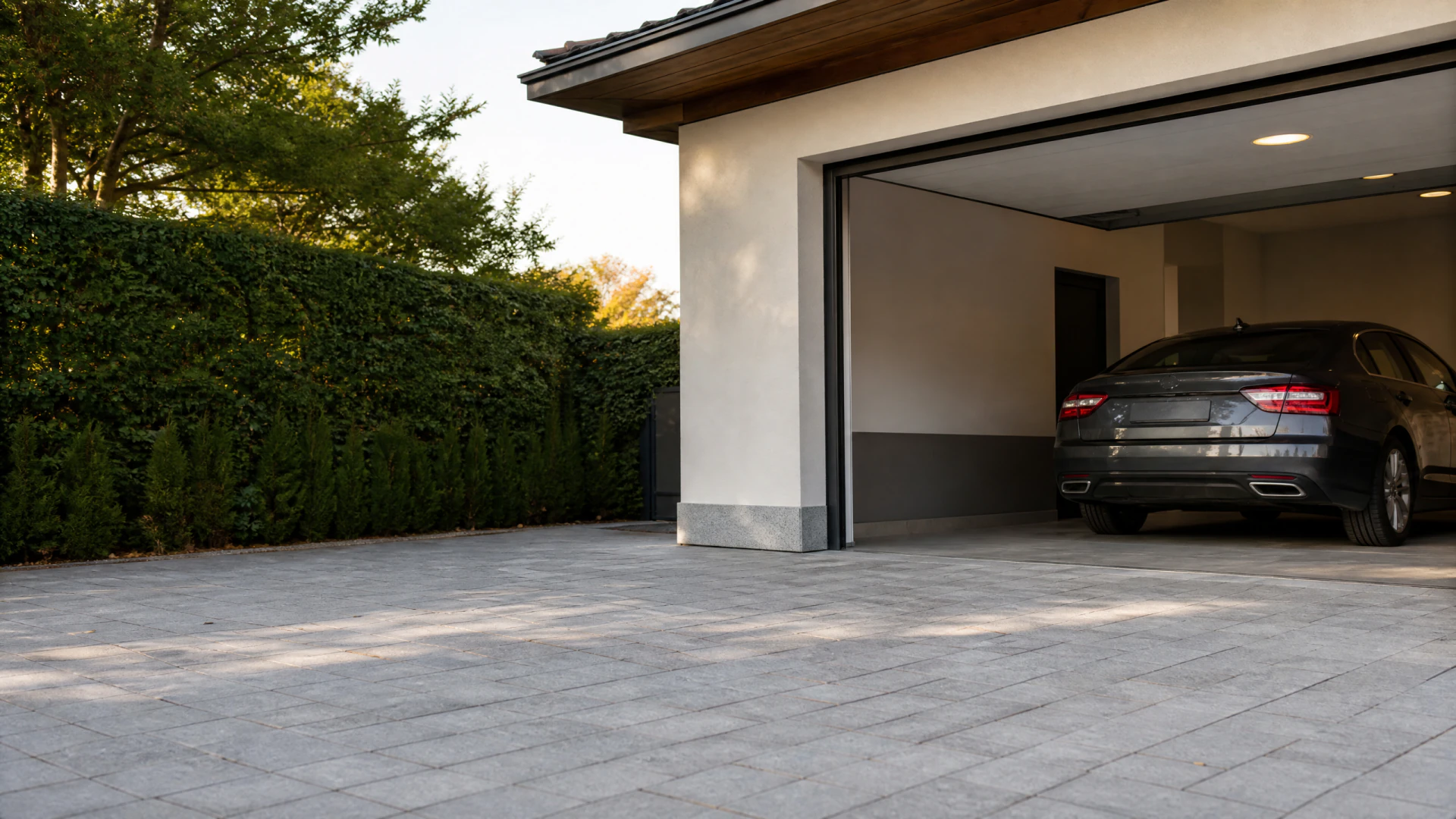
One reader's father died suddenly, and his sedan sat in the garage for almost two months while the estate went through probate. No one was driving it, so her first instinct was to cancel the insurance to save money. Before doing that, she called the insurer to ask what made sense.
The insurer explained that canceling coverage entirely would leave the car exposed if it were damaged, stolen, or involved in any incident even while parked. Instead, she kept the policy active but adjusted it to reflect that the car wasn't being driven, which lowered the cost without leaving it unprotected. Once the estate was settled and her brother decided to take the car, they transferred the title and moved the insurance into his name. Keeping continuous coverage also meant there was no lapse that could have complicated his new policy's pricing or approval.
The car isn't yours to decide about until the estate says so, but it still needs protecting in the meantime.