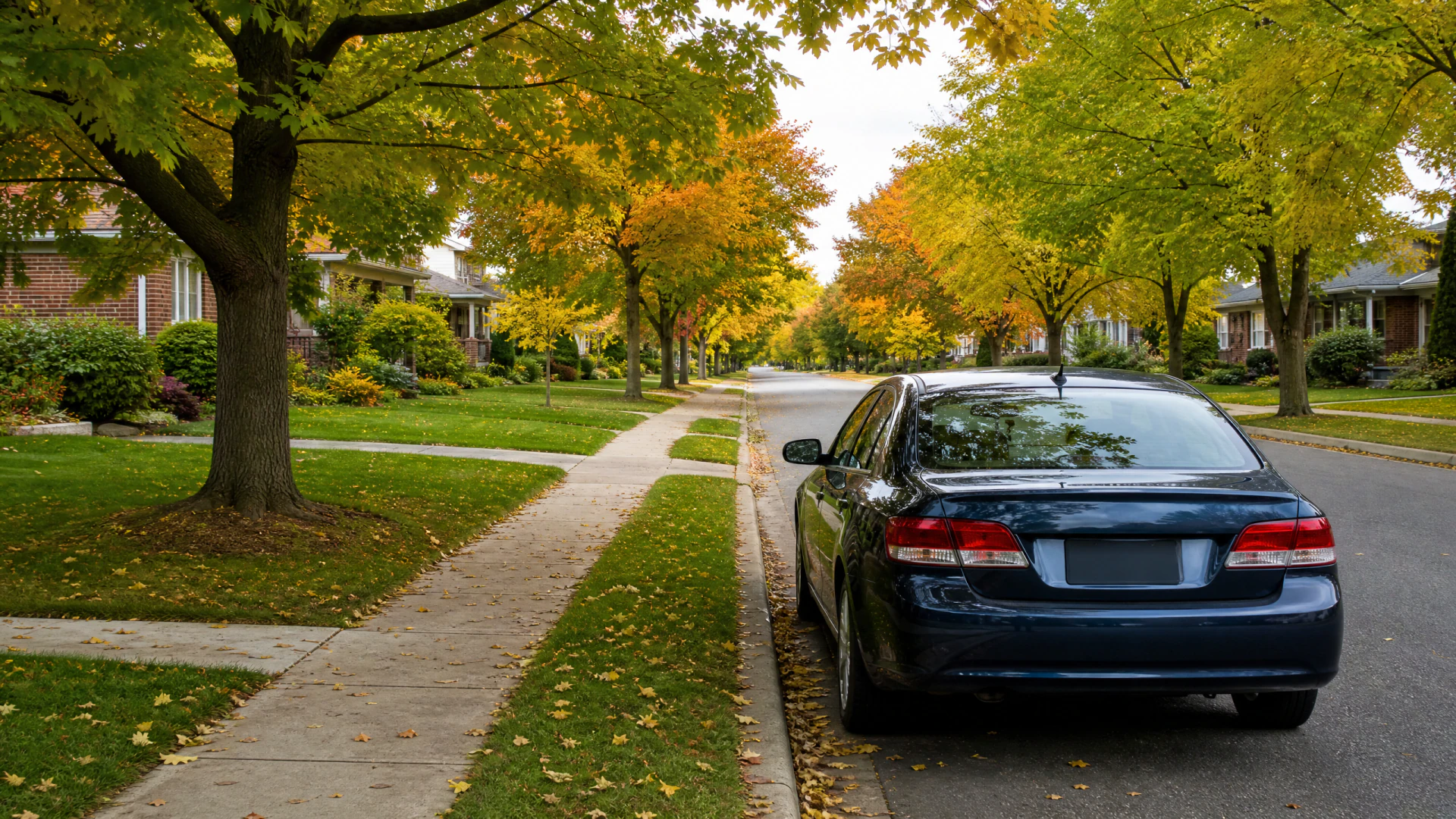
What if an Elderly Parent Refuses to Stop Driving
You can't force the decision, but you can change the coverage, the car access, and who's exposed if something goes wrong.
The law protects their right to drive until it's formally taken away
Nobody, not even a worried adult child, can legally stop a competent adult from driving. Only a doctor's report to the state, a failed vision or road test, or a court finding of incompetence can actually remove driving privileges. Until one of those happens, your parent's license is valid and their insurance has to treat them like any other licensed driver.
This is why persuasion and documentation matter more than argument. Insurers don't ask whether a driver is a good idea, they ask whether the driver is licensed and listed accurately on the policy. If your parent is legally licensed and driving their own car, the policy has to reflect that, regardless of your opinion about their reflexes or eyesight.
Where things vary is how states handle reporting concerns. Some states let doctors or family members file confidential requests for a driving re-evaluation, others require the concern to come from law enforcement or a licensing hearing. Check your state's motor vehicle agency for the actual process, because this is not something insurance can do for you.
The exception is when your parent lacks the legal capacity to make the decision at all, such as with a diagnosed cognitive condition. In that case, power of attorney or guardianship documents change who can act on the policy and the vehicle, and that's a legal step separate from insurance.
Protect everyone while the decision about driving plays out
- Match the policy to reality If your parent drives less or only locally now, their policy should reflect that. Call the insurer together and update mileage or usage so the coverage and cost match how the car is actually used.
- Know who pays after a crash The policy on the car pays first, regardless of whose name is on it, up to its limits. You are not personally liable just because you're involved, unless you're a listed driver or co-owner.
- Add a trusted second driver If you or another family member sometimes drive the car, ask about adding that person to the policy. An unlisted regular driver can cause a claim to be reduced or denied.
- Separate the car from license You can limit access to the car, such as holding the keys or disabling it, without touching their license. This buys time while a formal driving evaluation is pursued.
- Write concerns down If you ever need to request a license review, dated notes about specific incidents help the agency act. Insurance companies don't handle this, but they may ask for it if a claim is disputed.

When a daughter manages the policy but not the driving itself
A woman noticed her elderly father had a couple of minor fender-benders within a short stretch of time. He refused to stop driving and still lived alone some distance away. She didn't try to argue him out of the car. Instead she called his insurer with him on the line, updated his annual mileage since he'd stopped commuting, and added herself as an occasional second driver since she sometimes drove his car on visits.
She also wrote down the dates and details of both accidents, just in case. Some time later, after another incident, she used those notes to request a driving evaluation through the state's licensing agency. The insurer never required her to do anything to the policy itself until the evaluation results came back and her father's license was restricted to daytime driving only. At that point she called again to update the policy, and the premium adjusted down slightly once his mileage and conditions were documented accurately.
Once the policy reflects who actually drives and how, compare quotes to make sure the coverage still fits.

Whether you get added as a driver on their policy
If you do
You're covered automatically if you drive their car, and the insurer has accurate information if there's ever a claim. Your own driving record may affect their premium slightly. If an accident happens while you're driving, it's handled under their policy without a dispute over who was behind the wheel.
If you don't
You may not be covered if you drive their car occasionally, and an insurer could deny or reduce a claim if they find out later. Your parent's policy stays simpler and cheaper, but only if you truly never drive the car. Any claim involving you as an unlisted driver risks delay or denial.
Can I report my parent to the DMV without them knowing?
In many states yes, through a confidential medical or concern-based reporting process, but this varies by state. Check your state's motor vehicle agency website for its specific procedure, since some require a doctor's involvement and others accept family reports directly. What changes the answer is whether your state keeps the reporter's identity confidential, which isn't guaranteed everywhere.
Does my parent's insurance go up if they get in an accident?
Usually yes, since at-fault accidents typically raise premiums at renewal, though the amount varies by insurer and state. Ask the insurer directly how their specific accident forgiveness or surcharge rules work. If your parent has a long clean history, some insurers reduce or waive the increase for a first at-fault accident.
What happens to the car insurance if my parent stops driving completely?
The policy should be updated to reflect a non-driver or the car should be removed from active coverage if it's not being used. Keeping comprehensive-only coverage is often possible if the car is stored but not driven, which protects against theft or damage at a lower cost. Check with the insurer about whether a full cancellation or a reduced coverage option fits better.