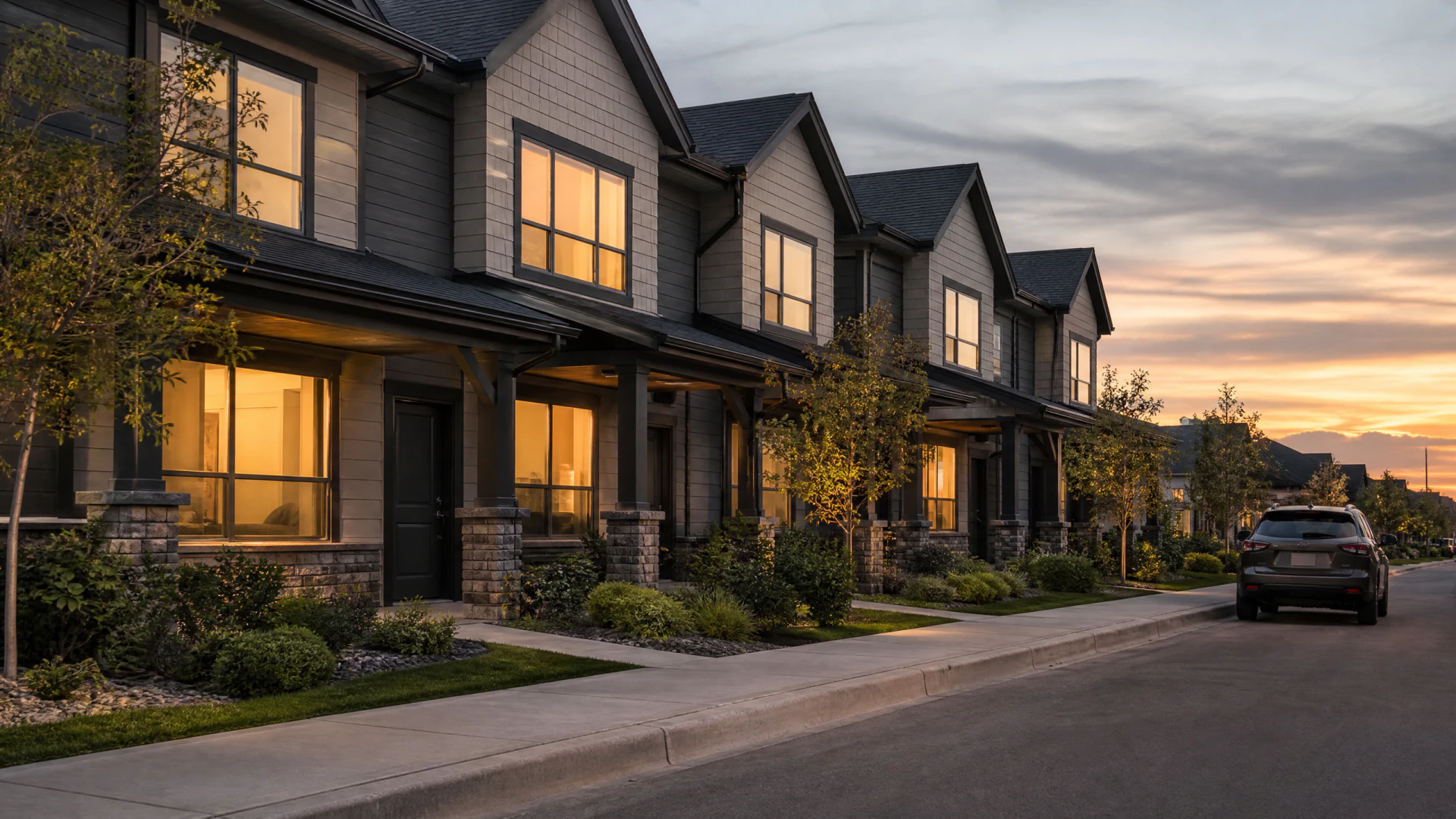
What Is My Garaging Address
Your garaging address is simply the address where the car is parked or stored most of the time, not who owns it or who's on the policy.
Insurers price risk around where the car actually sits each night
A car insurance policy is built around location because location drives risk. Where a car spends its nights determines the odds of theft, vandalism, weather damage and even the kind of traffic it faces during a typical trip. The garaging address is the insurer's best guess at that risk, separate from the mailing address on the account or the name on the title.
This matters directly for you because you're likely managing a policy for a car that may not be garaged where you live. If your parent still lives independently and the car stays at their home, the garaging address is their address, even if you're the one paying the bill or handling the paperwork. If the car has moved with your parent into your home, or sits in your driveway most nights, the garaging address should reflect that new reality.
Insurers treat this as a factual detail, not a judgment call you get to make for convenience. Listing a garaging address that doesn't match where the car actually stays can cause problems later, especially if a claim is filed and the insurer checks the details against the accident location or reported habits. It's not about picking the address that lowers the bill, it's about accuracy.
What counts as proof, and how often you need to update it, varies by insurer and sometimes by state. Some will ask for confirmation only at renewal, others may ask sooner if the parent moves. Check your policy documents or ask directly if you're unsure what's required.
Does the garaging address change if my parent moves in with me?
Yes, if the car moves too. The garaging address follows the car, not the person, so once the vehicle is regularly parked at your home, that becomes the address the insurer needs on file.
This can affect the policy in a few ways. Your location may carry different risk factors than your parent's old neighborhood, which can shift the cost up or down. It may also affect which coverage options are available, since some state requirements and insurer rules are tied to where a car is kept.
Update the address as soon as the move is settled, not months later. If a claim happens before you've updated it, the mismatch between the address on file and the car's actual location can slow things down or raise questions you'd rather avoid.
The garaging address must match where the car actually stays, not who manages the policy or pays the bill.
Once you know your parent's correct garaging address, compare quotes using that exact detail to get an accurate price.

When a parent's car moves but the paperwork doesn't
Say your father lived alone for years, and last spring he moved into your spare room after a health scare. His car came with him, and now it sits in your driveway every night instead of his old garage three towns over. You've taken over his bills, including the car insurance, but the policy still lists his old address as where the car is garaged.
You call the insurer, explain the move, and update the garaging address to your home. The quote changes slightly because your area has different rates than his old one, but now the policy reflects reality. A few months later, a storm damages the car while it's parked outside your house. Because the address on file matches where the car actually was, the claim moves smoothly, with no questions about why the car wasn't where the policy said it should be.

What if my parent splits time between two homes?
List the address where the car is parked most consistently, since that's what the insurer uses to judge risk. If the car truly spends equal time in two places, call the insurer directly and ask how they want it handled, since this varies by company and sometimes by state. Guessing wrong can create gaps if a claim happens at the less common address.
Can I use my address instead of my parent's to save money?
No, not if the car isn't actually garaged there. Using an address where the car doesn't stay is considered misrepresentation, and it can lead to a denied claim or a canceled policy if discovered. If you're trying to lower the cost, look at other legitimate options instead, like bundling policies or adjusting coverage levels.
Does the garaging address affect who's covered to drive the car?
No, garaging address and driver coverage are separate things entirely. The address affects pricing and risk assessment, while who's covered to drive depends on who's listed as a driver on the policy. You still need to make sure your parent, and anyone else who drives the car, is properly listed as a driver regardless of address.