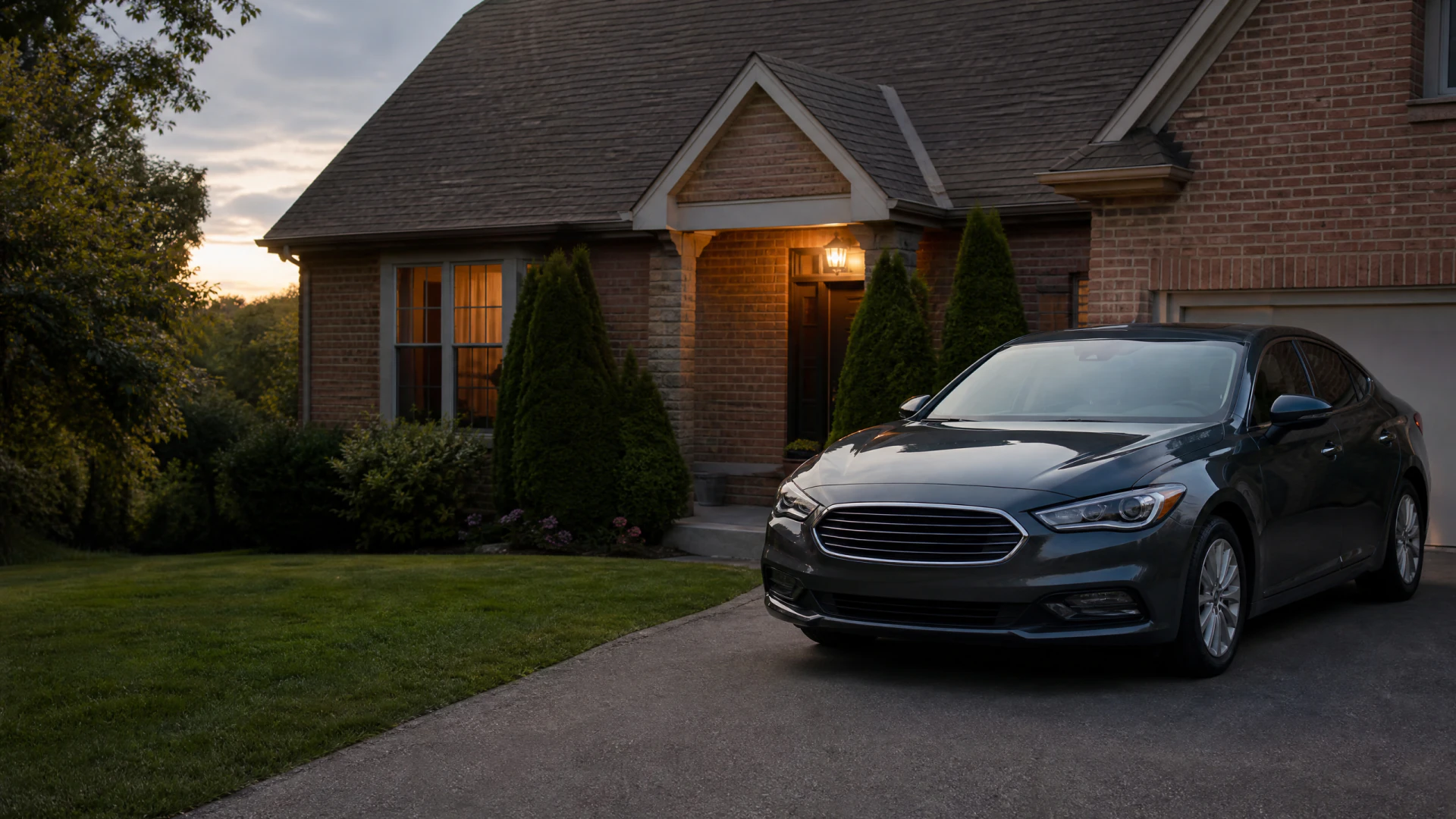
What Is Permissive Use in Car Insurance
Permissive use means your parent's policy pays first if they cause an accident driving with your okay, or yours if they drive your car.
The policy tied to the car responds first
Car insurance follows the vehicle, not the driver, in almost every situation. When someone drives a car with the owner's permission, even once, the coverage attached to that car is usually what pays out if there's an accident. That's permissive use, and it's built into most standard policies without you having to ask for it or name anyone in advance.
This matters for you because it means occasional use doesn't require paperwork every time. If your parent drives your car to an appointment, or you drive their car while visiting, the resident policy on that car typically covers the trip. You don't need to call the insurer before every drive, since permissive use assumes reasonable, occasional permission rather than constant use.
Where it gets more complicated is regular use. If your parent is driving your car often, or you're regularly driving theirs, insurers may expect that person to be listed as a driver on the policy instead of relying on permissive use. Some policies limit permissive use to occasional situations, and treat frequent use differently. This is one of the places that varies by insurer, so it's worth checking how the policy defines occasional versus regular use.
The other variation is what happens when the damage costs more than the car's policy covers. In that case, the at-fault driver's own policy can sometimes be asked to cover the rest, depending on the state and the specific policies involved. This is why it still matters whose name is on which policy, even when permissive use is working the way it's supposed to.
Should you add your parent to your policy or keep policies separate?
Keep policies separate unless your parent is driving your car regularly or living with you long-term. Permissive use already covers occasional, reasonable driving, so adding them isn't necessary just because they borrow the car sometimes.
Adding them makes more sense if the arrangement is becoming routine, since insurers generally want regular drivers listed rather than covered under permissive use indefinitely. It can also make sense if your parent no longer carries their own policy at all. Ask your insurer directly how they define regular use, since that threshold is what decides whether permissive use is enough or whether a formal change to the policy is the better move.
The question isn't who owns the car, it's whose policy the drive falls under.
Once you know whose policy covers the drives that matter, compare quotes to make sure that coverage is actually enough.

What to settle before you assume you're covered
- Check occasional vs regular use Insurers often define a limit on how often someone can drive under permissive use. Ask your parent's and your own insurer where that line is drawn.
- Confirm the car's policy limits If an accident costs more than the car's policy covers, the driver's own policy may be asked to help. Know both policies' limits, not just one.
- Report new driving routines If driving arrangements have changed, like your parent moving in or using your car weekly, let the insurer know. Undisclosed regular use can complicate a claim.
- Decide who files a claim The car owner's policy usually leads the claim, even if someone else was driving. Agree in advance who handles that call if it happens.
- Revisit this if driving stops If your parent stops driving, their policy may no longer be needed, but yours still is. Update coverage instead of letting an unused policy lapse quietly.

When a parent borrows the car for a doctor's visit
Say your father's license is still valid, but he no longer owns a car since he sold his last year. He borrows yours sometimes to run errands or get to appointments when you can't drive him. One afternoon, he backs into a parked car in a lot. He wasn't speeding, wasn't reckless, just misjudged the space.
Because he had your permission to use the car that day, permissive use means your policy responds to the claim, not his old insurer, since he doesn't have one anymore. You contact your insurer, explain he was driving with permission for a single errand, and the claim moves forward under your policy as it would if you'd been driving. The repair gets handled, your premium may be affected depending on the insurer's rules on at-fault claims, but there's no dispute about whose coverage applies, because the car's policy was always the one in play. Afterward, you and your father talk about whether he should keep his driving to occasional trips like this one, or whether it's time to adjust how often he's behind the wheel at all.