
What Paperwork Do I Need to Donate a Car
You need the signed title, the registration, and a release of liability, plus proof of authority if the car isn't titled to you.
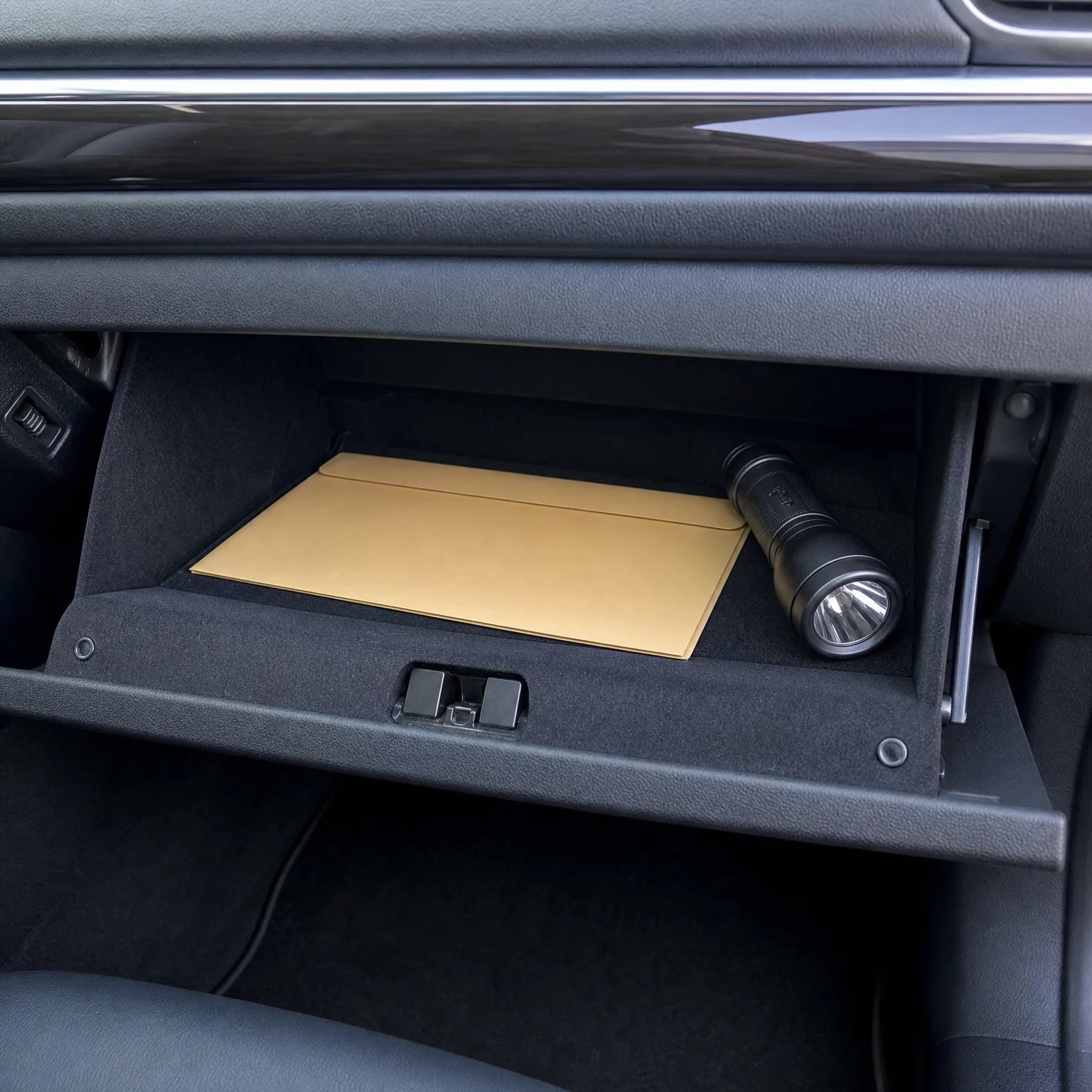
The documents that make the donation valid
- The title This is the document that actually transfers ownership. Check whether your parent needs to sign it themselves or whether you can sign as their authorized representative.
- Release of liability This form tells the state the car is no longer your parent's responsibility once it's donated. File it right away so no future tickets or accidents land on your parent.
- Registration Most charities want current registration along with the title to confirm the car matches its records. Pull it from the glovebox or request a copy from your motor vehicle agency if it's missing.
- Proof of authority If your parent can't sign because of health or memory issues, you may need power of attorney or another legal document showing you can act for them. Check this before you contact a charity, not after.
- Odometer disclosure Many states require a statement of the mileage at the time of transfer. Ask the charity or your motor vehicle agency whether this is a separate form or part of the title.

The short version
You need the signed title, current registration, and a release of liability, and if your parent can't sign themselves you'll need proof of authority like power of attorney. The title is what actually transfers ownership, so without it the donation can't go through. Start by locating the title and checking your state's requirements before contacting a charity.

When the title was still in your father's name alone
Your father stopped driving last year after a fall, and the car had been sitting in the driveway since. You decided donating it made more sense than keeping it registered and insured for a car no one used. When you went looking for the title, you realized it was in his name only, and he had trouble remembering where he kept important papers.
You started by calling your state's motor vehicle agency to ask what they'd accept if the title was lost, and learned you could request a duplicate using his registration and identification. Because your father was willing and able to sign his own name, you didn't need power of attorney, just his signature on both the duplicate title application and the eventual transfer paperwork. You also filed a release of liability the same day you handed the car over, so the charity's use of the car afterward wouldn't come back to him. The whole process took a few weeks mostly because of the wait for the duplicate title. Once that arrived, the actual donation took less than an hour, and you kept a copy of every signed document for your own records in case any questions came up later.
Once your parent's car is donated rather than driven, compare quotes so their remaining coverage still fits them.

Whether you gather the paperwork before you call a charity
If you do
You call the charity already knowing what's required, so the pickup gets scheduled fast and nothing stalls. You've confirmed whether your parent can sign or whether you need authority to act for them, so there's no awkward pause mid-process. The release of liability gets filed right away, closing out your parent's responsibility cleanly.
If you don't
The charity asks for documents you don't have, and the car sits untransferred while you track down a title or signature. If your parent can't sign and you haven't sorted out authority, the donation can stall for weeks. Without a release of liability filed promptly, your parent stays responsible for the car afterward.
What if my parent can't sign the title themselves anymore?
If your parent can't sign because of memory issues, a stroke, or another condition that affects their judgment or ability to write, you'll likely need a legal document showing you can act on their behalf. This is usually a power of attorney, though the exact form and how it needs to be worded can vary by state and sometimes by charity.
Check this early, because setting up power of attorney after a parent has lost the capacity to grant it is far harder and sometimes impossible without going through a court process. If this hasn't been set up and your parent can still understand and agree to it, it's worth doing before you need it for a car donation or anything else. If it's already too late, ask a local elder law attorney what alternative exists in your state, since some allow a family member to act in limited situations without full power of attorney.
The title is the only document that truly matters, so find it first and everything else falls into place.