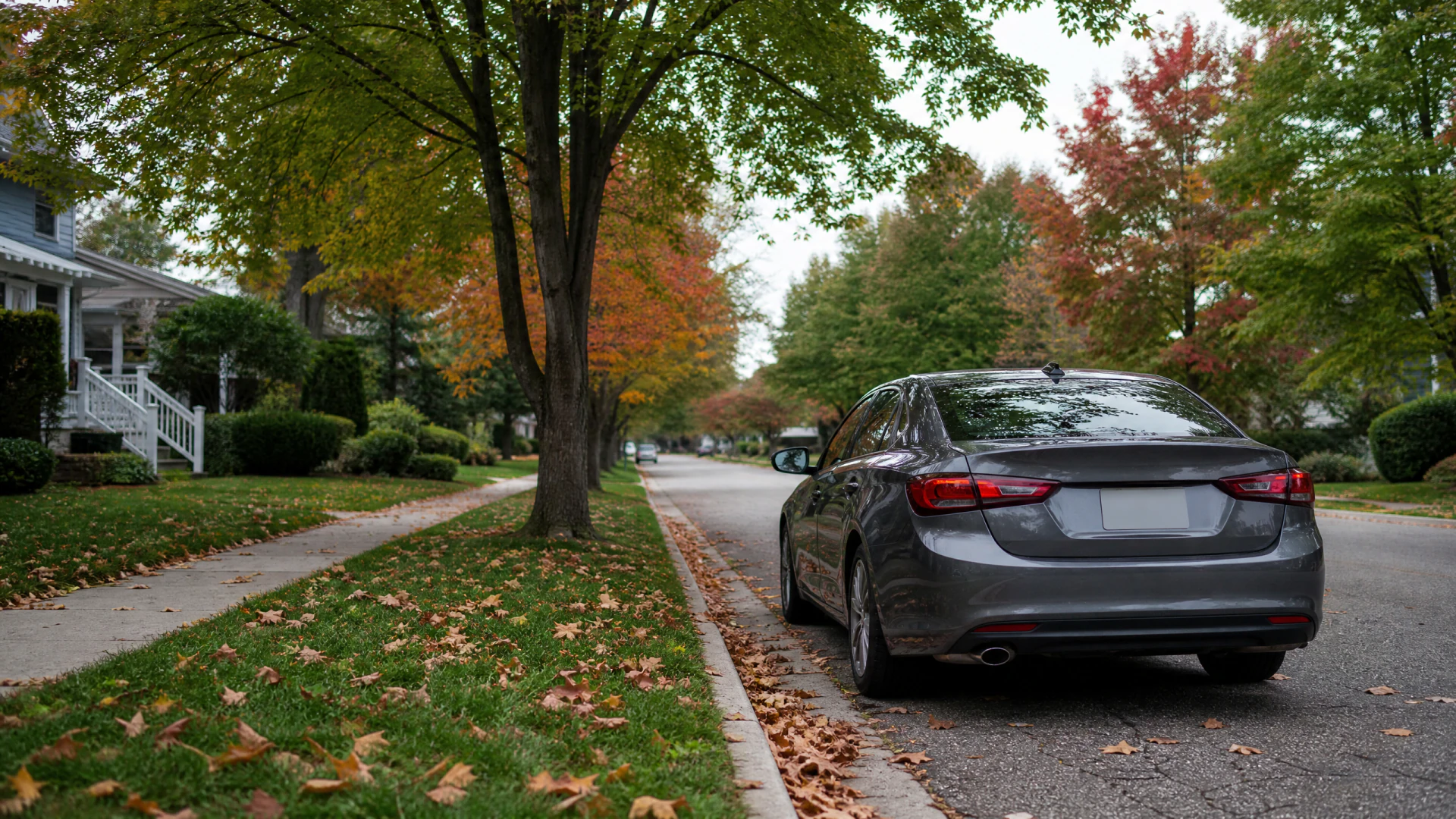
What to Do if You Think Someone Is Unfit to Drive
Start by writing down what worries you, then loop in their doctor and their insurer before taking the keys away yourself.

The steps that actually help, in order
- Write down specifics Vague worry doesn't convince anyone, including the parent. Note dates, what happened, and whether it was a near-miss, a dent, or a lost turn, so you have facts instead of a feeling.
- Loop in their doctor A doctor can evaluate vision, reflexes, and cognition, and can recommend restrictions or a formal driving evaluation. Ask for this at the next visit, or call ahead and explain why you're concerned.
- Check state reporting options Many states let a family member, doctor, or even a stranger request a competency review through the motor vehicle agency. Rules differ widely, so look up your state's process before assuming you must do this alone.
- Tell the insurer early The insurer needs to know if driving habits, mileage, or a diagnosis change, and they can explain what happens to the policy if your parent stops driving. Don't wait for an accident to make that call.
- Plan the alternative first Taking keys away without a replacement plan often backfires. Line up rides, transit, or a delivery service first, so the change feels like a solution instead of a punishment.
What if my parent refuses to stop driving?
This happens often, and you can't force the issue alone in most cases. Short of a court-ordered restriction or a state agency revoking the license, your parent has the legal right to keep driving even if you disagree.
What you can do is keep building the record. Get their doctor involved, request a formal driving evaluation if your state offers one, and talk to their insurer about what the policy requires if a diagnosis or restriction exists but isn't reported. Some states hold the policyholder responsible for disclosing known risks, and failing to do so can affect a claim later.
If safety is urgent, some families quietly limit access to the car instead of taking it away outright, parking it elsewhere or managing the keys. It's not a long-term fix, but it can buy time while the medical and legal process moves. The goal is always to get a professional's opinion into the conversation, because that carries more weight than yours alone.

Whether you say something now or wait
If you do
You raise it early, while it's still a conversation and not a crisis. Your parent has time to adjust, explore alternatives, and feel some control over the outcome. Doctors and insurers can get involved before an accident forces the issue, which almost always goes better for everyone.
If you don't
Waiting usually means the first real intervention happens after a crash, a ticket, or a scare. By then the choice feels forced, your parent may feel ambushed, and insurance or legal consequences are already in motion instead of being something you got ahead of.
Once you know how your parent's driving status affects their policy, compare quotes with that decision already made.

When a fender bender becomes the turning point
A woman noticed her father had two small dents on his bumper he couldn't quite explain. She wrote down the dates and asked him directly what happened, and he admitted he'd clipped a mailbox backing out. She didn't take the keys that day. Instead she called his doctor's office and asked for a cognitive and vision check at his next appointment, explaining why.
The doctor found mild vision changes and recommended a daytime-only restriction along with a formal driving evaluation through the state. She also called his insurer to ask what the restriction meant for his policy and learned that failing to report it could jeopardize a future claim. Her father kept driving for another year, now only in daylight and on familiar roads, and she had arranged a rideshare account for evenings before he ever needed it. When he eventually failed the follow-up evaluation, he already had an alternative in place and didn't feel like everything was taken from him at once.
Why a doctor and the state matter more than you do
You can see the warning signs, but you usually can't make the call alone, and that's by design. Driving ability is a medical and legal question, not a family opinion, so the systems that handle it are built to involve a doctor's evaluation or a state agency's review rather than relying on one relative's judgment, however accurate that judgment might be.
This protects everyone, including you. If you simply take the car or cancel the policy yourself, you may face pushback, resentment, or even legal questions about who had the authority to do that. A documented medical opinion or a state driving evaluation gives the decision legitimacy that your word alone doesn't carry, and it gives your parent a process they can understand rather than a decision that feels sprung on them.
Insurance sits underneath all of this. Policies are built around disclosed risk, so if a known medical condition or restriction isn't reported, a future claim can be contested or denied. That's not a reason to panic, but it is a reason to loop the insurer in once a doctor or agency has flagged a concern, rather than staying quiet and hoping nothing happens.
Where this plays out differently is state to state. Some states have mandatory reporting for certain conditions, some have voluntary family-initiated reviews, and some leave nearly everything to the doctor's discretion. Because the process varies this much, the one universal step is the same everywhere, get a professional opinion involved early, and let that opinion carry the weight instead of carrying it yourself.
Can I report my parent's driving to the DMV myself?
In many states, yes, family members can request a review, but the process and required documentation vary widely by state. Some require a doctor's statement, others accept a family member's written concern directly. Check your state's motor vehicle agency website for its specific process, since acting through the wrong channel can delay things.
Will my parent's insurance rates go up if they get a restricted license?
It depends on the insurer and the restriction. Some insurers treat a daytime-only or distance-limited license as lower risk, others may adjust rates based on the underlying medical reason. Call the insurer directly and ask, since this isn't standardized and guessing could leave your parent either overpaying or underinsured.
What happens to the car insurance if my parent stops driving completely?
The policy doesn't have to end immediately, but it usually should change. Many insurers offer a reduced-use or storage policy if the car still exists but isn't driven, which costs less than full coverage. Ask the insurer what options exist before canceling outright, especially if someone else might still drive the car occasionally.