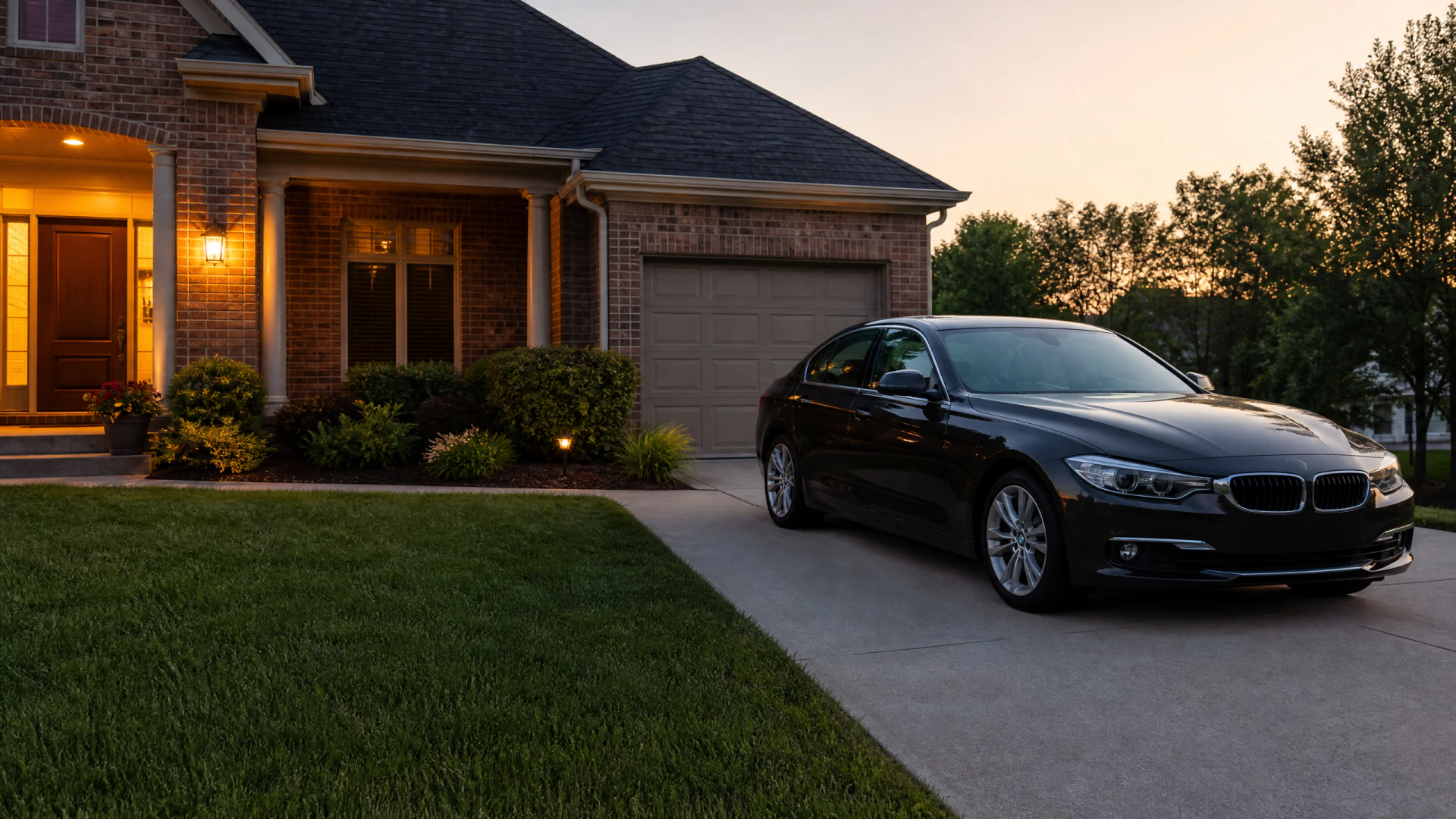
What to Do With a Car Not Worth Selling
If your parent's car still gets driven occasionally, minimal coverage usually costs less than selling it for almost nothing.
The math changes once a car's resale value drops near zero
A car that's barely worth selling is still worth insuring if anyone drives it, even occasionally. The risk you're covering isn't the car's value, it's what happens if that car is in an accident. Liability coverage protects your parent and you from being on the hook for someone else's medical bills or repairs, regardless of what the car itself is worth on a lot.
What changes is how much coverage makes sense. Comprehensive and collision coverage exist to repair or replace the vehicle, so once the payout would be small, that coverage often costs more over time than it would ever pay back. Liability coverage works differently because it protects against outside claims, not the car itself, so it still matters even when the vehicle doesn't.
If the car sits unused, you have other options besides insuring it at all. Many states let you file paperwork to take a vehicle off the road without canceling the title, which stops registration and insurance requirements while keeping ownership intact. Some insurers also offer reduced policies for stored vehicles. Check what your state and insurer call this, since the process and savings vary.
Donating or signing over the title are both real options too. If your parent won't drive again and the car has no resale value worth chasing, a donation can simplify things fast, often with someone picking it up. Just make sure the title transfer is handled correctly, so your parent isn't tied to a car, or its insurance, after it's gone.
A sedan worth less than a year of premiums
One reader's father had a sedan that had been reliable for years but was now worth very little at trade-in, not even enough to cover a tow if it broke down. He still drove it occasionally to appointments nearby, so parking it permanently felt premature. She called his insurer to ask about dropping comprehensive and collision, since paying to protect a car's value made no sense when the value barely existed.
The insurer kept liability coverage in place and removed the rest, cutting the policy down to what actually mattered, protecting other people and property if something happened. When her father stopped driving himself six months later, she filed the paperwork to take the car off the road instead of selling it outright, since the title stayed in his name and the car stayed available for her to use for errands. It solved the immediate question without forcing a decision about the car's future before anyone was ready.

Compare quotes for liability-only coverage to see what keeping the car insured would actually cost.
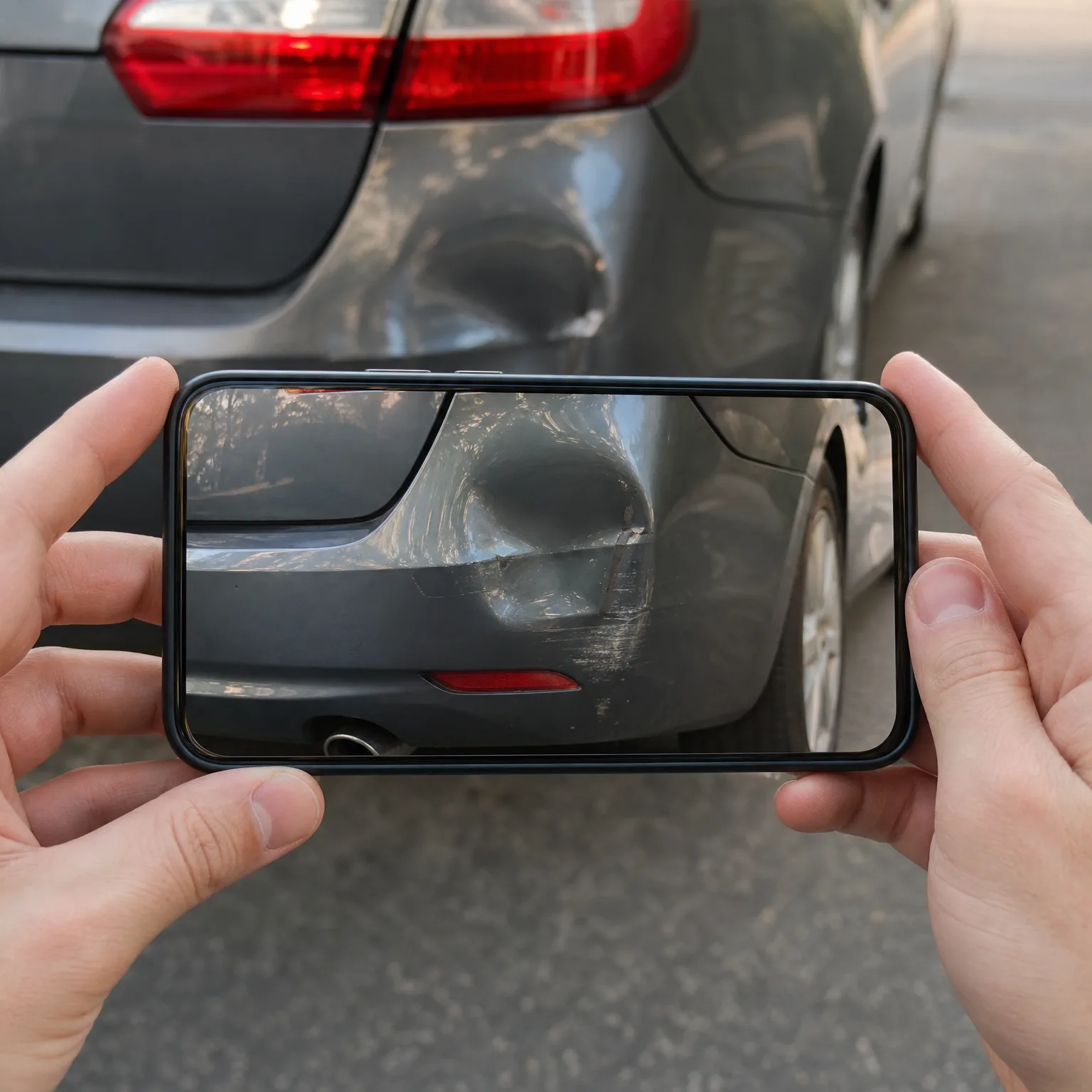
What actually determines the right move here
- Does anyone still drive it If your parent or you still use the car at all, it needs liability coverage at minimum. If it's parked permanently, ask about removing insurance entirely instead.
- Drop comprehensive, collision These cover the car's value, which is now low. Keep liability, which covers damage to others, and ask your insurer to remove the rest.
- Check inactive status rules Many states let you suspend registration and insurance without giving up the title. This keeps the car yours without ongoing costs while it's unused.
- Decide before title gets messy If your parent won't drive again, decide now whether to donate, transfer, or keep the car. Waiting only makes paperwork and insurance questions harder later.
- Confirm who's on the policy If the policy is in your parent's name but you're managing it, make sure you're listed as an authorized contact or added driver so you can make changes.
The car's value isn't what decides this. Who's driving it, and what happens if they don't, does.
Can I cancel my parent's car insurance without canceling the title?
Yes. Canceling insurance and canceling a title are separate actions, and the vehicle can stay registered to your parent even without active coverage. Check your state's process for suspending registration, since driving an uninsured, registered car is usually illegal even if it's parked most of the time. If there's any chance the car will be driven again, suspending rather than fully canceling keeps that option open without ongoing cost.
What happens to the car if my parent goes into a care facility?
The car stays theirs until you decide otherwise, but it typically needs to be insured or taken off the road if no one is driving it. If you plan to use it yourself, you may need to be added to the policy or title. If it will sit unused, check your state's process for inactive registration before letting insurance lapse, since an uninsured registered vehicle can create problems even sitting in a driveway.
Is it better to donate an old car or sign the title over to me?
It depends on whether you want to keep using the car. Donating is simpler if no one in the family needs it, since many charities handle pickup and paperwork directly. Signing the title to yourself makes sense if you'll drive it, but you'll need to update registration and insurance in your name. Either way, confirm the transfer is completed on paper so your parent isn't still liable for a car they no longer own.