When a Parent Should Stop Driving
A parent should stop driving when the signs of unsafe driving show up more than once and a safer alternative is already in place.
What tells you it's time, and what to do next
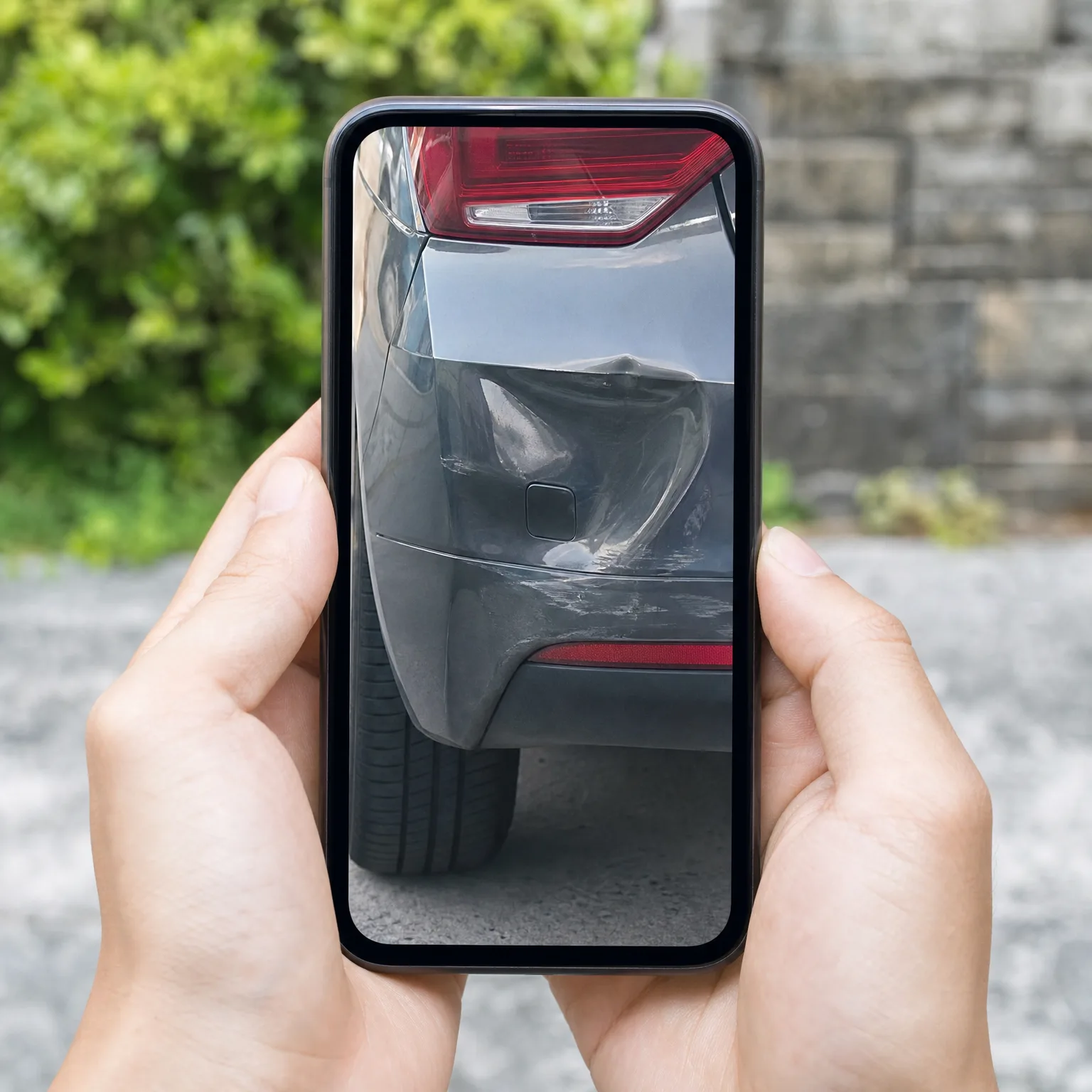
- Fender benders or close calls One scare can be a fluke, but a pattern means the reaction time or judgment needed to drive safely is slipping. Start documenting what happened and when, so the conversation is based on facts instead of worry.
- New damage or others' warnings Unexplained damage to the car, or neighbors and friends mentioning near-misses, often surfaces before you see it yourself. Ask directly and calmly rather than waiting for a bigger incident to force the issue.
- Getting lost on familiar routes Confusion on roads your parent has driven for years points to more than a bad day. Treat it as a signal to involve a doctor, since medical conditions affecting driving are easier to confirm than to argue about.
- The car still needs a plan Stopping driving doesn't erase the insurance question, since a parked car can still need coverage and the policy may need to change. Decide together whether to keep the car insured, sell it or remove it from the policy.
- Who drives it next matters too If you or another family member will drive the car afterward, that changes what the policy needs to look like. Check with the insurer before anyone else gets behind the wheel of that car.
A parent who kept driving short local trips after a close call
One reader's father had been driving the same few miles to the pharmacy and back for decades, and insisted he was fine after clipping a mailbox backing out of the driveway. The family didn't want to take his keys outright, so they started by riding along a few times, quietly watching how he handled turns, signals and traffic. The pattern was clear within a couple of trips. He hesitated at intersections, missed a stop sign once, and got flustered when another car merged near him.
Instead of an ultimatum, they brought it to his doctor at a routine visit, framing it as a question about his reflexes rather than an accusation. The doctor's assessment gave the family a neutral reason to raise the subject again, and it carried more weight coming from a professional. They arranged rides for the pharmacy trip, kept the car insured for a few more months while he adjusted, and eventually sold it once he agreed he didn't need it. The whole process took about two months from the first close call to the car being gone, and nobody had to fight about who was right.

Keeping the parent on the policy a while longer
If you do
The policy stays as it is while the family works out next steps, so there's no gap in coverage if your parent drives occasionally or the car is still needed. You'll need to tell the insurer if driving habits or frequency change, since that can affect the rate or the coverage itself.
If you don't
Removing a parent from the policy or the car right away can simplify things if driving has clearly stopped for good. But if plans change and they drive again unexpectedly, there may be no coverage in place, which leaves everyone exposed until a new policy is set up.
Once you've decided what happens with the car and the policy, compare quotes to find the coverage that fits the plan.
Why this comes down to judgment, not a fixed age
There's no age that determines when someone should stop driving, because driving ability depends on health, reflexes and awareness, not years lived. Two people in their eighties can have completely different capacities behind the wheel, and insurers and doctors both evaluate ability rather than age alone.
What actually predicts risk is a pattern of incidents or near-misses, confusion in familiar settings, or a medical diagnosis that affects reaction time, vision or cognition. One bad moment usually isn't enough to act on, but repetition is a real signal, because it shows the lapse wasn't a one-off.
Doctors and sometimes licensing agencies can require driving evaluations when there's documented concern, and those evaluations carry more authority than family opinion because they're based on actual testing of skills like reaction time and visual processing. This is also why checking with a doctor early helps, since it gives everyone a neutral, evidence-based way to decide rather than an emotional standoff.
Where this plays out differently is when a parent lives somewhere rural with no alternative transportation, or when cognitive decline is gradual rather than sudden. In those cases the decision often happens in stages, with reduced driving, like no highways or no night driving, before stopping completely. The insurance side follows whatever the family decides, not the other way around, so the driving decision should come first.

Can I legally stop my parent from driving if they refuse to quit?
You generally can't force it yourself, but you can report concerns to the licensing agency or a doctor, who can require testing or suspend a license. Laws on this vary by state, so check what your state's motor vehicle agency allows. If your parent has a diagnosed medical condition affecting driving, a doctor's report often carries more legal weight than a family request.
What happens to the car insurance if my parent stops driving but keeps the car?
The policy can usually stay active with reduced use noted, which may lower the cost since the car is driven less. Check with the insurer about how they classify occasional or non-driver status, since this varies by company. If the car sits unused for long stretches, ask about coverage for things like theft or weather damage even without driving.
Should I add my parent to my own car insurance policy instead?
Only if your parent will regularly drive a car that's primarily yours, since insurers base the policy on who actually drives the vehicle most. If your parent has their own car, their own policy usually makes more sense. Combining policies can affect your rate based on your parent's driving record, so ask the insurer how that's calculated before deciding.