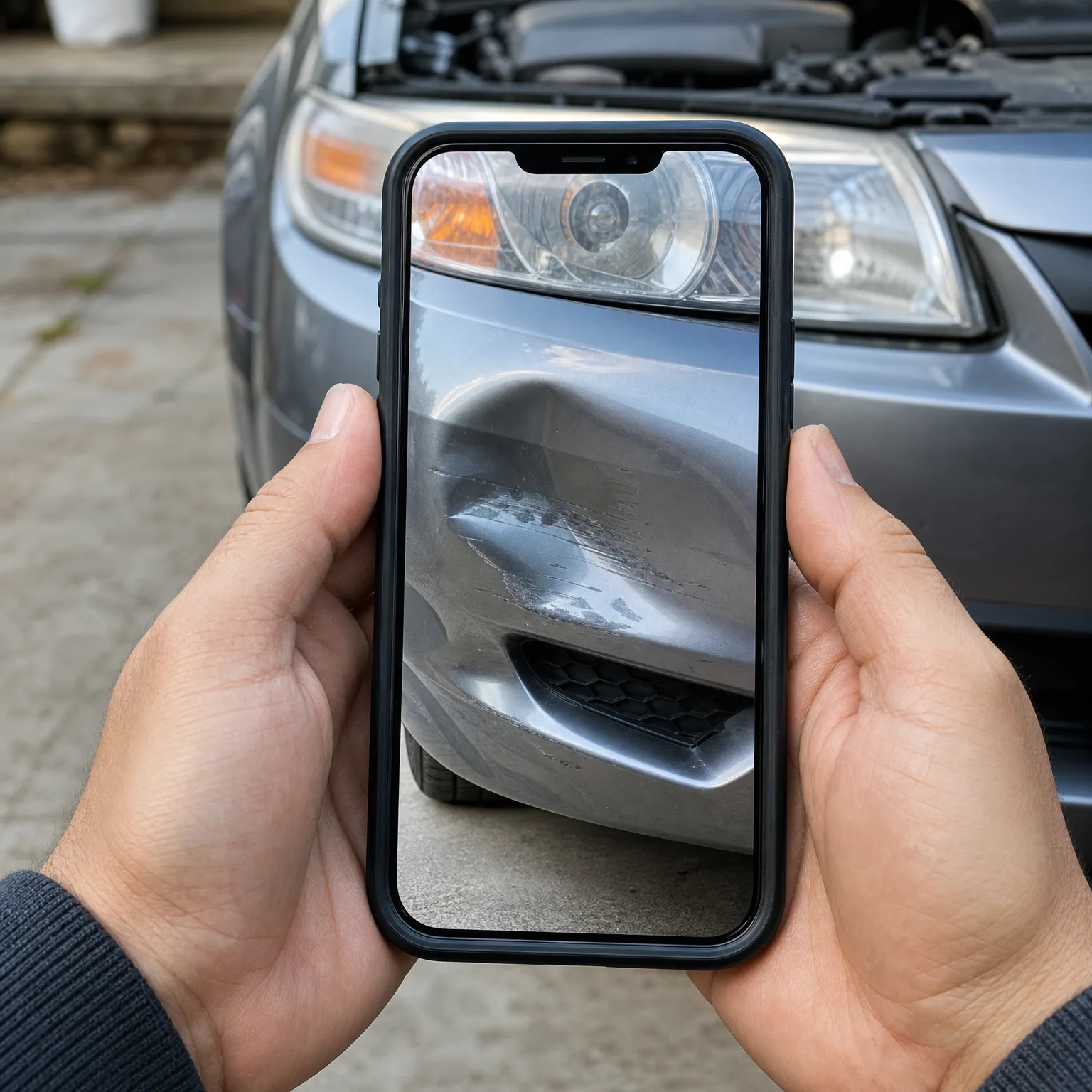
Why Cant I Remove Someone From My Insurance Policy
An insurer won't remove someone from a policy until paperwork proves who's covered, who owns the car and who's responsible.
The policy protects a relationship, not just a person
A car insurance policy is a contract that defines who the insurer is agreeing to cover and under what conditions. When your parent is listed on the policy, the insurer has priced the risk based on that whole picture, including their driving record, their age and the fact that they're a named driver or owner. Pulling them off isn't like deleting a line item. It changes the risk the insurer is agreeing to carry, so they want to see that the change makes sense before they approve it.
This is also why ownership matters so much. If the car is titled in your parent's name, or titled jointly, the insurer generally won't let you remove them as a listed driver or policyholder while they still legally own or regularly drive the vehicle. Insurance has to match reality. You can't insure a car as if someone doesn't exist when they still hold the title or the keys.
There's also a liability piece working in the background. If your parent is removed but still ends up driving the car sometimes, an accident could leave everyone exposed, the insurer could deny the claim, and you could be left covering damages personally. Insurers build in friction here on purpose, because letting people quietly drop drivers who still drive is exactly the gap that leads to denied claims.
Where this varies is in how each state and each insurer handles title transfers, excluded driver endorsements and proof requirements. Some let you formally exclude a driver by name even if they're still in the household. Others require the car be retitled or sold first. That's worth checking directly, since the fix often isn't removing your parent from the policy but changing what the policy says about their role.

The short version
You usually can't remove someone from a policy while they still own or drive the car, because the policy has to match who's actually at risk. The real fix is often a formal excluded driver endorsement or a title change, not a removal request. Call the insurer and ask specifically what proof they need for either option.

When a parent stops driving but keeps the car
Say your father is eighty-two, still owns his sedan, but hasn't driven in months after a fall. You call his insurer to take him off the policy since you're the one handling bills now. The insurer says he can't simply be removed, because he's still the titled owner and technically still licensed. Instead they offer to add an excluded driver endorsement, which keeps him listed as owner but documents that he won't be covered if he drives.
You take that option, sign the paperwork, and ask what happens if he decides to drive again later, even briefly. The agent explains that if he's excluded and still drives, any accident wouldn't be covered under the policy at all, so you talk with him directly about keeping the keys out of reach. A few months later, when he formally gives up his license, you transfer the title to your name and rewrite the policy with you as owner and him off it entirely. The excluded driver step bridged the gap safely until the ownership itself changed.
Once you know which fix applies, the endorsement or the title change, compare quotes for the policy that fits.
What if my parent refuses to be excluded or give up the car?
Then the insurer will keep them on the policy, because an insurer follows legal ownership and licensing status, not family agreements. If your parent still holds the title and a valid license, they have a right to be insured to drive that car, whether or not anyone around them is comfortable with it.
This is less an insurance problem than a family one. You can raise the safety concerns, involve their doctor if driving ability is in question, or talk to the state's licensing agency about a reevaluation if you believe that's warranted. Insurance can document and limit financial exposure, through named driver exclusions or higher liability limits, but it can't settle the underlying question of whether your parent should still be driving. That conversation has to happen directly, sometimes more than once.
The policy follows legal ownership and licensing, so the fix is changing those, not asking to remove a name.
Can I add my elderly parent to my own car insurance policy instead?
Yes, if they live with you or regularly drive your car, most insurers allow this, and it can simplify management since you'd control the billing and paperwork directly. Check whether the insurer requires the car be titled in your name, and ask how your parent's driving history affects your combined rate. If your parent still owns their own car separately, you may need two policies instead of one, so confirm how the insurer handles multiple vehicles under one named policyholder.
What happens to the insurance if my parent stops driving completely?
The policy doesn't cancel itself, so someone has to actively change it, either by excluding your parent as a driver or transferring the vehicle's title and rewriting the policy under a new owner. Leaving the policy unchanged after someone stops driving can mean paying for coverage that no longer matches reality, or unexpected gaps if they drive again unofficially. Check with the insurer about converting it to a non-driver or storage policy if the car itself isn't being sold.
Am I liable if my parent causes an accident and I manage their policy?
Managing the paperwork doesn't make you financially liable, but being a co-owner or co-policyholder can, depending on how the policy and title are structured. Liability generally follows ownership and who's listed as an insured driver, not who pays the bill or calls the insurer. Check your state's rules on vehicle owner liability, since some states hold titled owners partly responsible for accidents even if they weren't driving.