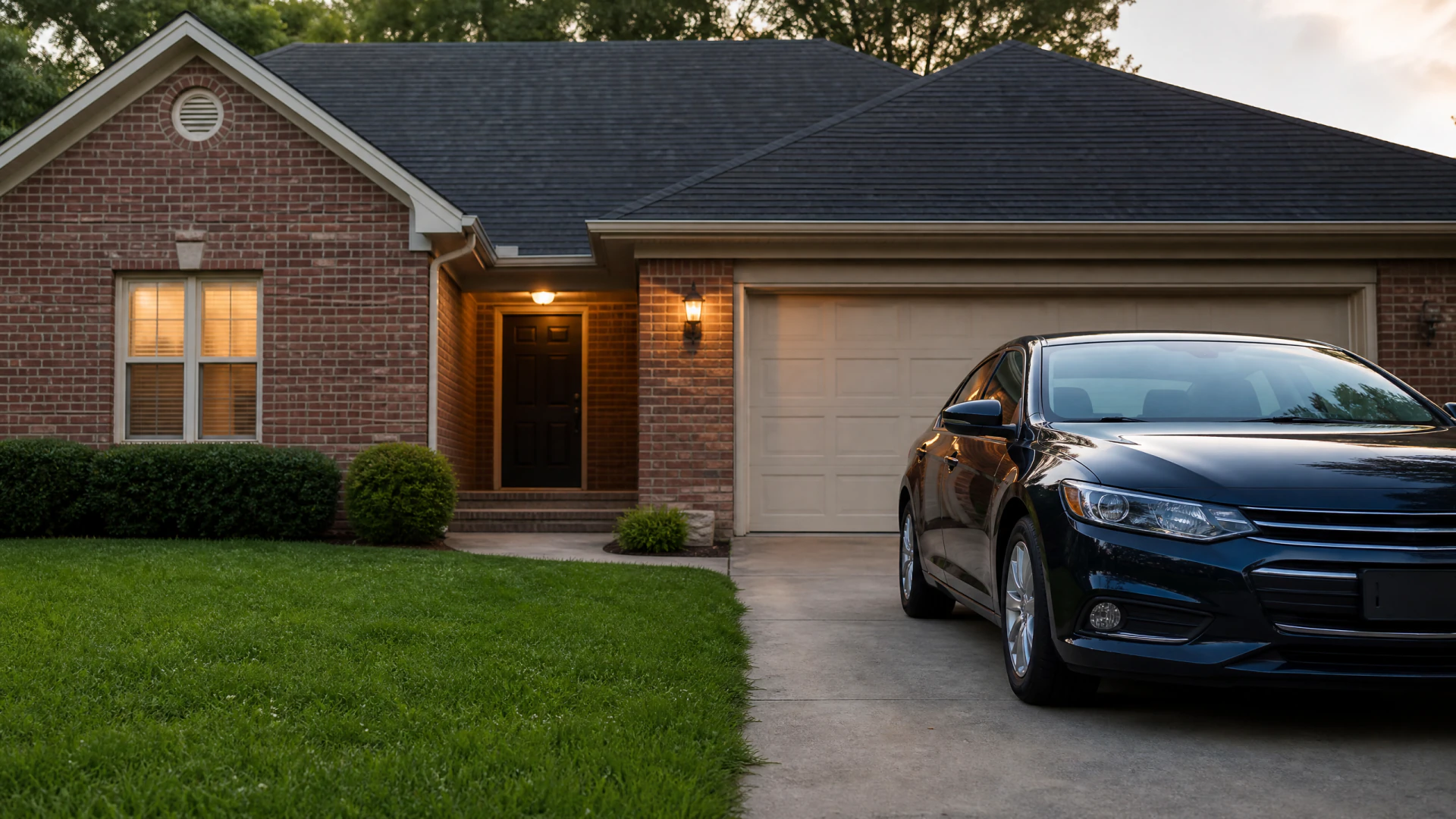
Why Do Car Insurers Want to Know Who Lives in Your Home
Insurers ask because everyone in a household can end up driving the car, and they price the policy on that risk.
They're pricing every driver who could plausibly get behind the wheel
Car insurance covers a vehicle, but it's underwritten around the people likely to drive it. When an insurer asks who lives in the home, they're trying to find every adult who has regular access to the car, whether or not that person is named on the policy. A parent living alone, a parent who just moved in with you, or a parent whose adult child now manages the paperwork all describe different households, and the insurer wants the real one on file.
This matters because unlisted drivers are a common source of denied claims. If your parent has an accident and the person driving turns out to be a household member the insurer never knew about, the insurer can argue the policy was sold on bad information. That doesn't always void coverage, but it gives the insurer grounds to dispute it, and that's a fight no one wants to have after a crash.
The household question also shapes pricing directly. A policy covering a household of one retired driver looks different from one that includes an adult child who stays over often or a grandchild who borrows the car on weekends. Insurers aren't trying to catch anyone, they're trying to match the premium to the actual exposure, and exposure changes when the people in the home change.
Where this gets inconsistent is in the details. Some insurers want every resident listed regardless of whether they drive, others only care about licensed drivers, and some draw the line differently for someone who stays a few nights a week versus someone who lives there full time. Ask your parent's insurer directly what counts as a household member for their purposes, because the definition isn't universal and getting it wrong is the costly part.
When a move-in changed what the insurer needed to know
A woman in her fifties had her father move into her spare room after his wife passed. He still owned his car and had his own policy, and nothing about the car itself had changed. But his address had, and so had his household. She called his insurer to update it, assuming it was a formality.
The insurer asked whether she or her husband ever drove his car, since they were now both residents of record. She said occasionally, when they ran errands together. That answer led the insurer to add her as an occasional driver on her father's policy, which raised his premium slightly but closed a gap that could have caused problems later. When her father backed into a neighbor's mailbox a few months afterward, the claim went through without any question about who lived in the home or who had access to the car, because the file already matched reality.

Whether you update the household info with your parent's insurer
If you do
The policy reflects who actually lives in the home and who might drive the car. If your parent has a claim, the insurer has no grounds to say the policy was based on false information. Premiums might shift a little, but you avoid a dispute at the exact moment your parent needs the claim paid.
If you don't
The policy stays based on outdated information. If an accident happens and the insurer discovers someone undisclosed was living there or driving regularly, they can investigate the claim more closely or deny it outright. You find this out after the damage is done, not before, when there's no way to fix it.
Once your parent's household is accurately on file, compare quotes to see what that household actually costs to insure.

What to check before you call your parent's insurer
- Who counts as a resident Insurers vary on whether a frequent visitor counts as household. Ask your parent's insurer their specific threshold before you decide what to report.
- Occasional versus listed drivers If you or others drive your parent's car sometimes, that's different from living there. Clarify which category applies so the policy prices it correctly.
- Update after any address change A move, even temporary, can change who the insurer considers household. Report it promptly rather than waiting for a renewal cycle.
- Ask what triggers a review Some insurers only reassess household when you report a change, others review periodically. Find out which applies so you're not caught off guard.
- Keep records of updates Note the date and details of any household update you give the insurer. This protects you if a claim later raises questions about what was known and when.

Do I need to be added to my parent's policy if I just help with paperwork?
Not necessarily. Handling bills and calls for your parent doesn't make you a household member or a driver in the insurer's eyes. What matters is whether you live there or drive the car with any regularity, not whether you manage the account.
If you're purely administrative, say so clearly when you talk to the insurer, so they don't assume more involvement than there is. But if your role expands, if you start staying over often or driving your parent places regularly, that's worth another conversation, because that shift in access is exactly what insurers are trying to track when they ask about the household in the first place.