Your Liability If a Parent Causes an Accident
You're not personally liable for your parent's accident unless your name is on the policy or you were driving.
Liability follows the policy and the driver, not the family tie
Car insurance liability attaches to whoever owns the policy and whoever was behind the wheel. If your parent owns their car and carries their own insurance, that policy is what pays out if they cause an accident, not you, even if you handle their bills or live nearby. Being helpful with paperwork does not make you legally responsible for what happens on the road.
This changes the moment you're added to the policy as an owner or the vehicle is titled in your name. Some states also recognize something called a family purpose doctrine, which can make a vehicle owner liable for damage caused by a family member driving with permission, regardless of whose name is on the insurance. Whether that applies to you depends entirely on where your parent lives, so this is worth checking directly with the insurer or a local agent.
The other situation that pulls you in is co-signing or jointly owning the car itself. If you're listed as an owner, insurers and courts may treat you as having an interest in how that vehicle is used, which can expose you even if you never drive it. This is separate from being listed as a driver on the policy, which mainly affects rates and coverage, not liability.
If your parent is fully capable and the policy and title are entirely theirs, your exposure is limited. The risk grows only as your name gets attached to the car, the policy, or the driving itself.

When a daughter found out she wasn't on the hook
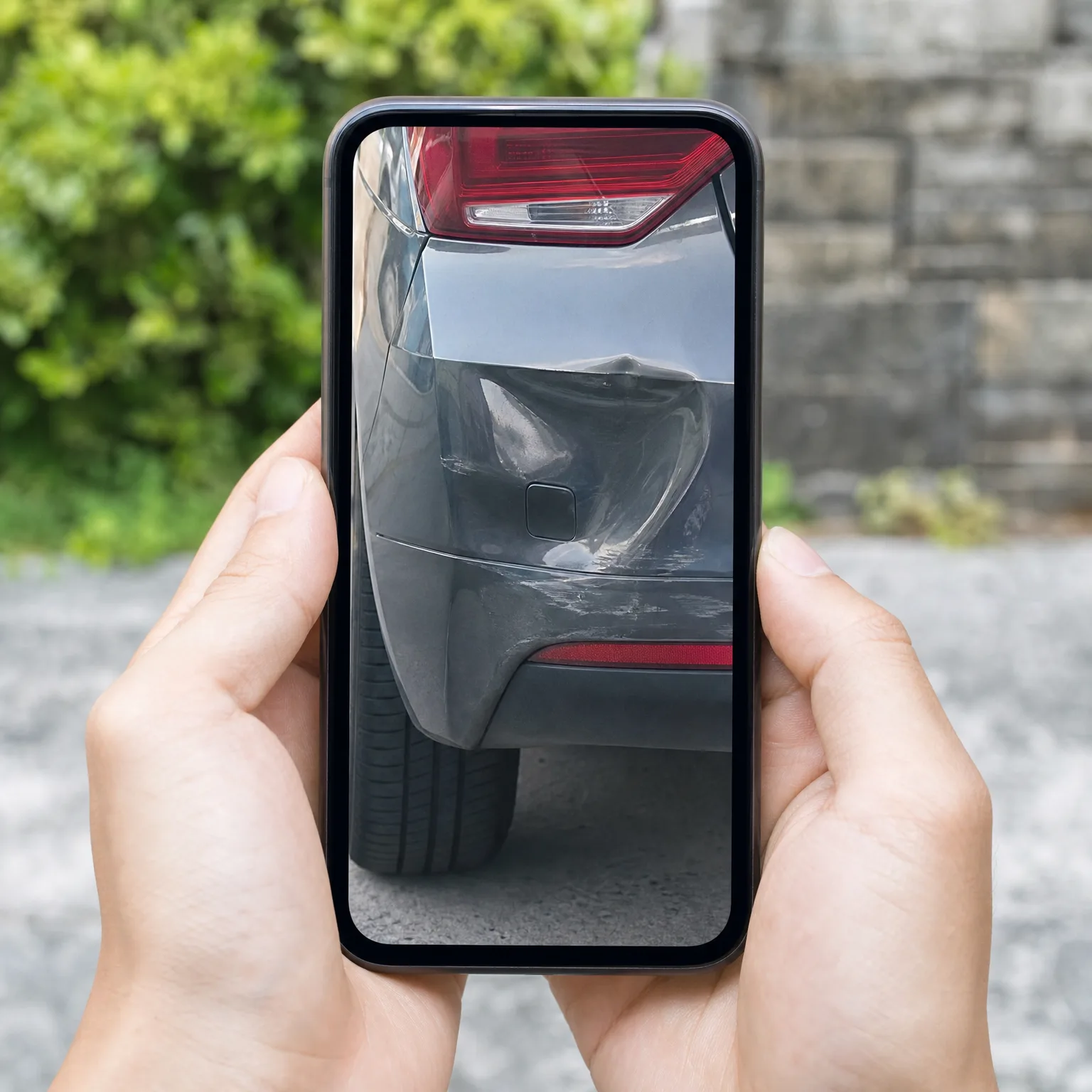
A woman took over her father's bills after he had a minor stroke, including his car insurance renewal. She worried that paying his premium or calling the insurer on his behalf made her responsible if he got into an accident. She asked the insurer directly during a routine call and learned that the policy was entirely in his name and she was not listed anywhere on it.
Months later he was at fault in a fender bender. The claim went against his policy, his rates went up, and he paid the deductible. She was not named in the claim and faced no liability, because nothing about her role had changed his legal responsibility. The experience led her to ask about the family purpose doctrine in her state, just to be sure, and confirm it didn't apply to their situation either.

Whether to add yourself to your parent's policy
If you do
You become a named driver or co-owner, which can increase your liability where the family purpose doctrine applies. It may also affect your own insurance history and rates. You gain visibility into claims and renewals, but take on legal exposure you didn't have. Confirm with the insurer exactly what your name changes.
If you don't
Your parent's policy stays theirs alone, and their driving record and claims stay separate from yours. You can still help with payments and paperwork without being named. If they stop driving or the car changes hands, nothing about your own insurance shifts. You may have less direct access to policy details.
Once you know where your liability actually starts, compare quotes for coverage that matches your parent's situation.

Does adding my parent to my insurance policy make me liable for their accidents?
Yes, once your parent is on your policy, their driving becomes part of what your insurer covers, and a serious accident can affect your rates and your claims history. This is different from them having their own separate policy. If you're considering this, ask the insurer how an at-fault accident involving your parent would be handled under your policy specifically, since some insurers treat added drivers differently than owners. The answer changes if your parent is only an occasional driver versus the primary one.
What happens to my parent's insurance if they stop driving but still own the car?
The policy can usually be adjusted to a lower-liability or storage-only type of coverage if the car isn't being driven, which often costs less. The car still needs some coverage if it's titled and kept on the road or driveway, since an uninsured parked vehicle can create liability if it's ever moved or involved in an incident. Check with the insurer about what qualifies as non-operational coverage in your state, because the requirements and savings vary.
Can I be sued personally if my parent causes a serious accident?
Generally no, unless you own the vehicle, are named on the policy, or were a passenger directing the driving in some way. Lawsuits typically target the driver and the policy covering the vehicle, not family members who weren't involved. This can change if you co-signed the car loan or title, or if your state's family purpose doctrine extends liability to vehicle owners. A local attorney or the insurer can clarify exactly how your state treats this.
Your name on the paperwork, not your role in your parent's life, is what decides your liability.