Am I Covered if Hit by an Uninsured Driver
You're covered only if the policy includes uninsured motorist coverage, so that's the first thing to confirm.
Why this depends on one specific coverage, not the policy overall
Liability insurance, which most states require, only pays for damage the other driver causes to someone else. It says nothing about what happens when your parent is the one hit by someone carrying no insurance at all. That gap is exactly what uninsured motorist coverage is built to close, and without it, the policy may not respond to this situation no matter how complete it looks otherwise.
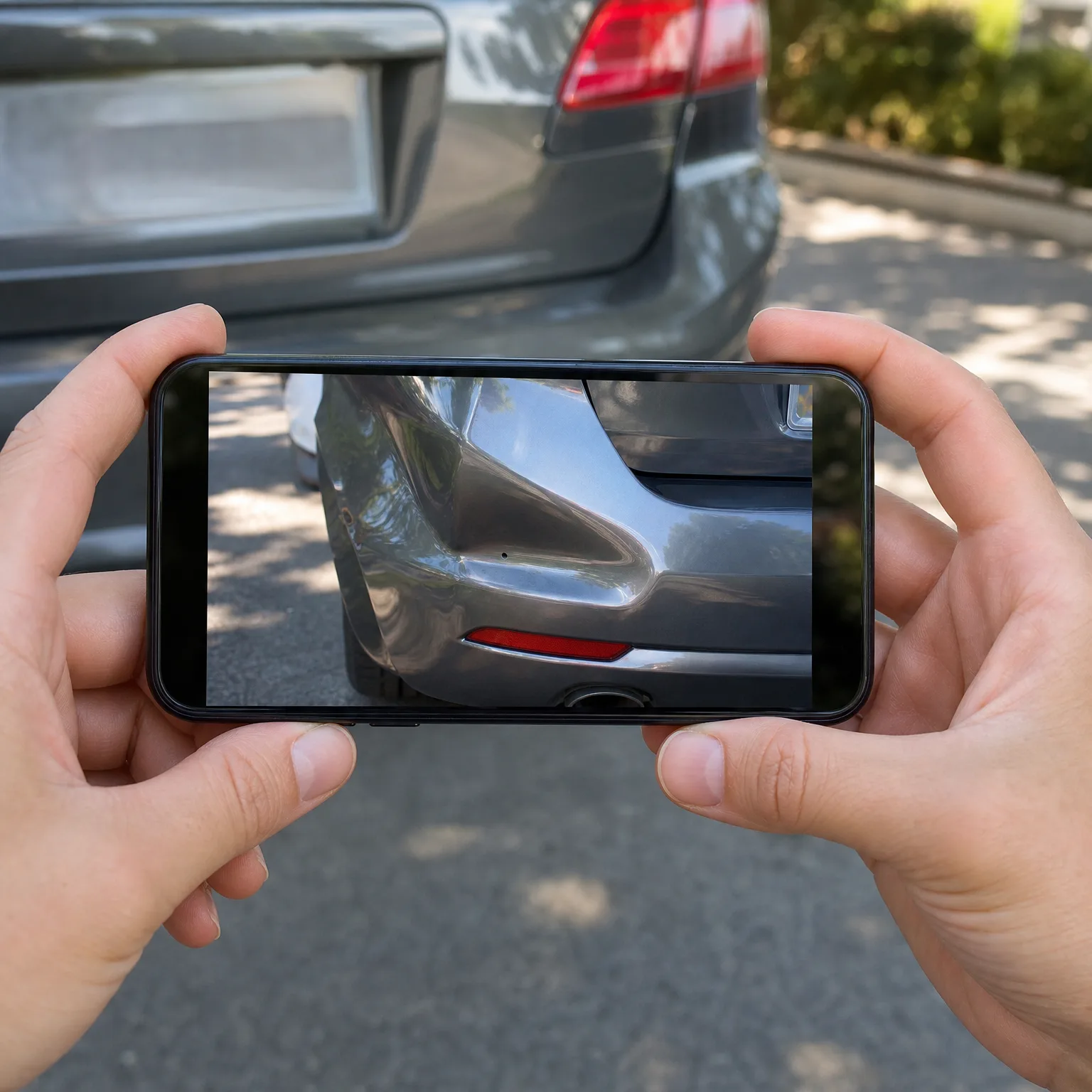
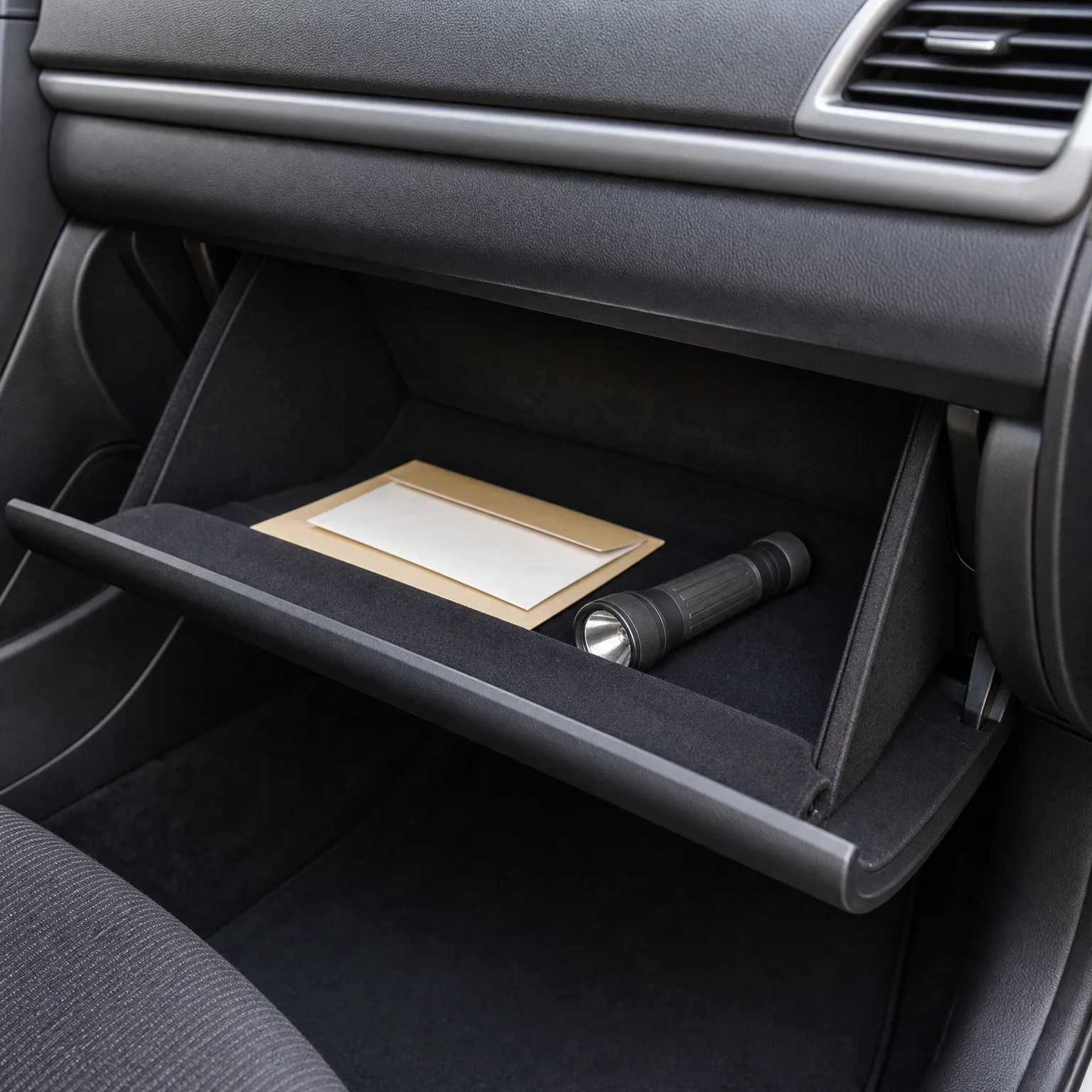
Uninsured motorist coverage pays for injuries, and in some cases property damage, when the at-fault driver has no insurance or can't be identified, like in a hit and run. Some states require insurers to offer it, others require the driver to actively decline it in writing, and a few don't require it at all. Because of that, you can't assume your parent has it just because the policy seems otherwise solid. Check the declarations page or call the insurer directly and ask whether uninsured and underinsured motorist coverage are included.
Underinsured motorist coverage works the same way but covers the gap when the other driver has insurance that isn't enough to pay for the damage. The two often get bundled together, but not always, so ask about both by name. If your parent lives in a state with high rates of uninsured drivers, this coverage matters more than it might elsewhere, and it's worth checking what's typical in their state.
If the coverage isn't there, adding it usually doesn't cost much relative to the protection it offers, especially for a driver in their late seventies or eighties who may be more vulnerable to serious injury in a crash. This is one of the clearest cases where a small addition to the policy changes what happens in a worst case scenario.
What to check before you assume your parent is covered
- Confirm uninsured coverage This is the specific coverage that pays when the other driver has no insurance. Look at the declarations page or call the insurer and ask directly if it's included.
- Confirm underinsured coverage This pays when the other driver has insurance but not enough. It's often paired with uninsured coverage but not automatically, so ask about it separately.
- Check if your state requires it Some states require insurers to offer this coverage, others require drivers to decline it in writing. Find out what applies where your parent lives and drives.
- Ask what it actually pays for Some policies cover injuries only, others include property damage too. Know which one your parent has so you're not surprised after an accident.
- Review the coverage limit Uninsured motorist coverage has its own limit, separate from liability limits. Make sure it's enough to matter, not just technically present.

Once you know whether this coverage is there, compare quotes to see what adding or increasing it would actually cost.

Whether you confirm this coverage before anything happens
If you do
You find out exactly what the policy covers while there's no pressure and no deadline. If something is missing, you can add it calmly, call the insurer with questions, and adjust limits. Your parent stays protected, and you're not scrambling to understand a policy for the first time right after a crash.
If you don't
You find out what the policy covers only after an accident, when your parent may be injured and you're dealing with claims and bills all at once. If the coverage isn't there, there may be no way to pay for damage the other driver caused, and that falls on your parent or you.
What if the uninsured driver who hit my parent can't be found or sued?
This is exactly what uninsured motorist coverage is designed for, including hit and run situations where the other driver is never identified. Your parent's own policy steps in and pays as if the uninsured driver had insurance, up to the coverage limit, regardless of whether that driver is ever found.
This is one of the strongest reasons to confirm this coverage exists, because without it, a hit and run can leave your parent with injuries or damage and no clear way to recover costs from anyone. The claim is filed with your parent's own insurer, not the other driver's, so having adequate coverage in place beforehand is what determines whether this situation is manageable or financially serious.
Good overall coverage doesn't guarantee this specific protection, so check this one coverage by name.