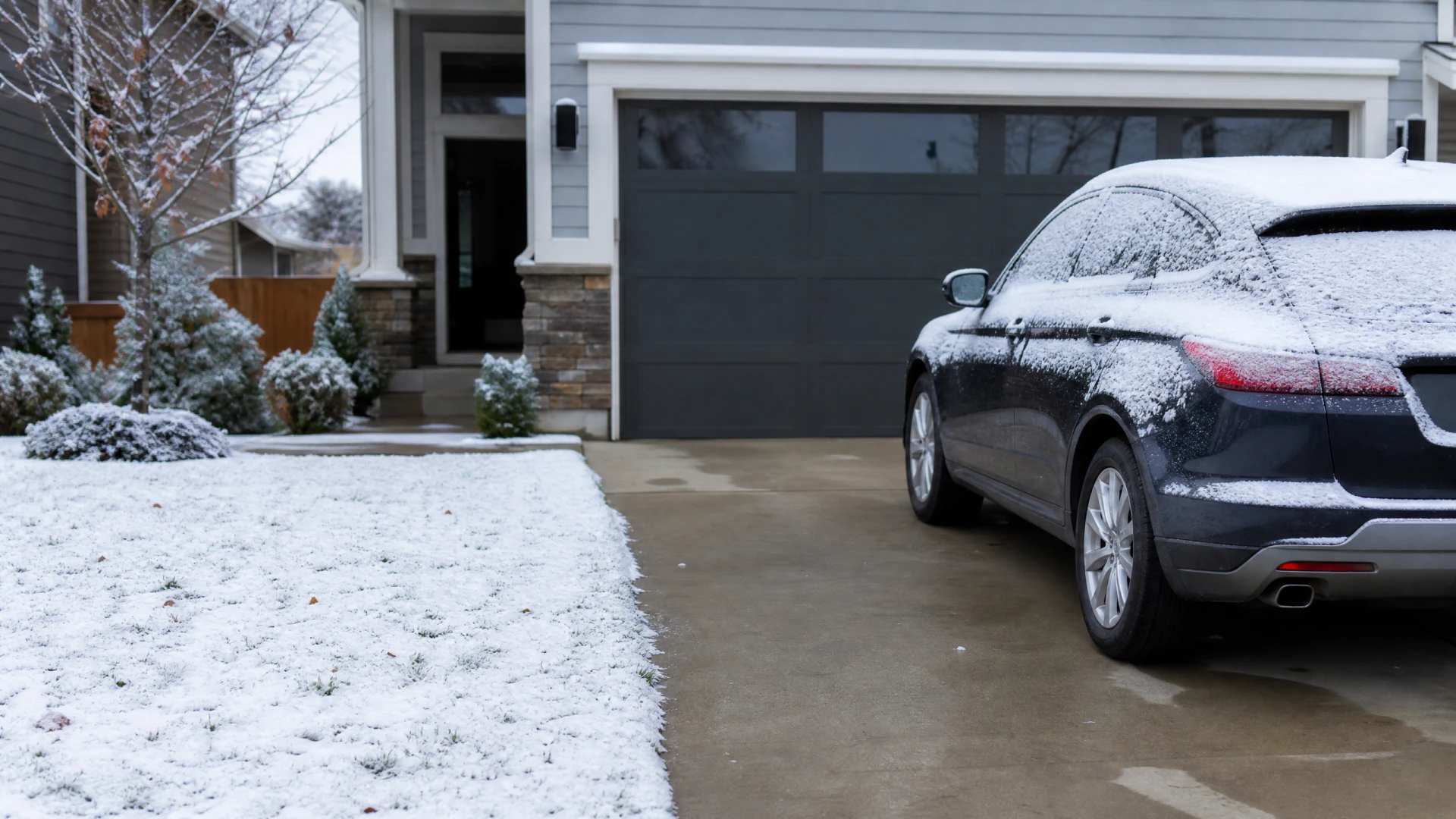
Am I Liable if Someone Else Crashes My Car
In most cases, the car's insurance pays first, no matter who was driving, so the policy on the vehicle matters most.

What decides who pays after a crash
- The car's policy comes first Insurance generally follows the vehicle, not the driver. If your parent crashes your car, your policy is the first one that responds to the claim.
- Permission matters a lot If you gave your parent permission to drive the car, that usually protects you. Keep that permission casual but real, and don't let someone drive it you'd never approve.
- Your limits are now their limits Whatever coverage limits you chose apply to any crash in that car, including one your parent causes. Check your liability limits now, before you need them.
- A second policy can still apply If your parent has their own policy on a different car, it may kick in as backup if damages go beyond your limits. Ask their insurer how their policy treats accidents in someone else's car.
- Frequent use changes the answer If your parent drives your car regularly, insurers may expect them listed on your policy. Call your insurer and tell them the real pattern of who drives the car and how often.
Should I add my parent to my policy or get them their own?
It depends on how often they actually drive the car and whether they still have a license and a policy of their own. If your parent drives your car regularly, insurers usually want them listed as a driver on your policy, even if they're not the owner. Leaving a regular driver off the policy can cause real problems later, including a denied claim if the insurer finds out they drive the car often and were never mentioned.
If your parent drives occasionally, with your permission, most policies cover that without adding them. If your parent still owns and insures their own car, keeping that policy active may make sense as a backup layer, especially if they sometimes drive other cars too. Call your insurer, describe the actual situation, and let them tell you what their rules require rather than guessing.
The car carries the coverage, so protect your parent by checking your policy, not just trusting their driving.
Once you know your policy covers your parent correctly, compare quotes to make sure your limits still fit your needs.
When a parent borrows the car for a weekly errand
Say your mother lives nearby and borrows your car most Saturdays to get groceries, since her own car sits mostly unused now. One Saturday she backs into another car in the parking lot. It's a small claim, but it still has to go through insurance, and you want to know whose policy handles it and what happens to your rates.
Because it's your car, your insurance is the one that responds first. You had given her permission, it wasn't a one-time favor, and she wasn't using the car for anything excluded like deliveries. You call your insurer, describe what happened, and because she drives it almost every week, they suggest adding her as a listed driver going forward. You do, your policy adjusts, and the claim moves forward without an argument over coverage. The accident still affects your record, but there's no fight about whether the policy applies, because you already knew it would.
Why the car's policy carries the weight
Auto insurance is built around the vehicle because that's the thing being driven and the thing capable of causing damage. The policy is attached to the car first, and the driver's own coverage, if they have one, usually steps in only after that policy is used up or doesn't apply. This is why your limits matter even when you're not the one driving.
Permission is the hinge the whole thing turns on. If you hand someone your keys, insurers treat that as consent for them to use your coverage too. That's different from someone taking your car without asking, or using it for something you never agreed to, like paid driving work. Those situations can void coverage entirely, which is why it matters who drives your car and under what understanding.
Frequency changes how insurers see the situation. A single favor is treated differently than a standing arrangement. When someone drives your car regularly, insurers expect to know about it, because it changes the real risk they're pricing. Leaving that out isn't fraud exactly, but it can give an insurer grounds to question a claim later, right when you need it to go smoothly.
State rules shift some of the details, including how liability is assigned when both drivers share some fault, and how backup coverage from a second policy is calculated. Insurers also differ in how they define a regular driver or how many miles or days count as frequent use. Ask your insurer directly how they define it, since relying on a general rule can leave you guessing at the exact moment it matters most.