At What Point Should I Drop Collision Coverage
Drop collision coverage once the payout you'd get wouldn't be worth much more than what you're paying to keep it.
It comes down to what the car is worth versus what you pay
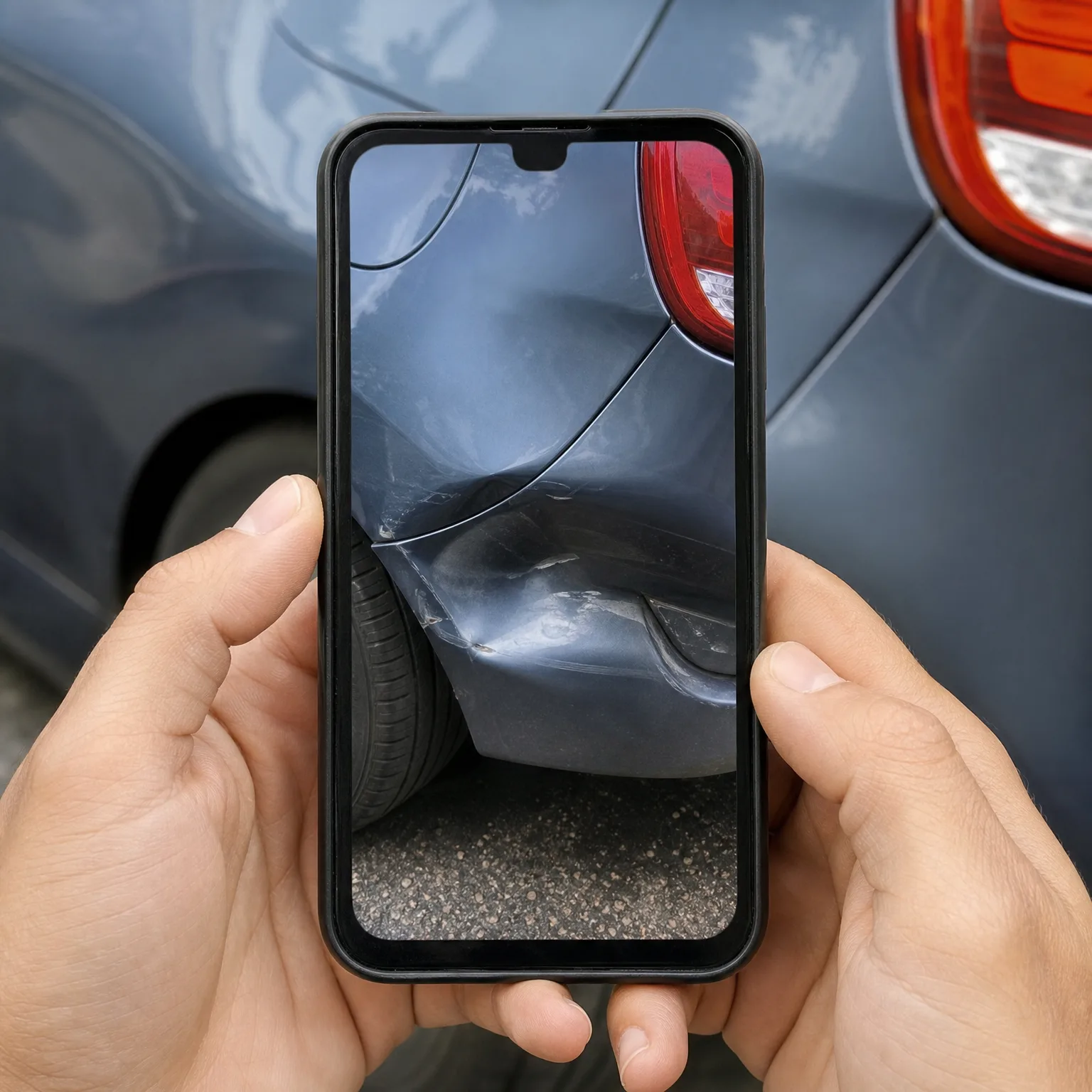
Collision coverage pays to repair or replace your parent's car after an accident, but only up to what the car is actually worth right now, not what it cost new or what it would cost to replace with something similar. As a car ages, that value drops every year, while the cost of carrying collision coverage often stays close to the same. At some point the math flips, and you're paying a yearly cost that rivals a good chunk of what the car would even be worth if it were totaled.
The way to see this clearly is to find out what the car is actually worth today, then compare that to what collision coverage costs for a year. If the yearly cost is creeping up near a meaningful slice of the car's value, you're paying a lot for a payout that's shrinking. Some insurers and some financial advisors use a rough guideline where coverage stops making sense once the premium reaches around a tenth of the car's value, but there's no single rule and insurers calculate value differently, so ask for the car's actual cash value estimate directly from the insurer when you're deciding.
There are cases where this doesn't apply cleanly. If your parent still owes money on the car through a loan or lease, the lender almost always requires collision coverage regardless of the car's age or value, so that decision isn't really yours or your parent's to make until the loan is paid off. And if your parent relies on this car as their only way to get to medical appointments or groceries, you might decide the peace of mind of a replacement payout is worth keeping the coverage a little longer than the math alone suggests.
State rules don't dictate collision coverage itself since it's optional everywhere, but they can affect related things like what your insurer owes you in a payout or how claims get settled, so it's worth asking the insurer directly how their valuation process works in your parent's state.
What to check before you drop it
- Get the car's real value Ask the insurer for the car's actual cash value, not a guess from a used car website. This number is what any payout would be based on, and it's the real starting point for the decision.
- Compare that to the premium Look at what collision coverage costs for a full year and weigh it against the car's value. If the yearly cost is a large share of what the car is worth, the coverage is doing less for the money.
- Check for a loan or lease If your parent is still financing the car, the lender requires collision coverage until the loan is paid off. You can't drop it early even if the math says you should.
- Ask about gap in driving needs Think about whether your parent depends on this car daily or could manage without it for a while if it were totaled. That changes how much the payout actually matters to them.
- Revisit it every year A car's value keeps dropping even after you've made this decision once. Recheck the math annually instead of deciding once and leaving it alone for good.
What should I keep instead if I drop collision coverage?
Most people who drop collision coverage keep liability coverage in place, since that's what protects your parent financially if they cause an accident and damage someone else's car or property. Liability is required in some form almost everywhere, so dropping collision doesn't touch that requirement at all.
Some people also keep comprehensive coverage even after dropping collision, since comprehensive handles things like theft, fire, weather damage or a deer in the road, and it tends to cost less than collision does. If the car is at an age where collision doesn't make sense anymore, comprehensive might still be worth keeping because the cost is lower relative to what it protects.
Talk to the insurer about which pieces make sense together, since coverage options interact differently depending on the policy and the state.
Once you know what the car is worth, compare quotes to see what dropping collision would actually save.

Dropping collision coverage on your parent's car
If you do
You stop paying for collision coverage, which lowers the monthly premium right away. If your parent is in an accident that's their fault, there's no payout to repair or replace the car, so any repair costs come out of pocket. You keep liability and any other coverage you chose to keep.
If you don't
You keep paying the premium for collision coverage every month, which may now be a large share of what the car is actually worth. If the car is totaled or badly damaged, the insurer pays out based on the car's current value, not what it would cost to replace it with something newer.

A car worth less than a year of coverage
One reader took over her father's insurance bills after he moved in with her, and noticed the collision coverage on his twelve year old sedan cost nearly as much per year as the car was worth. She called the insurer and asked for the car's actual cash value, which came back lower than she expected, low enough that even a full payout wouldn't cover much more than a used replacement at a similar age.
She checked that the car was paid off, with no loan requiring the coverage, and talked to her father about how often he still drove it. He used it mostly for short trips to the pharmacy and to see friends nearby, not for anything he couldn't manage without for a while if it came to that. She dropped the collision coverage but kept comprehensive, since the cost difference was significant and comprehensive still covered weather and theft. Her father's monthly premium dropped noticeably, and she set a reminder to recheck the car's value again the following year.
Does dropping collision coverage affect my parent's liability protection?
No, liability coverage is separate and stays in place regardless of what you do with collision. Liability covers damage or injury your parent causes to someone else, while collision only covers damage to your parent's own car. Dropping one doesn't change the other, so your parent is still protected against claims from other people even without collision coverage.
Can I add my parent to my own policy instead of managing theirs separately?
Sometimes, but it depends on the insurer and whether your parent lives with you or primarily drives a car registered in your household. Some insurers allow this, others don't, especially if your parent's car is registered and garaged at a different address. Ask the insurer directly what their rules are, since this varies by company and sometimes by state.
What happens to the policy if my parent stops driving completely?
If your parent stops driving for good, you can usually cancel the policy entirely or reduce it to a minimal coverage that satisfies state storage requirements if the car isn't being driven. Check with the insurer about what's required if the car stays registered but parked, since some states still require some coverage even for a car that never leaves the driveway.