Can You Get a Copy of a Police Report You Made
Yes, you can request a copy of a report you filed, usually from the records division of the responding department.
What to know before you request your report
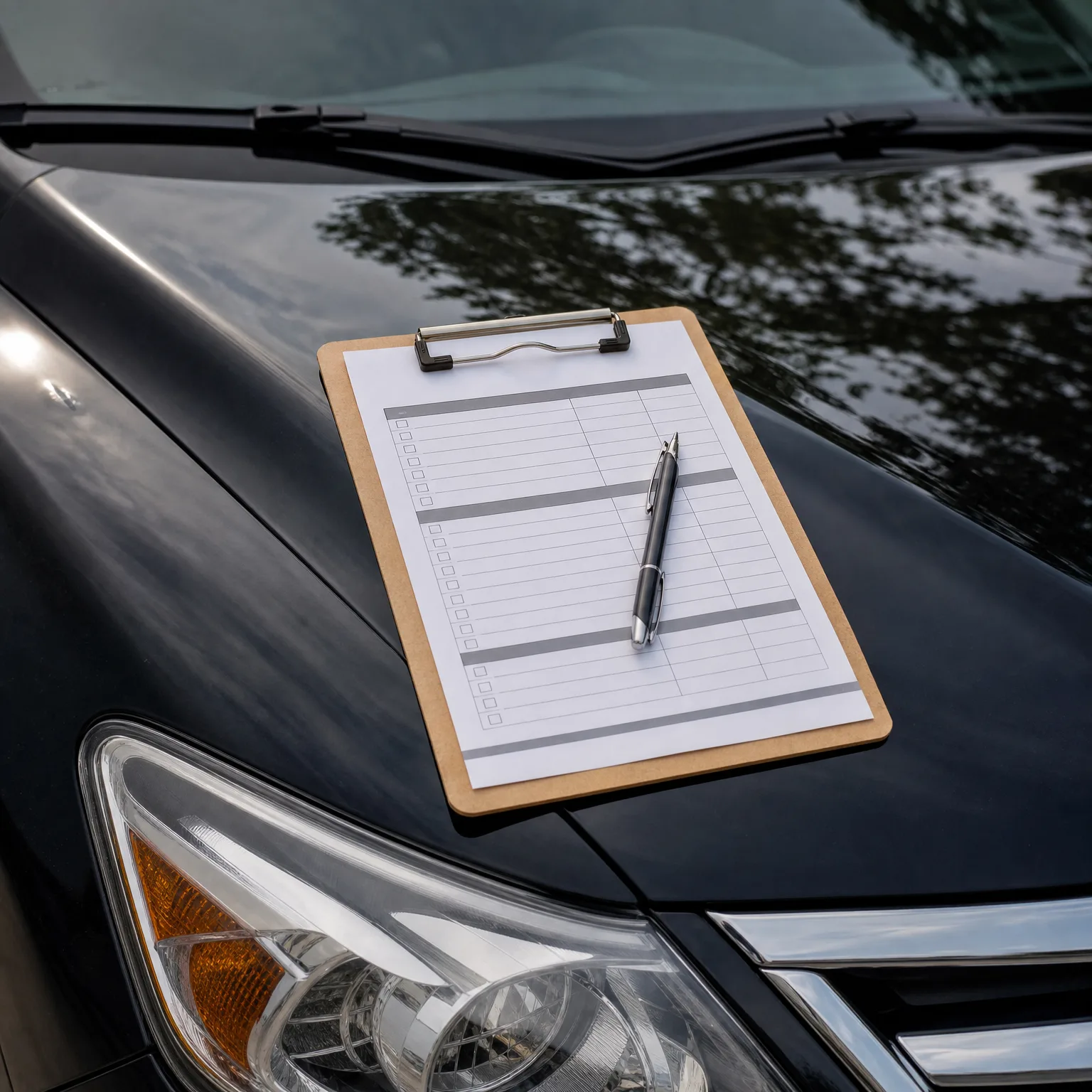
- Where to ask Go to the records division of the department that responded, not a general phone line. Their website usually lists how they handle report requests, whether online, by mail, or in person.
- What you'll need Have the report number, date, and location ready, along with your ID. If you don't have the report number, give the officer's name or the exact date and address of the incident.
- How long it takes Reports aren't always ready right away, especially if the case is still open. Ask the records division for a realistic timeline instead of assuming it's available immediately.
- Give your insurer the number Your insurer can often request the report directly once they have the report number. This saves you a step and keeps the claim moving even before you have the physical copy.
- Check for a fee Some departments charge a small fee for copies, others don't. This varies by department, so ask when you call or check their website.
What if the report has mistakes in it?
You can ask the department to correct it, but the process depends on what kind of mistake it is.
Small errors, like a misspelled name or wrong street number, are usually easy to fix. Call the records division or the reporting officer and explain what's wrong. They may ask you to submit the correction in writing.
Disagreements about what happened, like who they decided was at fault, are harder to change. Police reports reflect the officer's judgment at the scene, and departments don't usually rewrite that opinion just because you disagree. If this is your situation, tell your insurer directly. You can explain your side of events and provide any evidence you have, like photos or witness statements, even if the report itself doesn't change.

Should you request the report yourself or let your insurer handle it
If you do
You get the report in hand faster and can read exactly what it says before your insurer does. This matters if you want to check it for errors early or if you need it for something beyond the claim, like a legal matter.
If you don't
Your insurer requests it using the report number, which saves you time and paperwork. This works fine if you trust the report is accurate and just need your claim to move forward without extra steps on your end.
Once you know how to get your report and what it means for your claim, compare quotes with that information in hand.


Getting the report after a parking lot collision
You were backing out of a parking space when another car hit you. An officer came, took statements, and gave you a card with a report number on it. A few days later your insurer asked for the report to process your claim, but you didn't have a copy yet, just the number.
You called the records division listed on the department's website and gave them the report number along with your name and the date of the incident. They told you it would take a few days to process since the officer still needed to file his notes. You passed the report number to your insurer in the meantime so they could start requesting it on their end too. A week later you picked up a copy in person, read through it, and confirmed the details matched what you remembered. Your insurer already had it by then and your claim moved forward without you needing to do anything else.

The report number matters more than the paper itself, since it's what actually moves your claim forward.