Do I Still Have to Make Payments on a Totaled Car With Gap
You keep paying until the insurance and gap payout actually reach your lender, not from the day the car was totaled.
Why the loan doesn't just disappear right away
Your loan is a separate contract from your insurance policy. The lender agreed to be paid back on a schedule, and totaling the car doesn't cancel that agreement. It only triggers a process that, if it works correctly, ends with the loan paid off instead of you paying it off yourself.
That process takes time. The insurer has to determine the car's value, gap coverage has to confirm what's actually owed versus what the primary insurer is paying, and then both payments have to be sent to the lender and processed. Until the lender has received the full amount and closed the loan, the account is still open and still accruing whatever it normally would.
Gap coverage specifically covers the difference between what your car was worth and what you still owed. It doesn't cover late fees, missed payments from before the accident, or extra charges your loan agreement allows for. If you stop paying while waiting for the claim to settle, those charges land on you even after the gap payout comes through.
The exact timeline and rules depend on your insurer, your gap provider, and sometimes your state. Some insurers pay the lender directly and coordinate the gap payment automatically. Others expect you to stay current while the claim moves through the process. Check your policy and your loan agreement to see which applies to you.
What if the gap payout doesn't fully cover what I owe?
This happens less often than people fear, but it's possible. Gap coverage is designed to close the difference between the car's value and your loan balance, but it may have its own limits, exclusions, or conditions tied to how the loan was structured.
If a balance remains after both payments are applied, you're responsible for it, the same as any other loan balance. Check your gap policy for what it excludes, things like added warranties, rolled-over negative equity from a previous loan, or missed payments can sometimes fall outside what gap will pay. If you're unsure, ask your gap provider directly what the payout would cover before you're relying on it.
Once you understand how payments and gap coverage fit together, compare quotes that protect you the way you expect.
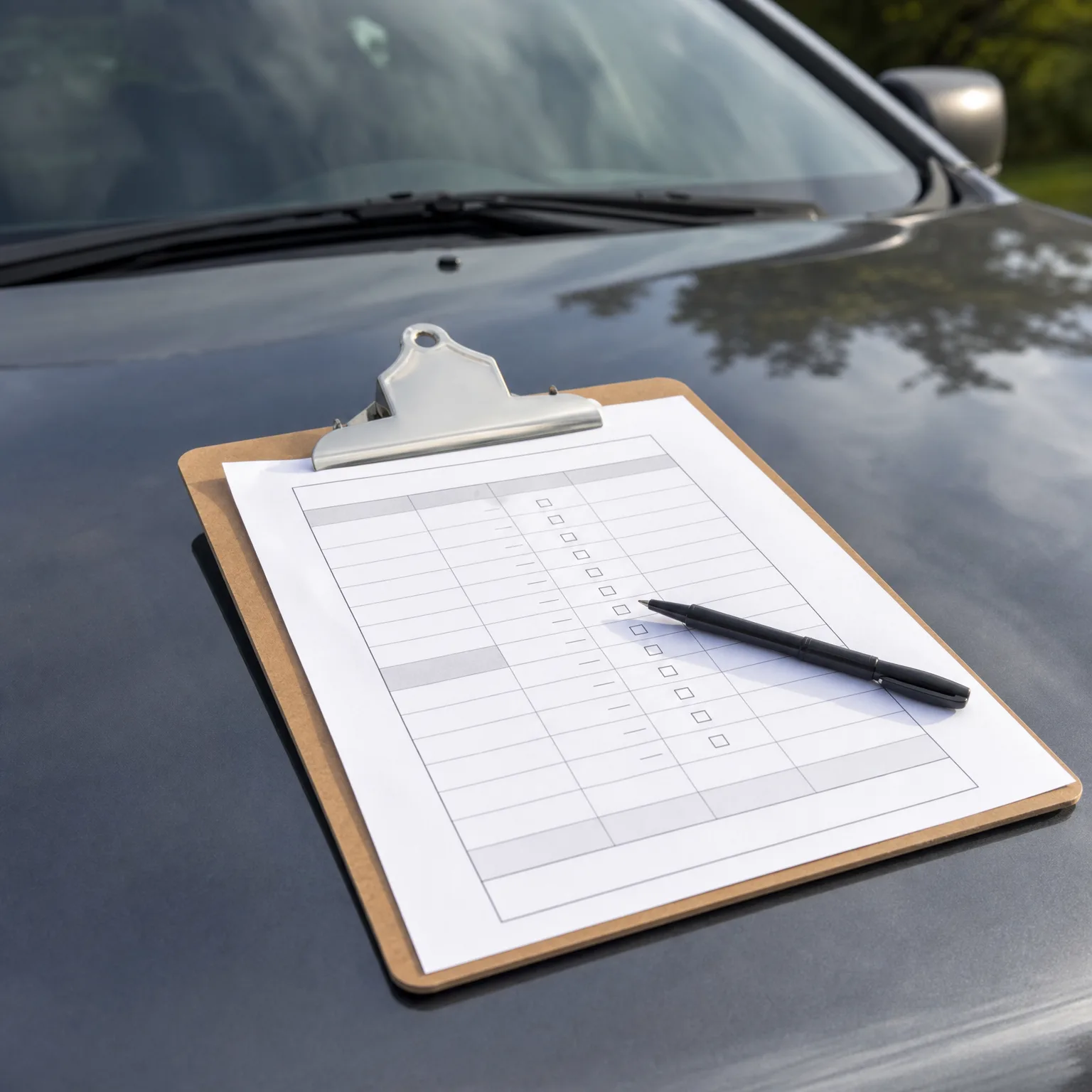
What to do while the claim is being settled
- Keep making payments Stop only when your lender confirms the loan is paid off. Missed payments during the claim process can hurt your credit even if the car is gone.
- Confirm who gets paid Find out if your insurer sends the payout directly to the lender or to you. This affects how fast the loan actually closes.
- Check gap policy exclusions Some gap plans don't cover rolled-over debt or add-on products. Read your policy or call the provider to know what's included.
- Get payoff in writing Ask your lender for a letter or statement showing a zero balance. Keep it in case any billing issues come up later.
- Track the claim timeline Ask your insurer for an estimated settlement date. Knowing the timeline helps you plan your payments instead of guessing.
A parent's car is totaled while the loan is still active
Your father's car is hit and declared a total loss. He has gap coverage, but he's worried about the monthly payment that's due before the claim is settled. You check his policy and see that the primary insurer pays the car's actual value directly to the lender, and the gap coverage sends a separate payment to cover the remaining balance. Until both arrive, the loan is technically still open.
You tell him to keep making the payment that's due while the claim processes, since skipping it could trigger a late fee or hurt his credit even though the car is already gone. Three weeks later, both payments reach the lender and the account shows a zero balance. He gets a letter confirming the loan is closed, and the last payment he made before that gets refunded as a credit since the loan was already satisfied by the time it posted.
The loan closes when the lender confirms it, not when the accident happens, so keep paying until then.