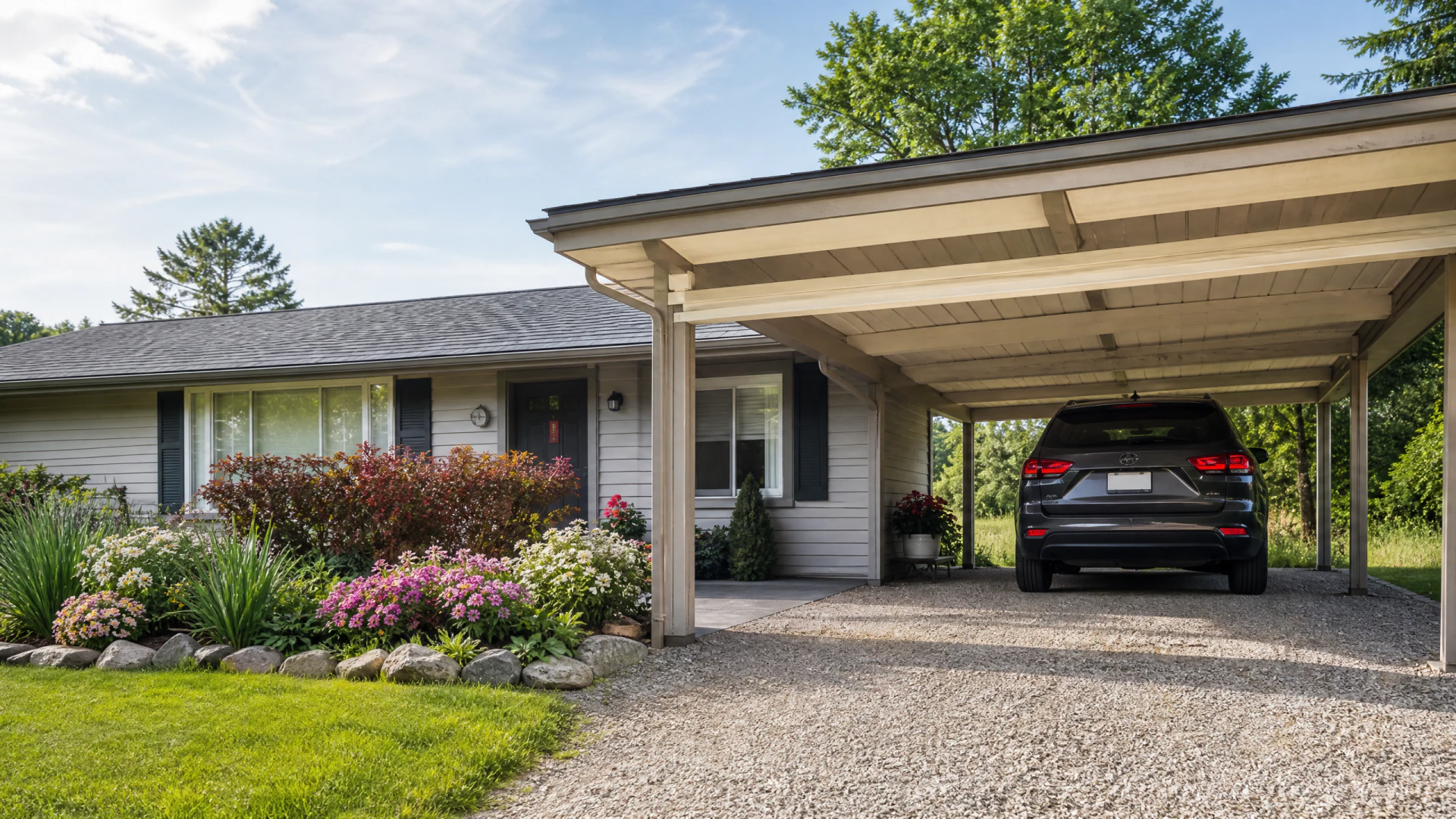
Does Car Color Affect Insurance
No, car color never changes what you pay for insurance, no matter what model or year the car is.
Insurers price risk, and color isn't a risk factor
Insurance companies set rates based on what predicts claims, and color has never been shown to predict anything. What they do look at is the car's make, model, trim and age, because those determine how expensive it is to repair or replace and how often that model gets stolen or gets into accidents. A sedan and a sports car in the same color can have very different premiums because of what's under the hood, not what's on the surface.
The other major factors are about the driver, not the vehicle. Where the car is garaged, how it's used, the driving record of whoever is listed on the policy, and how the policy itself is structured all matter far more. For your parent's situation, this means the questions worth asking are about their driving history and how the policy is set up, not the car they picked.
Part of why the color myth persists is that certain colors get associated with certain types of cars, like red being common on sports models. People then connect the color to the higher price, when it's really the performance of the car driving the cost. If you ever see a quote change when a color is mentioned, it's a coincidence of timing, not a real rate factor.
This holds true across insurers and across states, so you don't need to check anything state specific here. It's one of the few parts of auto insurance that works the same way everywhere, which makes it one less thing to worry about while you're managing everything else with your parent's coverage.

What actually moves the price on your parent's policy
- Vehicle make and model The specific car determines repair costs and theft rates, which is what insurers price around. Check the insurer's rating for that exact model if you want to understand the premium.
- Driving record on file Any past accidents or violations tied to your parent are the biggest factor in the rate. Pull a copy of their driving record so you know what the insurer already sees.
- Where the car is kept The zip code where the car is parked overnight affects the rate due to local accident and theft patterns. Confirm the address on file is current if your parent has moved.
- How the policy is titled Whether your parent is the sole policyholder or added to another policy changes who's liable and who controls decisions. Decide this based on who owns the car, not convenience.
- Mileage and usage patterns Less driving can lower the premium in many cases, so reduced usage might work in your parent's favor. Ask the insurer if usage based adjustments are available.

Should you ask the insurer about updating the policy details
If you do
You confirm the rate reflects your parent's actual driving habits and current address, catching any mismatch that's quietly inflating the premium. You also get a clear answer on how the policy is structured, who's liable, and what options exist if your parent's driving changes. This gives you real information instead of assumptions.
If you don't
The policy keeps running on old information, possibly charging for mileage or a location that's no longer accurate. You stay unsure about liability and structure, which makes it harder to plan for what happens if your parent needs to stop driving. Small outdated details can quietly cost money over time.
Now that color's ruled out, compare quotes based on the car, the driving record and the policy structure.
When a new car raised questions about the premium
A reader's father traded in his older sedan for a newer model in a bright color, and the reader assumed the brighter paint might be why the quote came back higher than expected. Before accepting that explanation, they called the insurer and asked specifically what drove the number. The agent walked through it and showed that the new model had a higher repair cost and a different safety rating than the old car, which fully explained the difference. Color was never part of the calculation.
Knowing this, the reader stopped worrying about the paint choice and instead focused on whether the policy itself made sense. They checked whether their father's mileage had dropped since retirement and found he was driving far less than the policy assumed, so they asked the insurer to adjust for that. The updated mileage brought the premium down enough to offset the cost difference from the new car. The color was never the issue, but asking the right question about usage was what actually saved money.

Does adding my parent to my insurance policy affect my own rate?
Yes, adding your parent can raise your premium, especially if they have a driving record with past incidents or are in an older age bracket some insurers rate differently. It can also lower costs in some cases if their record is clean and the insurer offers a multi car or multi driver discount. Ask the insurer to run both scenarios, your parent on their own policy and added to yours, so you can compare actual numbers before deciding.
What happens to the insurance if my parent stops driving but keeps the car?
You can usually switch the policy to a lower coverage level meant for a parked or rarely driven vehicle, which reduces the cost significantly. You'll still want to keep liability and comprehensive coverage if the car could be driven occasionally or if it's at risk of theft or damage while parked. Check with the insurer about what's required to maintain registration in your state, since letting coverage lapse can cause issues even if the car never leaves the driveway.
Am I liable if my parent causes an accident in their own car?
Generally no, liability follows the policy and the driver, not family relationships, so your parent's own policy would respond first. You could face liability only if you're a named driver on that policy, if you co-own the vehicle, or in certain cases where you knowingly let them drive while unsafe to do so. Check your parent's policy for how it defines covered drivers, and ask the insurer directly if your specific involvement in their life changes anything.