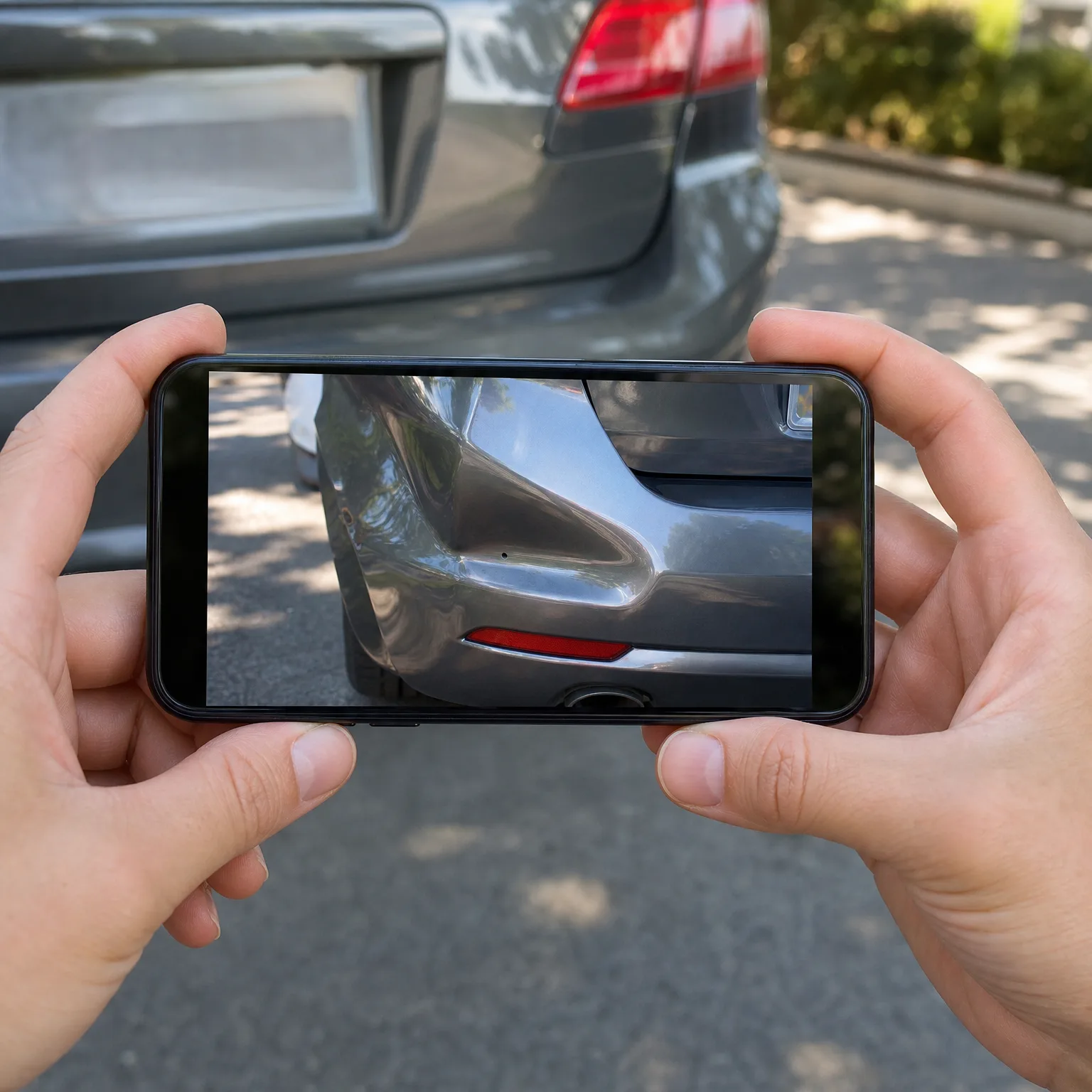
Does Liability Insurance Cover Injured Passengers
Yes, your parent's liability coverage pays for passenger injuries, up to the policy's limits, whether the passenger is a stranger or family.
Liability coverage protects people in the car too
Liability insurance exists to pay for harm the policyholder causes to other people. Passengers count as other people, even if they're related to the driver, even if they didn't pay a cent toward the policy. If your parent is at fault in a crash, the bodily injury portion of their liability coverage pays the medical bills, lost income and related costs for anyone hurt in the car, passengers included.
This is true in every state, because every state that requires liability insurance requires it partly for this reason, to make sure injured people get paid regardless of whether they were driving, riding, or walking nearby. What changes by state and by policy is the limit, the maximum amount available per person and per accident. If your parent carries a low limit and the injuries are serious, the payout can run out before the bills do.
There's a wrinkle worth knowing. If the passenger lives in the same household as your parent, some insurers exclude them from the liability portion and route the claim through other coverage instead, often medical payments or personal injury protection, depending on the state. This matters most if your parent's household includes a spouse or another relative who rides with them often. Check your parent's policy declarations page or call the insurer to see how resident relatives are treated.
Finally, liability only pays out if your parent was at fault. If another driver caused the crash, your parent's passengers would claim against that driver's liability coverage instead, and your parent's own policy becomes a backup if that other coverage isn't enough.

What determines whether a passenger gets paid in full
- The per-person limit Each injured passenger has a maximum amount available to them under your parent's policy. Check the declarations page for the per-person number and compare it to what serious injuries typically cost.
- The per-accident limit If more than one passenger is hurt, they all draw from a single total for that accident. A low per-accident limit can mean less for each person if several people are injured at once.
- Whether your parent caused it Liability only pays when your parent caused the crash. If someone else caused it, passengers claim against that driver's insurance first.
- Resident relative rules Some insurers exclude passengers who live with your parent from liability claims. Ask the insurer directly how they handle injuries to someone in the household.
- Underinsured motorist coverage This add-on protects your parent's passengers if the at-fault driver has too little insurance or none at all. It's worth confirming your parent has it, since it fills a real gap.

Once you know how your parent's liability limits protect passengers, compare quotes to see if those limits hold up.

Whether you check your parent's liability limits now
If you do
You'll know exactly what's available if your parent causes a crash with people in the car, family or otherwise. You can raise limits if they're thin, confirm how resident relatives are treated, and add underinsured motorist coverage if it's missing. Nothing left to guess at later.
If you don't
You won't know until a claim happens, and that's the worst time to find out the limit was too low or a relative was excluded. Your parent, or someone they love, could end up responsible for costs the policy should have covered. Checking now costs you a phone call.

A ride to a doctor's appointment that ended in a fender bender
Say your father offers to drive your aunt to a doctor's appointment, the way he's done for years. On the way, he misjudges a stop sign and clips another car. Nobody's hurt badly, but your aunt's wrist is fractured and she needs surgery. Because your father caused the crash, his liability insurance is the first place the claim goes, and because your aunt doesn't live with him, there's no resident relative exclusion to worry about.
You pull up his policy and see the per-person limit comfortably covers the surgery and the follow-up care. The claim moves through without a fight, and your aunt is paid directly by the insurer, not out of your father's pocket. The experience pushes you to check the numbers more closely afterward. You notice the per-accident limit is lower than you'd like given how often he drives people around, so you raise it. It's a small change, but it means the next time something like this happens, whether it's your aunt, a neighbor, or you yourself in the passenger seat, the coverage stretches further and nobody's left waiting on a shortfall.
Does my own health insurance pay if I'm hurt as a passenger in my parent's car?
Possibly, but it usually isn't the first payer. Your parent's liability coverage, or a medical payments and personal injury protection add-on, generally pays first. Your health insurance may step in for costs those don't cover, or if there's a dispute over fault. Check your own policy's coordination of benefits rules, since they vary.
What happens if my parent's liability limit isn't enough to cover a passenger's injuries?
The injured passenger can pursue your parent personally for the remaining amount, through savings, assets or future income. This is exactly why raising liability limits matters when your parent regularly drives others. If your parent has an umbrella policy, it can extend protection beyond the auto policy's limit, so check whether one exists or is worth adding.
Should I add my parent to my own insurance policy instead of them having their own?
It depends on where they live and whether they own the car. If your parent owns and garages their own vehicle, most insurers require their own policy, though you can often still be listed as a driver. If they've moved in and drive your car regularly, adding them to your policy may be required and often makes sense. Ask an agent how your state defines a household for insurance purposes.