How Can Retirees Lower Their Auto Insurance Costs
Retirees lower costs mainly by adjusting coverage and usage to match how much and how often they actually drive now.
The cost drops because the risk picture actually changes
Insurance prices are built around risk, and risk is built around exposure. When someone stops commuting, drives fewer miles, and spends more time near home, the actual chance of a claim goes down. Insurers price for that, but only if you tell them. A policy written for a daily commuter stays priced like one until you update it.
This is why the biggest savings usually come from reporting changed mileage, asking about reduced usage categories, and reviewing whether coverage levels still match the car's value. An older car sitting in a garage most of the week doesn't need the same protection as it did when it was driven hard every day. Insurers in most states offer adjustments for this, though the exact name of the discount and how it's calculated depends on the company and sometimes the state, so you'll want to ask directly what applies.
Age itself can work for or against you depending on the insurer. Some reward decades of experience and clean records. Others raise prices past a certain age because claims data shows risk increasing again later in life. Neither pattern is universal, so the only way to know where a specific retiree stands is to get quotes and compare, not assume.
Where it works out differently is when health or vision changes start affecting driving safely. In those cases, the cheapest policy isn't the goal. The goal becomes making sure coverage still fits actual risk, because underinsuring a driver who needs more protection, not less, can cost far more later than any discount saves now.

A retiree who stopped commuting but kept the old policy
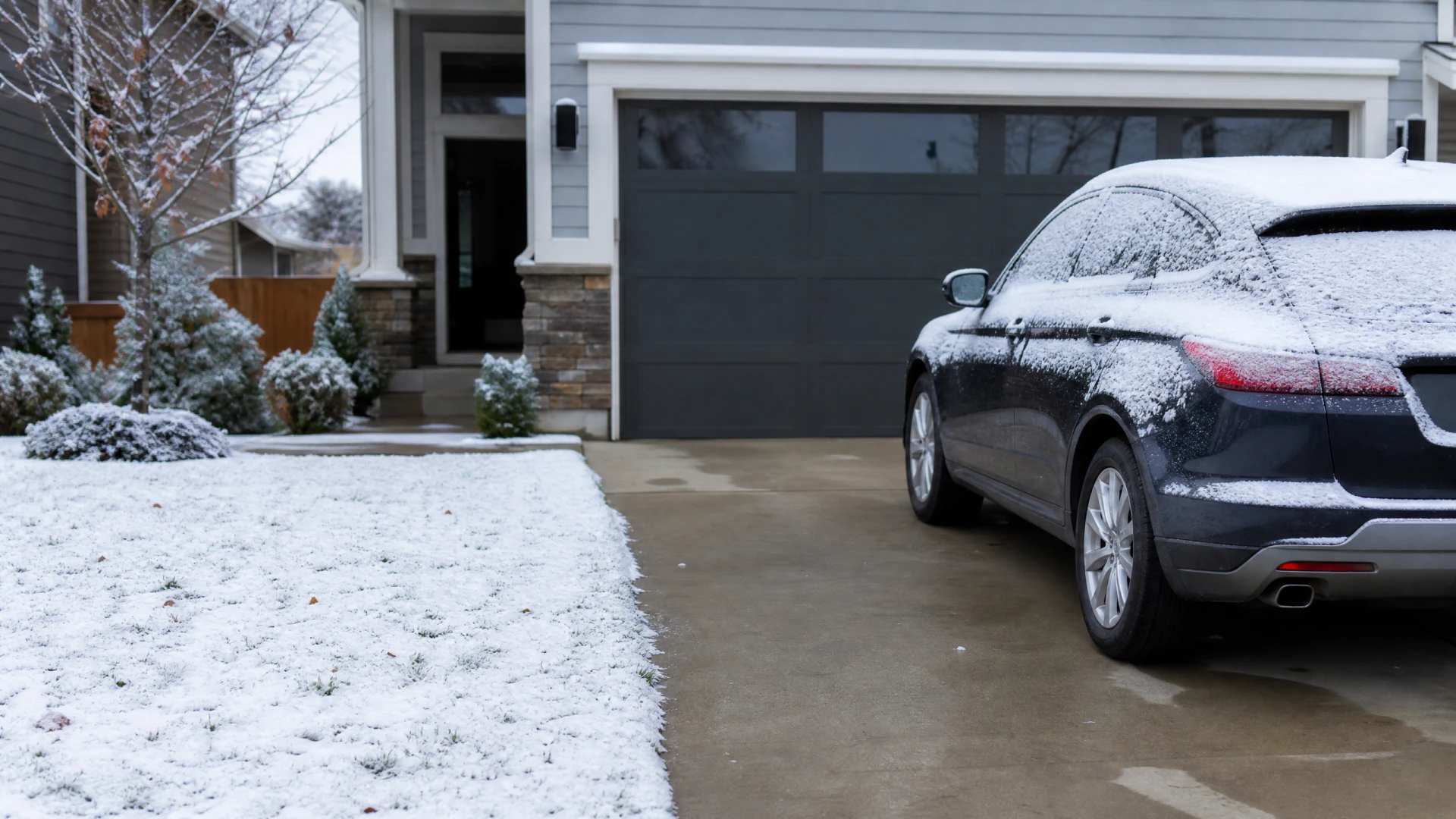
A retiree had driven the same car to the same office for years. The policy was still priced around that daily commute, five days a week, rush hour traffic included. After retiring, the car sat in the driveway most days, used only for errands and the occasional weekend trip.
Nothing about the policy changed until the retiree called the insurer directly and asked what the new driving pattern meant for pricing. The insurer reclassified the car as low mileage, adjusted the usage category, and reviewed whether full coverage still matched the car's current value. The monthly cost dropped, not because the retiree did anything risky or risky-adjacent, but because the policy finally matched reality instead of an old routine that no longer existed.

Whether you update your policy to reflect retirement
If you do
Your insurer reprices your coverage around your real mileage and driving pattern. You may qualify for lower rates, reduced usage categories, or adjusted coverage levels. You also get a clear record of your actual driving habits, which helps if your situation changes again later and needs another review.
If you don't
You keep paying rates based on an old commute or routine that no longer applies to you. The insurer has no way to know your situation changed unless you tell them. You may be fully covered, but you're very likely overpaying for driving you no longer do.
Compare quotes now that you know which changes actually lower a retiree's rate.

Does my insurance go up automatically once I turn a certain age?
Not automatically, but some insurers do adjust pricing around certain age ranges based on their own claims data. This varies company to company and isn't universal. What matters most is your individual driving record and mileage, not age alone. Check with your specific insurer about how they handle age-based pricing, and compare that against other insurers, since policies and rules differ enough that switching can sometimes offset an age-related increase entirely.
Should I drop coverage on an old car I barely drive anymore?
Not necessarily, and it depends on the car's value and your financial situation. Dropping comprehensive or collision coverage lowers your premium, but it also means you'd pay out of pocket for damage or theft. Check your car's current value against what you'd pay to replace or repair it. If the car is worth very little, reducing coverage may make sense. If it still has real value, keep protection that matches that.
Can I stay on a joint policy with my spouse if one of us drives less?
Yes, and most insurers allow mixed usage on one policy, with each driver rated separately based on their own habits. This means one spouse's reduced driving can lower that portion of the cost without affecting the other's coverage. Check with your insurer about how they split pricing between drivers on the same policy, since the method varies and affects how much the lower mileage driver actually saves.

Your old policy was priced for your old life, not the one you're living now.