How Do Seniors Who Cannot Drive Get Around
Seniors who cannot drive still need a plan for their car and policy, not just a ride.
The car and the coverage are two separate decisions
A parent who stops driving doesn't automatically stop needing insurance decisions made about them. If the car stays in the household, it still needs to be insured, registered and maintained, even if nobody drives it daily. Insurers treat an unused car differently than an actively driven one, and that difference can lower cost, but only if you tell them the car's status changed.
Transportation itself, rides from family, a senior transport service, public transit, is separate from the insurance question. None of those options require changes to a policy unless your parent is being driven in a car that's titled and insured in their name. If someone else drives that car regularly, like you or another family member, the policy needs to reflect who actually drives it.
What varies is how insurers classify a car that's rarely or never driven. Some offer reduced rates for low mileage or storage status, others require the car stay insured at a normal rate regardless of use, and some states have rules about suspending coverage versus canceling it outright. Check with the insurer directly about what changes are allowed and what documentation they want, like a mileage log or a note that the license was surrendered.
If your parent gives up driving entirely and the car is sold or stops being used at all, the policy can usually be canceled, but timing matters. Canceling too early, before the car is actually gone, can leave a lapse that affects future rates if your parent or anyone else in the household drives again later.

The short version
If your parent stops driving, the car and the insurance are two separate things to handle, not one. Keep the car insured if it's still around, even unused, and tell the insurer the car's status changed since that can lower cost. Getting around itself, rides, transit, services, doesn't touch the policy unless someone else starts driving that car regularly.
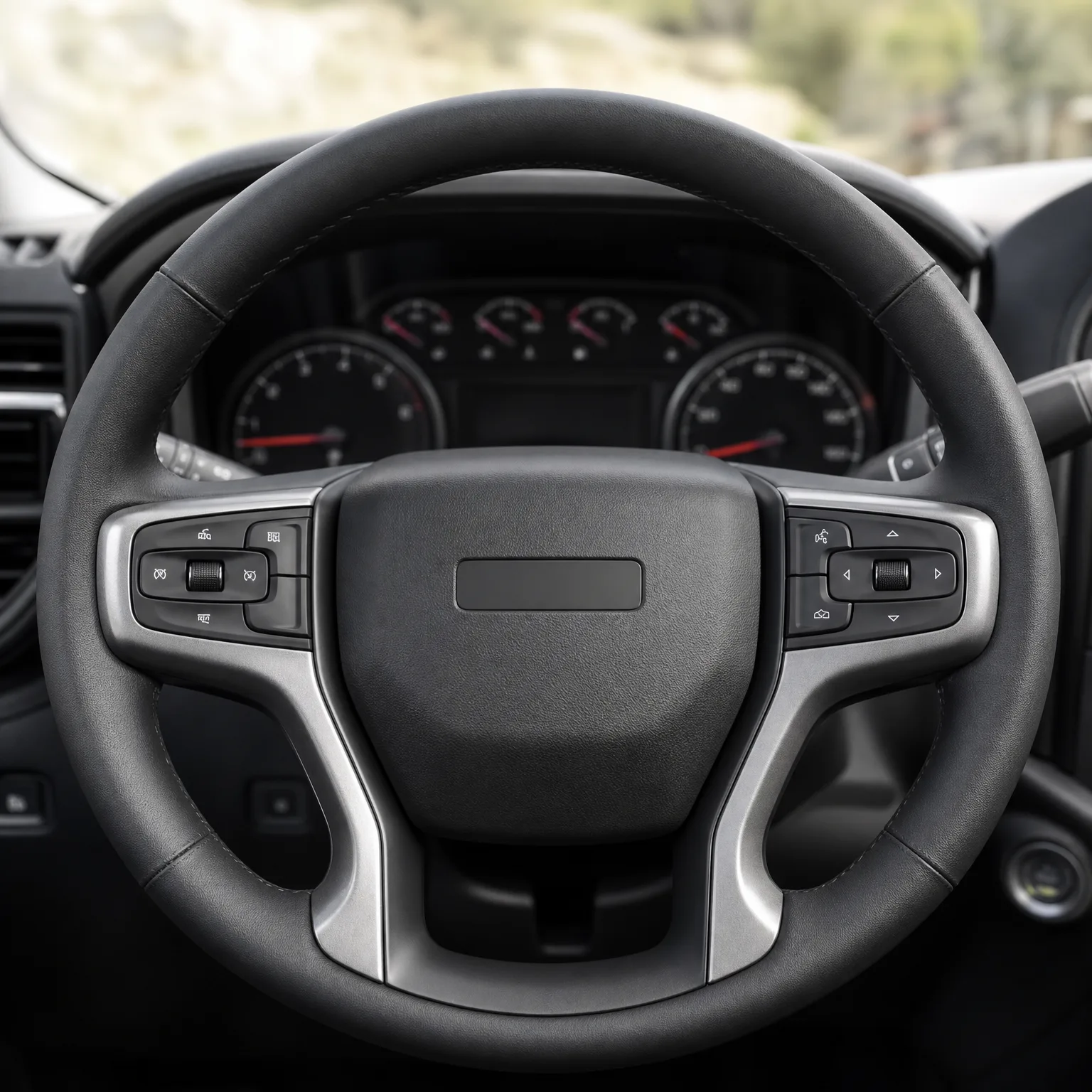
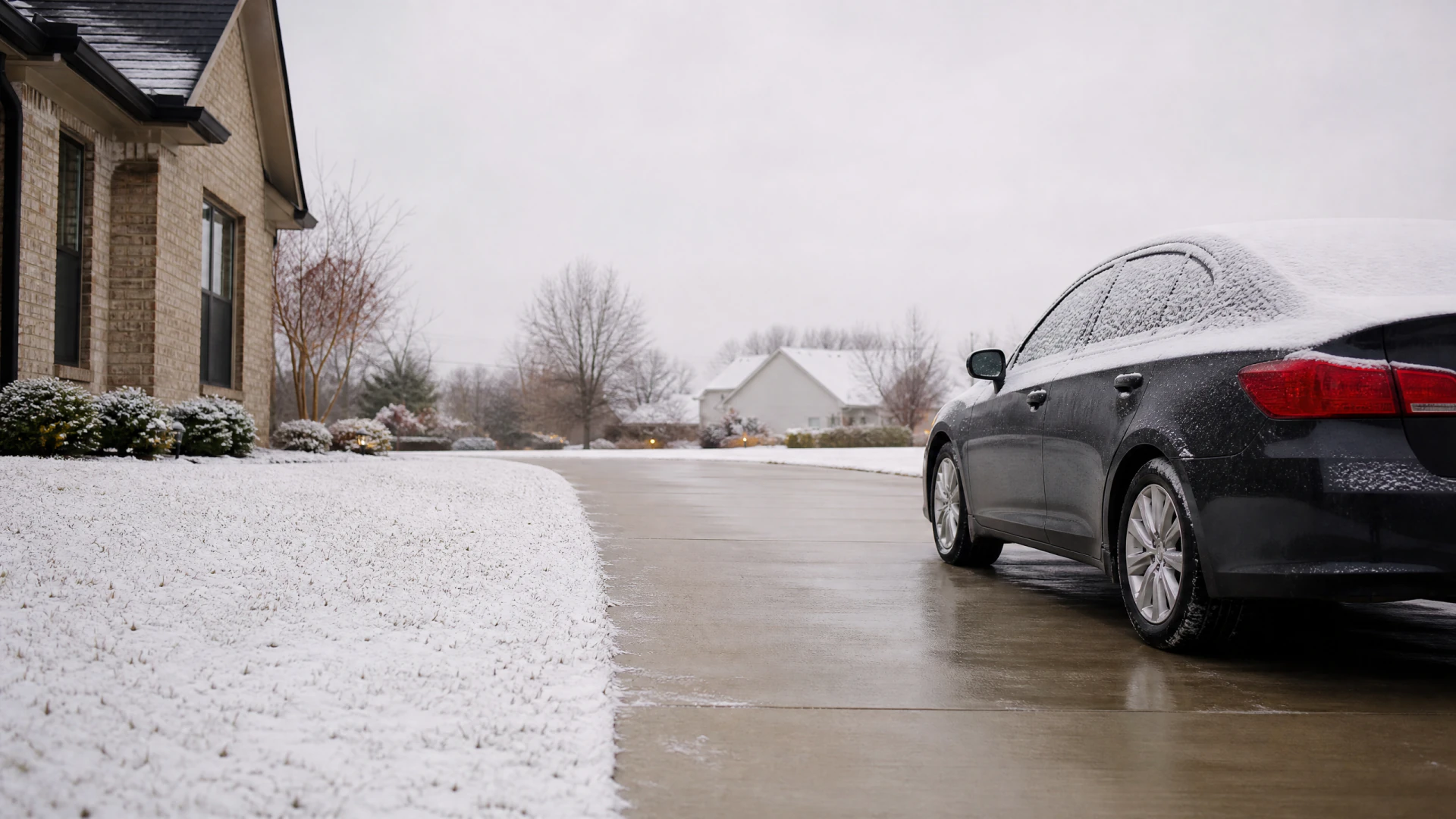
When a parent's license lapses but the car stays in the driveway
A reader's father stopped driving after a vision issue but didn't want to sell his car right away. He still rode along with his daughter for errands and sometimes a neighbor drove him to appointments, so the car sat mostly unused. She wasn't sure if keeping the insurance active made sense or if it was wasted money.
She called the insurer and explained he'd stopped driving but the car was still on the property. They adjusted the policy to reflect a non-driver on the car, which lowered the cost since he wasn't logging regular mileage anymore. A few months later, when he decided to sell the car, she called again to cancel the policy entirely, timed to the day the sale went through, so there was no gap and no unnecessary coverage either.
Once you know how your parent's car and coverage should change, compare quotes to see what fits their new situation.
What to handle once driving stops
- Keep an unused car insured An unused car in the driveway still needs coverage for theft, weather or liability if someone else drives it. Call the insurer to ask about reduced rates for low or no mileage.
- Report the change in status Insurers often have a lower rate category for non-drivers or rarely driven cars. Don't assume the policy updates itself, you have to report the change.
- Keep rides off the policy Family rides, transit, or senior transport services don't involve your parent's auto policy at all. Only update the policy if someone drives their specific car regularly.
- Time cancellation to the sale If the car is sold or permanently retired, cancel the policy the same day to avoid a gap or overlap. A lapse can affect rates later if anyone in the household drives again.
- Ask about pausing coverage Some states allow a policy to be paused rather than canceled, others don't. Ask the insurer directly what's allowed before assuming either option is available.
The car needs a decision and the rides need a separate one, don't let one wait on the other.