How Does Age Affect an Older Persons Driving Ability
Age alone doesn't make someone a worse driver, but the changes that often come with it, vision, reflexes and attention, can.
What actually changes as drivers get older
- Vision shifts first Night glare, depth perception and peripheral vision tend to decline before anything else. An eye exam every year or two tells you more than guessing from the outside.
- Reaction time slows gradually Processing speed can drop, which matters most in sudden situations like a car stopping short. Watch for closer calls or delayed braking rather than one bad moment.
- Medications play a bigger role Many common prescriptions for older adults cause drowsiness or slower reflexes, sometimes without either of you noticing. A pharmacist can review the full list for driving-related side effects.
- Stiffness limits movement Reduced neck and shoulder mobility can make checking blind spots or turning the wheel quickly harder. Ask directly whether turning to look while backing up or merging feels harder than it used to.
- Decline is uneven, not steady Some people drive safely well into their eighties and nineties, others show real changes much earlier. Judge the specific person in front of you, not an average.
Noticing something small before it became something big
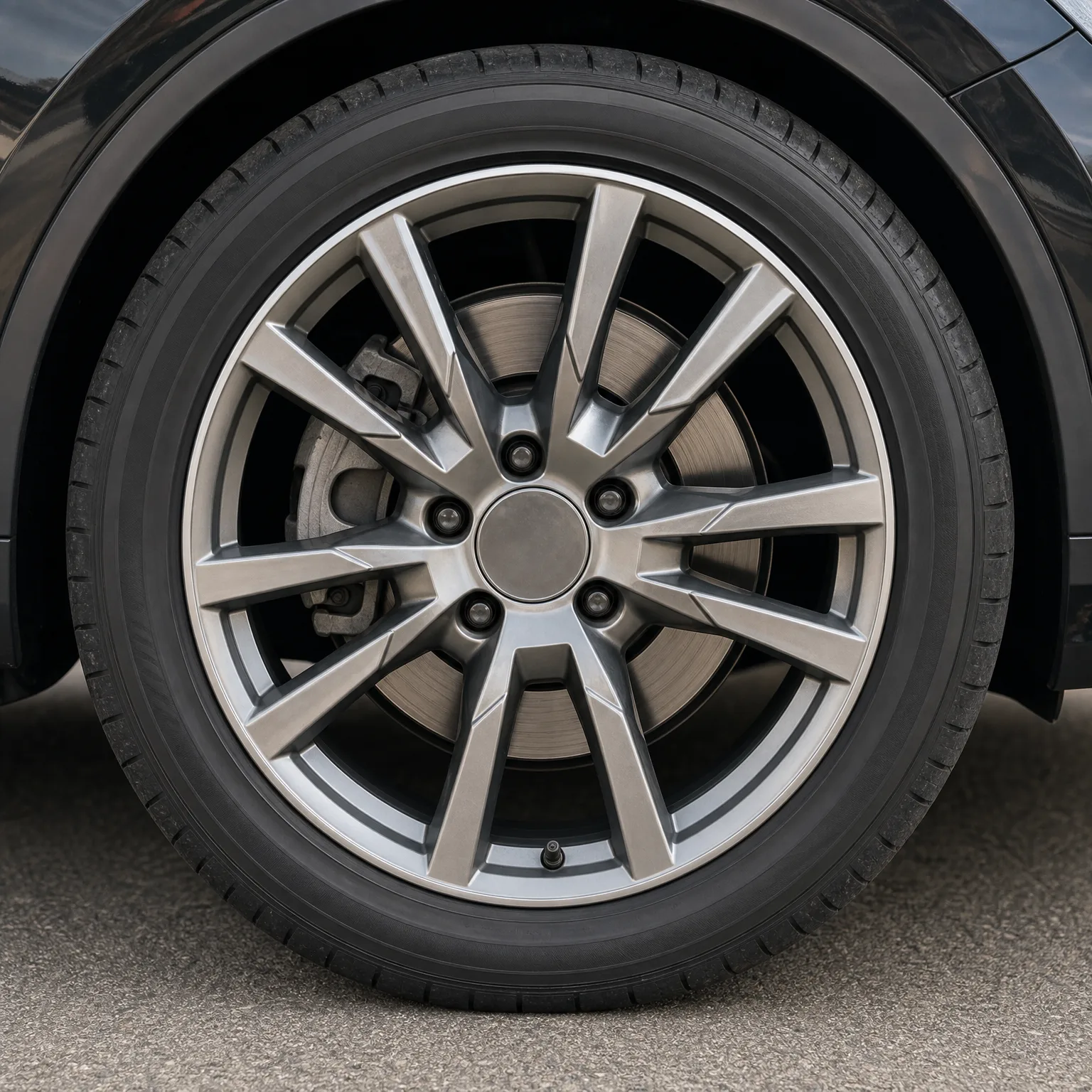
A woman in her early eighties still drove herself to church and the grocery store every week, and her son, now handling her bills, hadn't thought much about it. Then he noticed a new dent on her bumper she hadn't mentioned, and a parking ticket for an expired meter she said she never saw. Neither was dramatic on its own, but together they were enough to pay attention.
He didn't take her keys or have a big confrontation. He rode along with her on a normal errand, said little, and just watched how she handled turns, lane changes and the dash lights at the intersection near her house. She was slower to react than he remembered, but not unsafe. He suggested an eye exam, which found a vision change glasses could mostly correct, and he asked her doctor to review her medications at the next visit. She kept driving, with a plan to check in again in six months instead of waiting for something worse to force the conversation.

The question isn't how old your parent is, it's whether their actual driving has changed.
Once you know what to watch for, compare quotes that reflect your parent's real situation, not just their age.
Why age is a weak predictor on its own
Insurers and researchers both know that chronological age correlates with certain risks, but it's a blunt measure. Two people born the same year can have completely different vision, reaction time and health, so age works better as a prompt to look closer than as an answer by itself.
What actually predicts risk is function, not years. Vision, cognitive processing speed, physical mobility and medication effects all vary enormously from person to person, and they can change gradually or suddenly depending on health events like a stroke or a new diagnosis. This is why a single evaluation at one birthday makes less sense than watching for real changes over time.
This plays out differently depending on the person. Someone who's stayed active, kept up regular medical care and hasn't had major health changes may drive just as well at eighty as they did at sixty. Someone managing several chronic conditions or new medications might show real changes much younger. The honest answer is that age sets the stage, but it's the individual's health and habits that determine what actually happens behind the wheel.
Where this gets complicated is when family perception and reality don't match. Adult children sometimes worry more than the situation warrants because they're picturing worst cases, and sometimes they miss real decline because they only see their parent occasionally. Neither extreme helps. The way through is specific observation over time, ideally paired with regular checkups, rather than a single judgment made from age alone.

What are the warning signs that an elderly parent should stop driving?
Look for new dents or scrapes, missed stop signs, confusion on familiar routes, or trouble with highway merging. One incident isn't conclusive, but a pattern over a few months is worth acting on. Ask a doctor or occupational therapist for an objective driving assessment if you're unsure, since that removes the guesswork from a hard family conversation.
How do I bring up driving concerns with an aging parent without upsetting them?
Start with specific observations, not generalizations, and frame it as safety for everyone, not a judgment about them. Pick a calm moment, not right after an incident, and ask what they've noticed themselves first. Many older adults already sense changes and are relieved to talk about it rather than defend against an accusation.
Does a parent's age affect their car insurance rate?
Rates are usually based on driving record, vehicle type and location more than age alone, though some insurers do factor in age ranges differently. This varies by insurer and by state, so ask directly how age is weighted when you compare policies. A clean record and defensive driving course can often offset any age-related rate changes.