How Does PIP Pay Out
PIP pays your parent's medical bills and lost income after an accident, regardless of who caused it, up to the policy's limit.
How PIP Payouts Actually Work
- No fault needed PIP pays out whether your parent caused the accident or not. You don't have to prove anything or fight an insurer over blame before bills get covered.
- Medical bills first Hospital visits, doctor follow-ups and rehab get paid directly as they come in. Keep every bill and receipt so nothing gets missed or delayed.
- Lost income next If your parent was still working or ran a business, PIP can replace some of that income while they recover. If they're retired, this part may not apply.
- Other costs sometimes covered Some policies help pay for household tasks your parent can't do while hurt, like hiring someone to cook or clean. Check the policy wording, this varies by state and insurer.
- A set limit, not unlimited PIP pays up to the limit on the policy, then stops. Once you're close to that limit, you need to know what coverage picks up next.
What happens when PIP runs out before your parent is fully recovered?
Once PIP reaches its limit, it stops paying, regardless of whether your parent still needs care. What picks up after that depends on what else is in place. Health insurance often becomes the next payer for ongoing medical treatment. If another driver was at fault, their liability coverage may cover remaining costs, though that usually means a claim or negotiation rather than an automatic payment.
This is the moment worth watching for closely. Call the insurer before the limit is reached, not after, so you know exactly where the gap starts and what your parent will be responsible for in the meantime. Ask specifically what counts toward the limit, since some policies bundle medical and income replacement together under one number.
PIP isn't about fault, it's about speed, so stop waiting to find out who caused the accident.
Now that you know how PIP pays out, compare quotes to make sure your parent's limit actually fits their situation.
When a fender bender turned into months of appointments
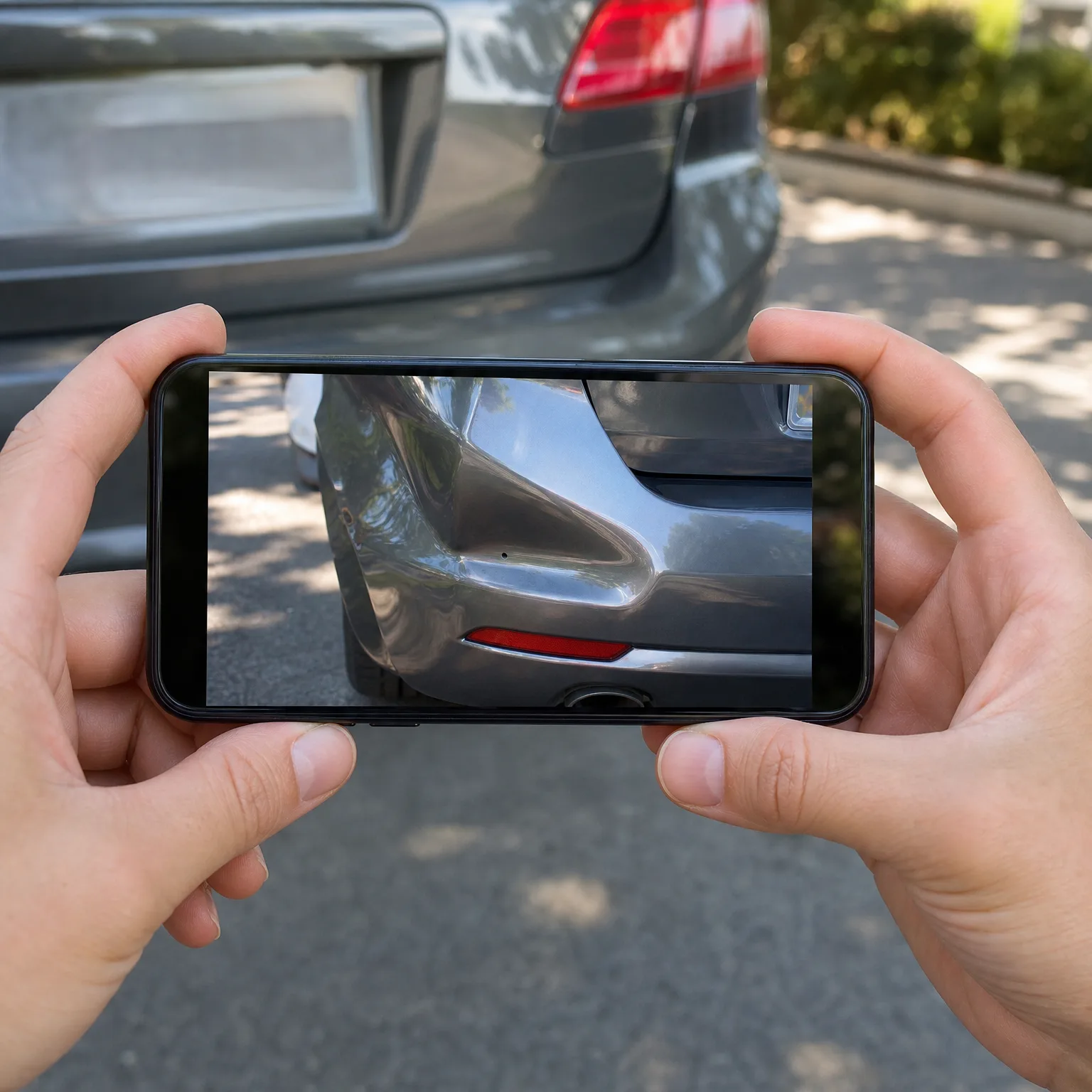
Your parent is rear-ended at a stop sign. No one is seriously hurt that day, but within a week they're seeing a doctor for neck pain and missing time they'd normally spend managing their own finances and errands. You're the one fielding the paperwork now, and the first question is simple. Who pays for this while everyone sorts out who was at fault.
PIP answers that question immediately. The claim goes in, and the medical visits start getting paid without anyone needing to establish blame. You keep a folder of every bill and appointment, because that record matters later if costs approach the policy limit. A few months in, the visits taper off and the claim closes well under the limit. Nothing dramatic happens, which is exactly the point. The coverage did its job quietly, covering what it needed to without a fight over fault slowing down your parent's care.
Why PIP Pays Before Anyone Argues About Fault
PIP exists to get money moving fast after an accident, before insurers spend time figuring out who's responsible. That's the whole design. Liability claims can take a long time to resolve because someone has to be found at fault first. PIP skips that step entirely, which is why it's sometimes called no-fault coverage. For an older adult recovering from an accident, that speed matters more than almost anything else, since care that starts promptly tends to go better than care that waits on paperwork.
Underneath that speed is a simple tradeoff. Because PIP pays without assigning blame, it also pays only up to a set limit, and it generally only covers certain categories, medical costs and lost income being the main ones. It's not meant to cover everything forever. It's meant to bridge the early period when bills are arriving and no one yet knows how the full claim will settle.
Where this varies is in the details. Some states require PIP on every policy, others leave it optional, and the exact limit and what counts toward it differs by insurer and by state rules. Whether household help or caregiving costs are included is one of those details worth checking directly rather than assuming.
The cases where it works out differently usually involve a clearly at-fault other driver with sufficient liability coverage. In that situation, PIP can cover the gap in the days immediately following the accident while the liability claim gets sorted out, and then the larger costs may eventually get picked up elsewhere. Knowing this ahead of time means you're not surprised when the two kinds of coverage hand off from one to the other.