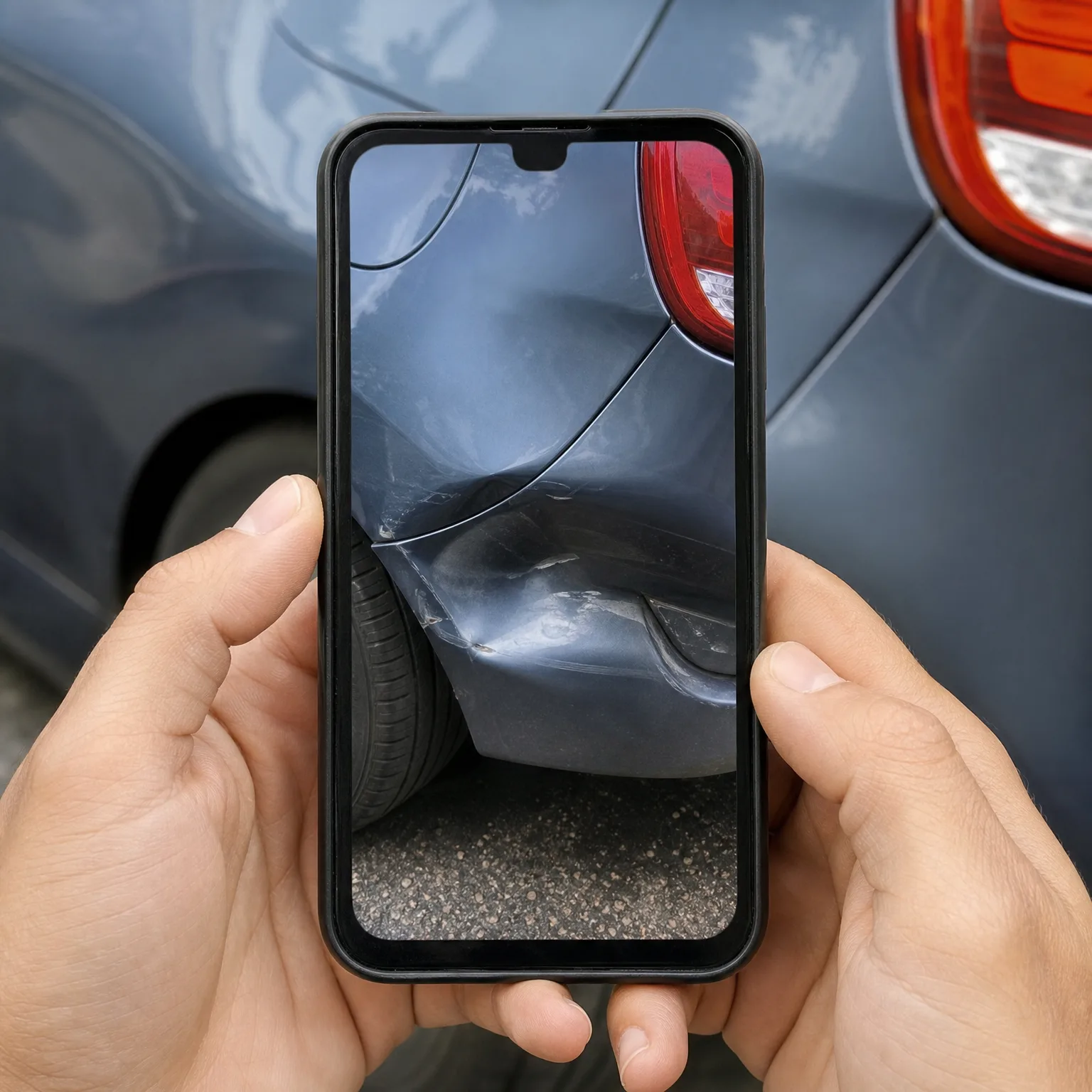
How to Get Out of Paying a Deductible on Car Insurance
You can't simply opt out of a deductible, but you can avoid paying it in a few specific situations.
Why deductibles exist and when they disappear
A deductible is the amount you agreed to cover yourself before your insurer pays out on a claim involving your own policy. It exists so you share some of the risk with the insurer, which is part of why your premium isn't higher. You can't just decide not to pay it on your own claim because it's written into the contract you agreed to when you bought the policy.
The deductible only applies to claims under your own coverage, usually collision or comprehensive. If another driver is found at fault for an accident, their liability insurance pays for your damage, and your deductible never comes into play because you're not filing against your own policy at all. This is the most common way people end up paying nothing out of pocket.
Some insurers offer deductible waiver options, often tied to specific situations like being hit by an uninsured driver or having glass damage, and some let you earn a reduced or vanishing deductible over time for staying claim-free. Whether these exist, and how they work, depends entirely on your insurer and sometimes your state, so you'd need to check your specific policy documents or ask your agent directly.
If fault is unclear or shared, your insurer may still pay your claim through your own collision coverage while it sorts out fault with the other insurer. In that case you pay your deductible upfront, and if your insurer successfully recovers costs from the other driver's insurer later, you may get some or all of your deductible back.
Ways to actually avoid paying it
- Let the other insurer pay If someone else caused the accident, file against their liability coverage instead of your own policy. No deductible applies because you're not using your own coverage.
- Ask about a deductible waiver Some insurers waive it for specific situations like uninsured driver accidents or windshield repairs. Ask your agent whether your policy includes this and what qualifies.
- Look into vanishing deductibles Some insurers reduce your deductible over time if you avoid claims and violations. Ask whether this program exists on your policy and what resets it.
- Pursue subrogation recovery If your insurer later recovers money from the at-fault driver's insurer, you may get your deductible refunded. Follow up with your claims adjuster to check the status.
- Negotiate fault determination If fault is disputed, provide evidence like photos or witness statements to support your case. Being found not at fault shifts the deductible responsibility away from you.
What if the other driver has no insurance at all?
This is the situation where people most often end up stuck paying a deductible, because there's no other insurer to bill. If you have uninsured motorist coverage, you can file through that, but it may still carry its own deductible, which varies by policy and sometimes by state.
Some insurers waive the deductible specifically for uninsured motorist claims, so it's worth checking your declarations page or asking your agent directly rather than assuming. If you don't have uninsured motorist coverage, your only options are usually filing under your own collision coverage, paying out of pocket, or pursuing the other driver directly, which can be slow and uncertain depending on what they actually own.
Once you understand how your deductible works, compare quotes to see if another policy could lower what you'd owe.

Filing through your own policy versus the other driver's
If you do
If you file under your own collision coverage, you pay your deductible upfront but get your car repaired faster, without waiting on the other insurer's investigation. Your insurer may later recover costs from the at-fault driver and refund part or all of your deductible.
If you don't
If you wait and file only against the other driver's liability insurance, you pay no deductible, but repairs take longer while their insurer investigates and accepts fault. If fault is denied or disputed, you may end up filing your own claim anyway.
Can I get my deductible back after an accident that wasn't my fault?
Yes, often through a process called subrogation, where your insurer recovers costs from the at-fault driver's insurer and refunds your deductible. This isn't guaranteed and depends on fault being clearly established. Check with your claims adjuster for updates, since timing varies and some cases take longer to resolve than others.
Does filing a claim without paying a deductible affect my rates?
It can, because a claim on your record may affect your rates regardless of whether you paid a deductible. What matters more to insurers is who was at fault and how many claims you've filed recently. Ask your insurer how at-fault versus not-at-fault claims are treated differently on your policy.
Is it worth raising my deductible to lower my premium?
It can lower your premium, but it means paying more out of pocket if you file a claim later. Whether it's worth it depends on how much you can comfortably pay upfront versus how much you'd save monthly. Compare the numbers on your specific policy before deciding.